Trendy 2025 Fashion Jewelry Wholesale Global Shipping Ready to Ship: Materials
An expert material comparison for buyers sourcing trendy fashion jewelry wholesale, focusing on base metals, plating, and global shipping durability.

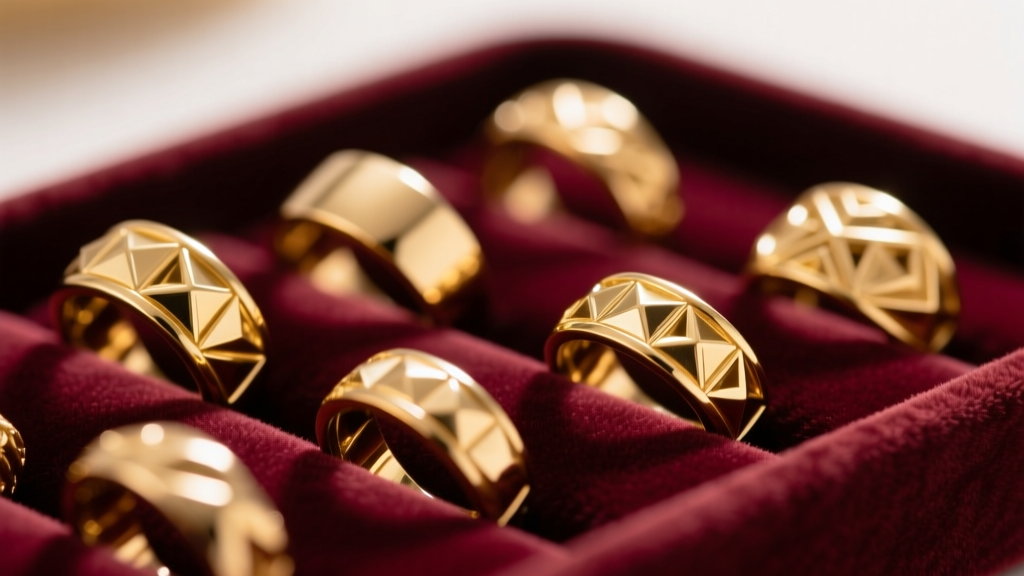
The Material Reality of Ready-to-Ship Wholesale
As we navigate the 2026 retail landscape, the secondary market and boutique sourcing channels are flooded with overseas inventory. For independent jewelers and e-commerce brand owners, the phrase 'ready to ship' is a double-edged sword. It promises immediate inventory turnover, but it often masks severe compromises in metallurgical integrity. When evaluating trendy 2025 fashion jewelry wholesale global shipping ready to ship catalogs, boutique owners must look past the aesthetic renderings and scrutinize the base alloys and surface treatments. A piece that looks stunning in a factory showroom can arrive at a global destination heavily oxidized or structurally compromised if the material science is ignored. This guide deconstructs the exact material properties, plating thicknesses, and transit vulnerabilities you must audit before signing a wholesale purchase order.
Base Metal Hierarchy: Steel vs. Brass vs. Zinc
The foundation of any fashion or demi-fine piece dictates its weight, skin-safety, and longevity. Wholesale manufacturers typically rely on three primary base metals, each with distinct physical properties and failure modes.
316L Stainless Steel: The PVD Powerhouse
Surgical-grade 316L stainless steel contains molybdenum, which drastically increases its resistance to chloride corrosion compared to standard 304 steel. In the wholesale sector, 316L is almost exclusively paired with PVD (Physical Vapor Deposition) coating. PVD bonds gold or rose gold titanium nitride to the steel at a molecular level in a vacuum chamber. The result is a hypoallergenic, highly durable piece that can withstand 2 to 5 years of daily wear without flaking. However, 316L is dense and rigid, making it unsuitable for intricate, delicate castings like filigree rings or micro-pave settings.
Brass (Cu-Zn Alloy): The Traditional Standard
Brass remains the gold standard for intricate cast fashion jewelry due to its excellent flow characteristics in lost-wax casting. A standard 70/30 copper-to-zinc ratio provides a warm undertone that mimics 14k gold when polished. The critical vulnerability of brass is dezincification—a corrosion process where zinc leaches out when exposed to acidic sweat, leaving a porous, brittle copper matrix. To prevent this, high-tier wholesale brass must feature a thick palladium or copper underplate before any gold flash is applied.
Zamak (Zinc Alloy): The High-Risk Budget Option
Zamak 3 and Zamak 5 are zinc-aluminum alloys used for heavy, chunky statement pieces and belt buckles. While incredibly cheap and capable of capturing sharp mold details, Zamak is highly porous and brittle. It has a high failure rate in global transit; a dropped shipping carton can easily snap a Zamak chain link or earring post. Furthermore, zinc alloys require complex, multi-layer cyanide-based copper strikes to accept gold plating, which many budget factories skip, leading to rapid peeling.
| Base Metal | Density (g/cm³) | Plating Adhesion | Transit Tarnish Risk | EU REACH Compliance |
|---|---|---|---|---|
| 316L Steel | 8.0 | Excellent (PVD) | Very Low | Inherently Compliant |
| Brass (70/30) | 8.4 | Good (w/ underplate) | Moderate to High | Requires Ni-Free Underplate |
| Zamak 3 | 6.7 | Poor (porous surface) | Extreme | High Risk of Cd/Pb Traces |
Plating Thickness and the Micron Deception
Wholesale suppliers frequently use ambiguous terms like 'gold plated' or '18k dipped' without disclosing the actual thickness of the precious metal layer. Understanding micron measurements is non-negotiable for serious buyers.
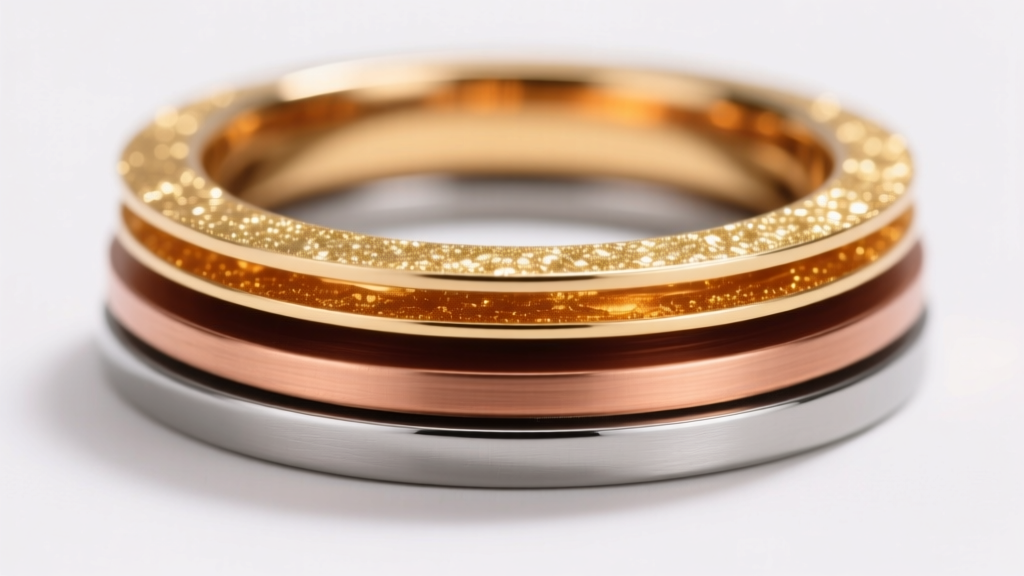
- Flash Plating (0.05 - 0.1 microns): Often found in ultra-cheap, ready-to-ship marketplace inventory. This electroplated layer is mere molecules thick and will wear off within weeks of friction, exposing the base metal and triggering contact dermatitis.
- Standard Fashion Plating (0.3 - 0.5 microns): The industry standard for mid-tier fashion jewelry. It provides a rich color and adequate shelf life, provided the piece is stored correctly and kept away from moisture.
- Heavy Plating / Vermeil (1.0 - 2.5+ microns): Required for demi-fine classifications. According to the JCK Online industry reports, true vermeil must feature at least 2.5 microns of gold over a sterling silver base. Wholesale suppliers often falsely label brass with 1.0-micron plating as vermeil to justify higher MOQs.
For ready-to-ship wholesale inventory that may sit in a warehouse for months before being sold, buyers should mandate an E-coat (electrophoretic coating). This microscopic layer of clear anti-tarnish resin is applied over the gold plating, sealing it from oxygen and sulfur, effectively extending the shelf life of brass and silver pieces by 12 to 18 months.
Global Shipping: The Climate Chamber Effect
The phrase 'global shipping' in wholesale jewelry is not just a logistical term; it is a severe environmental stress test. When jewelry is shipped via sea freight from manufacturing hubs in Asia or Europe to North America, it spends 30 to 45 days inside steel shipping containers.
Container Rain and Oxidation
During oceanic transit, containers experience extreme diurnal temperature fluctuations. At night, the steel walls cool rapidly, causing the high humidity inside the container to condense—a phenomenon known as 'container rain.' If wholesale fashion jewelry is packed in standard cardboard boxes without adequate moisture barriers, the ambient humidity can spike to 95% inside the master carton. For brass and zinc alloys lacking an E-coat or VCI (Volatile Corrosion Inhibitor) packaging, this guarantees the arrival of heavily oxidized, blackened inventory that is unsellable without expensive commercial tumbling and re-polishing.
Expert Sourcing Tip: Always require your wholesale manufacturer to pack individual polybags with 2-gram silica gel desiccant packets and seal the master cartons with VCI-lined polyethylene. This creates a localized inert atmosphere that neutralizes the corrosive effects of container rain during 40-day sea freight transits.
Navigating Compliance and Heavy Metal Toxicity
Sourcing trendy wholesale jewelry globally means navigating a minefield of international chemical regulations. The most critical standard is the EU REACH Annex XVII, which strictly limits the migration of nickel to less than 0.5 µg/cm²/week for items in prolonged contact with the skin. Many overseas manufacturers use nickel as a brightening underplate beneath gold flash because it is cheap and creates a brilliant, mirror-like finish. However, nickel is a potent allergen. If your 'ready to ship' inventory contains nickel underplates, it is illegal to sell in the European Union and the UK, and exposes your brand to severe liability in North America.
Furthermore, cheap zinc alloys (Zamak) sourced from unverified smelters frequently contain trace amounts of cadmium and lead, used to lower the melting point of the alloy during die-casting. Cadmium is highly toxic and strictly capped at 0.01% by weight under REACH. Before finalizing any large-volume wholesale order, demand third-party SGS or Intertek lab test reports specifically verifying nickel migration rates and heavy metal XRF (X-ray fluorescence) screening for the exact batch you are purchasing.
The Buyer's Decision Framework
To successfully source high-quality inventory without falling victim to wholesale material deception, implement this three-point verification framework:
- Demand PVD for Steel: If the catalog lists stainless steel, ensure the spec sheet explicitly states PVD (IP plating), not water-plating. Water-plated steel will rust and flake within weeks.
- Audit the Underplate: For brass and copper alloys, require a written guarantee of a palladium or thick copper barrier layer to prevent nickel exposure and dezincification.
- Verify Transit Packaging: 'Ready to ship' must include anti-tarnish infrastructure. Reject suppliers who ship raw brass or silver in standard corrugated cardboard without VCI bags or desiccants.
By shifting your focus from superficial trend reports to the hard science of metallurgy and supply chain logistics, you can build a resilient, high-margin jewelry business that delivers lasting quality to your customers, regardless of where the inventory originates.


