How to Vet Sustainable Fine Jewelry Brands Before You Buy
Learn how to vet sustainable fine jewelry brands with our step-by-step guide. Decode certifications, trace gold origins, and avoid greenwashing traps.


The Greenwashing Trap in Fine Jewelry
The term 'sustainable' has become the jewelry industry's favorite marketing buzzword, but true environmental and ethical stewardship requires rigorous supply chain transparency. As consumers demand accountability, many brands resort to greenwashing—using vague terms like 'eco-friendly' or 'ethically sourced' without providing verifiable data. When investing thousands of dollars in a fine jewelry piece, you need to look past the marketing copy and audit the brand's actual practices. This step-by-step guide will teach you how to vet sustainable fine jewelry brands, ensuring your purchase aligns with your values without compromising on quality or design.
Step 1: Decode the Precious Metal Certifications
The foundation of any fine jewelry piece is its metal, and gold mining is historically one of the most environmentally destructive industries on earth. Producing a single gold ring can generate up to 20 tons of mine waste. However, not all gold is created equal, and understanding the nuances of metal sourcing is your first line of defense.
Beware of the 'recycled gold' loophole. Because gold is virtually indestructible, nearly all gold in existence has been recycled multiple times. Many brands use 'recycled gold' as a sustainability shield, but unless they can prove a segregated post-consumer supply chain, they are likely participating in a 'mass balance' system. This means they buy standard, potentially dirty gold on the open market and purchase recycled gold credits to offset it, doing nothing to stop active destructive mining.
Instead, look for brands utilizing Fairmined Ecological Gold. This certification guarantees the gold was mined by artisanal communities without the use of toxic mercury or cyanide, and it includes a strict ecological restoration mandate. Be prepared to pay a premium: Fairmined gold typically carries a 10% to 15% markup over spot prices, which translates to roughly $150 to $300 extra on a standard $2,000 engagement ring.
| Certification | What It Actually Means | Greenwashing Risk |
|---|---|---|
| Fairmined Ecological | Mined without mercury/cyanide; supports artisanal miners. | Very Low |
| SCS Recycled Content | Third-party verified post-consumer or industrial scrap. | Low (if segregated) |
| Responsible Jewellery Council (RJC) | Baseline code of practices for human rights and environment. | Medium (Criticized for lax enforcement) |
| Generic 'Recycled Gold' | Unverified; often just standard market gold with credits. | High |
Step 2: Trace the Gemstone Supply Chain
Gemstone tracing is notoriously complex. The Kimberley Process, established in 2003 to prevent 'conflict diamonds' from entering the market, is widely considered outdated by modern human rights standards. It only covers diamonds funding rebel movements, ignoring state-sponsored violence, child labor, and severe environmental degradation in state-run mines.
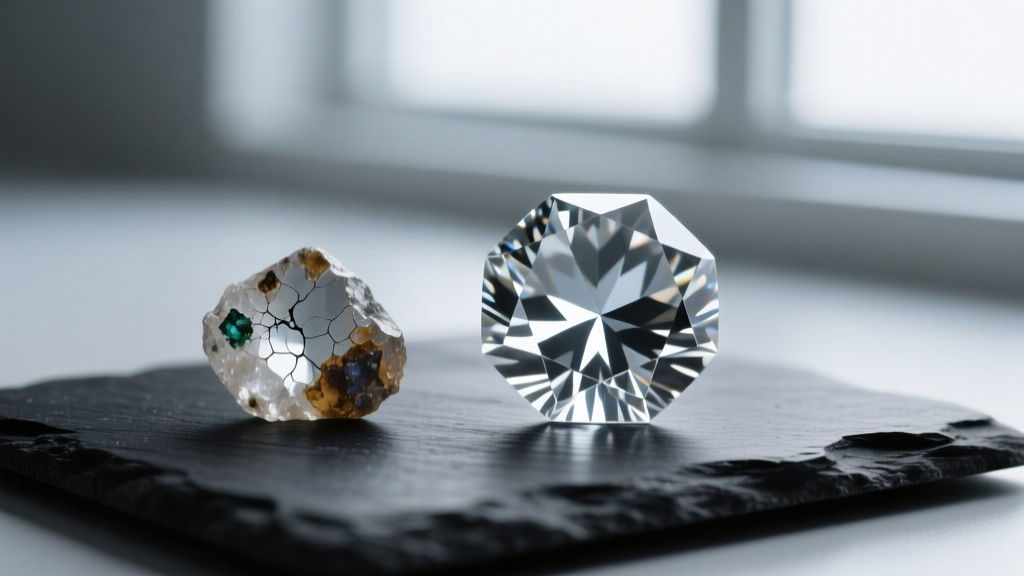
To truly vet a brand's gemstones, look for blockchain-enabled tracing platforms like Everledger or Tracr, which log a stone's journey from the mine to the retail counter. For mined stones, brands should disclose the exact country and, ideally, the specific mine of origin. Canadian-marked diamonds or those from Botswana's regulated mines generally offer higher labor and environmental standards.
The Lab-Grown Diamond Carbon Footprint Reality
Many consumers assume lab-grown diamonds are inherently sustainable. This is a dangerous oversimplification. The energy required to create a diamond via Chemical Vapor Deposition (CVD) or High Pressure High Temperature (HPHT) is immense. If a lab-grown diamond is produced in a facility powered by coal-heavy grids (common in parts of India and China), its carbon footprint can actually exceed that of a responsibly mined diamond. When vetting sustainable fine jewelry brands, demand proof of renewable energy usage in their lab-grown diamond facilities. Look for the SCS-007 Sustainability Rated Diamond Standard, which rigorously audits the carbon footprint, water usage, and labor practices of both mined and lab-grown stones.
Step 3: Audit Manufacturing and Labor Practices
Sustainability does not stop at raw materials; it extends to the workshop. The casting process for fine jewelry traditionally involves burnout ovens that consume significant electricity and release volatile organic compounds (VOCs) from the wax. Progressive brands are now adopting 3D printing with bio-based, non-toxic castable resins, and utilizing induction casting machines that reduce energy consumption by up to 40%.
Furthermore, investigate the labor practices. True sustainability encompasses human welfare. Does the brand manufacture in-house where they can guarantee living wages and safe ventilation for their polishers and casters? Or do they outsource to overseas mass-casting facilities with opaque labor conditions? Brands that are truly proud of their craftsmanship will readily share photos, videos, and detailed stories of their bench jewelers. If a brand's 'About Us' page only shows stock photos of models and lacks any mention of their manufacturing facility, consider it a red flag.
Step 4: Evaluate End-of-Life and Repair Policies
A genuinely sustainable fine jewelry brand operates on circular economy principles. Fast fashion has trained us to view accessories as disposable, but fine jewelry should last generations. Before purchasing, review the brand's repair and end-of-life policies.
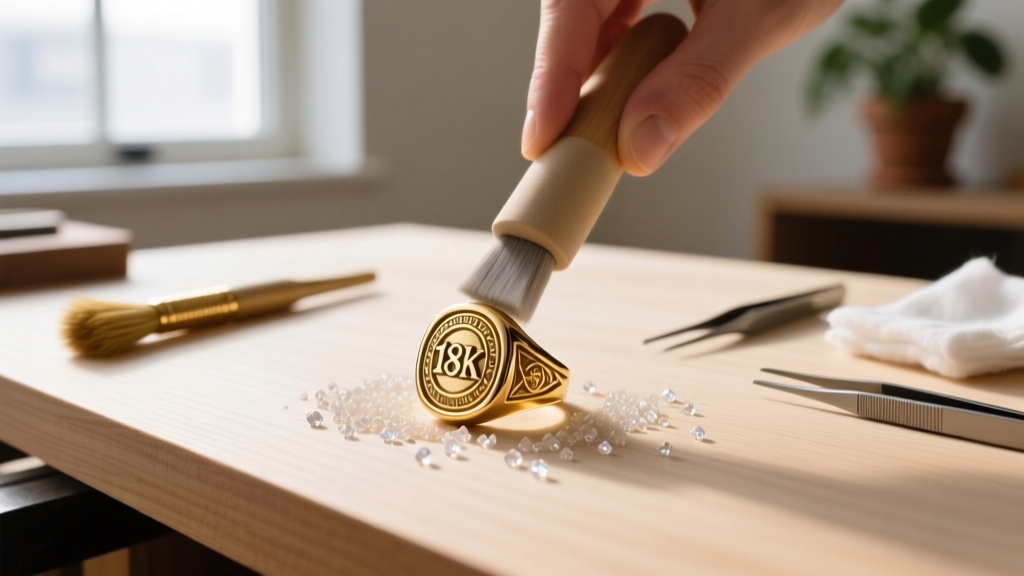
Do they offer complimentary or low-cost prong tightening, rhodium replating, and stone replacement? More importantly, do they have a buy-back or remelting program? Top-tier sustainable brands will offer to buy back your piece at a percentage of the current gold spot value, or allow you to trade it in and melt down the metal for a new custom design. This closed-loop system ensures that the precious metals never end up in a landfill or require new extraction.
Quick-Reference Checklist for Your Next Purchase
Keep this checklist handy the next time you are evaluating a new designer or heritage brand:
- Metal Origin: Is it Fairmined, Fairtrade, or third-party certified segregated recycled gold? (Reject generic 'recycled' claims).
- Stone Tracing: Can they name the country of origin for mined stones, or prove renewable energy use for lab-grown stones?
- Certifications: Do they hold verifiable certifications like SCS-007, B-Corp, or 1% for the Planet?
- Manufacturing: Is the jewelry cast and finished in a regulated facility with transparent labor practices?
- Circularity: Is there a clear, written policy for lifetime repairs and end-of-life metal buy-back?
By applying these rigorous standards, you force the industry to elevate its practices. Voting with your wallet is the most effective way to ensure that the future of fine jewelry is as brilliant and unblemished as the stones it showcases. For more industry insights and brand reviews, consult the Responsible Jewellery Council directories and independent watchdog reports to stay informed on the latest supply chain advancements.


