A Beginner's Guide to Authentic Jet Mourning Jewelry
Discover how to identify, buy, and care for authentic jet mourning jewelry. Learn the differences between Whitby jet, French jet, and glass imitations.

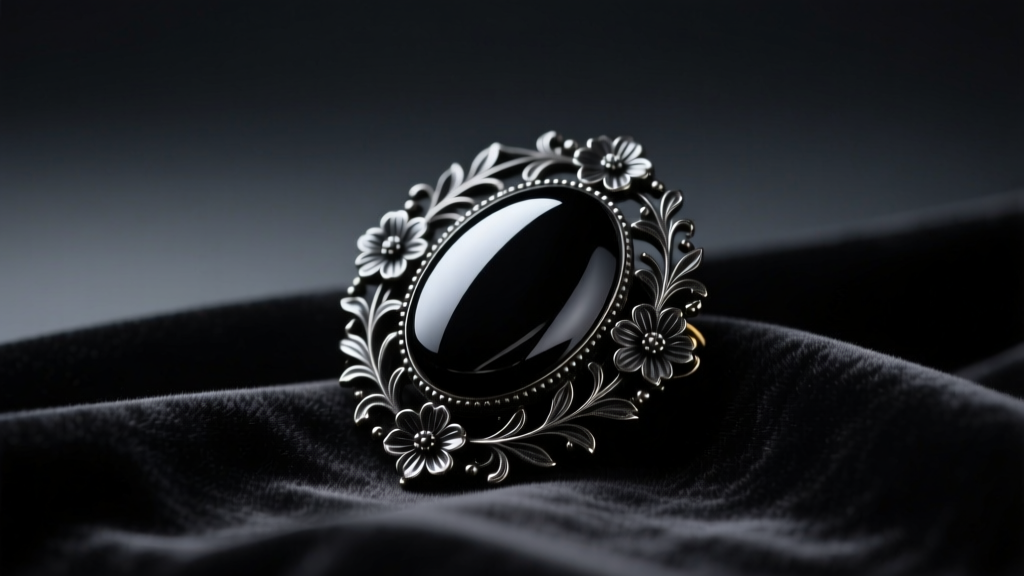
For collectors and history enthusiasts, few artifacts capture the emotional weight and intricate craftsmanship of the 19th century quite like jet mourning jewelry. Born from a period of profound national grief and elevated to a strict societal mandate, these dark, captivating pieces remain highly sought after today. However, the modern market is flooded with imitations. If you are new to collecting antique memorial pieces, distinguishing genuine Whitby jet from glass, onyx, or vulcanite is your most critical first step.
This beginner-friendly explainer will walk you through the geological origins of jet, the historical context of Victorian mourning codes, and the exact forensic tests you need to authenticate your pieces.
The Geological Origins: What Exactly Is Jet?
Unlike diamonds or sapphires, jet is not a mineral. It is an organic gemstone, specifically a type of lignite coal. Formed over 180 million years ago during the Early Jurassic period, jet originated from the fossilized wood of the Araucaria tree (a prehistoric relative of the modern monkey puzzle tree). When these massive trees fell into ancient, stagnant, oxygen-depleted waters, they were compressed by layers of sediment, eventually transforming into the dense, black material we carve today.
The highest quality jet in the world comes from Whitby, a coastal town in North Yorkshire, England. Whitby jet is renowned for its deep, velvety black color, its resistance to fading, and its unique ability to hold incredibly fine, hand-carved details without chipping. According to the Whitby Museum, the material's specific gravity ranges from 1.30 to 1.35, making it remarkably lightweight compared to mineral gemstones.
The Victorian Mourning Code and the Jet Boom
While jet had been used for centuries, its explosion in popularity is directly tied to the death of Prince Albert in 1861. Queen Victoria’s profound grief set a rigid cultural standard for mourning that permeated all levels of British and American society. The Victoria and Albert Museum notes that mourning attire and jewelry were strictly regulated by the stages of grief.
During 'first mourning' (typically the first year and a day), widows were permitted to wear only matte, non-reflective black materials. Polished jet, which caught the light, was strictly forbidden until the 'second mourning' period, when shiny surfaces and subtle embellishments were reintroduced.
This demand led to a massive industry in Whitby, where thousands of artisans carved everything from simple beads to elaborate parures featuring weeping willows, urns, and forget-me-not motifs.
Real vs. Fake: How to Identify Authentic Whitby Jet
Because genuine jet was expensive and labor-intensive to carve, the Victorian market was quickly saturated with cheaper alternatives. Today, identifying true jet requires a mix of visual inspection and physical testing.
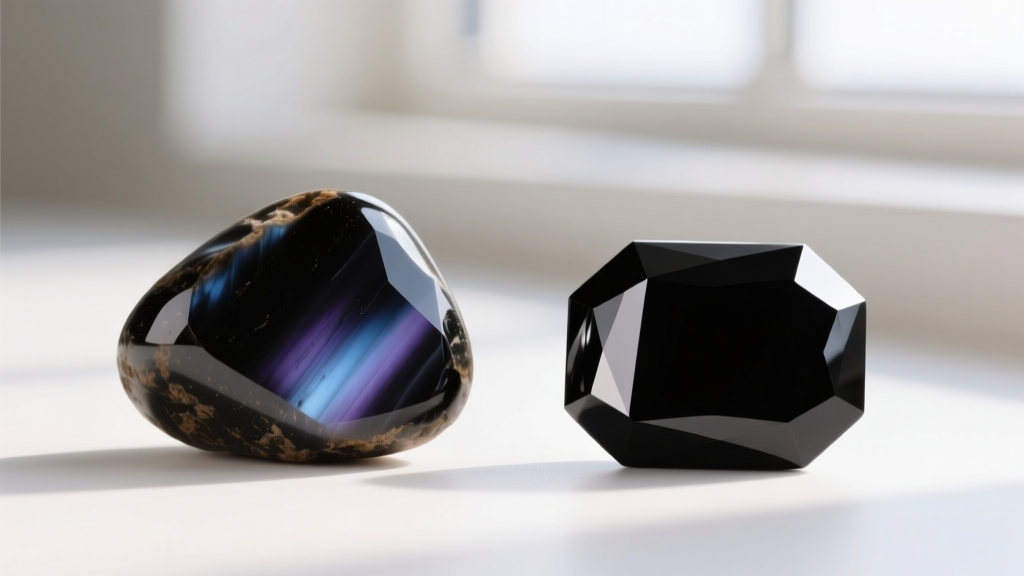
1. The Weight and Temperature Test
Jet is an organic material, meaning it has low thermal conductivity and a low specific gravity. When you pick up a genuine jet brooch or necklace, it should feel surprisingly light and warm to the touch almost immediately. In contrast, 'French jet' (which is actually black glass) and black onyx will feel noticeably heavy and cold against the skin.
2. The Streak Test
This is the most reliable non-destructive test for jet. Take an unglazed porcelain tile (the unglazed bottom of a standard ceramic coffee mug works perfectly) and gently rub a discreet, uncarved edge of the jewelry against it.
- Authentic Jet: Will leave a distinct, light-to-medium brown streak, similar to the color of weak coffee.
- Glass/French Jet: Will leave no streak at all, or potentially a very faint, scratchy white mark if the glass is softer than the porcelain.
- Onyx: Will leave no streak, as it is much harder than porcelain.
3. The Hot Pin Test (Use with Extreme Caution)
Historically, collectors used a red-hot needle to test jet. When touched to genuine jet in an inconspicuous area, it will not melt, but it may leave a tiny brown mark and emit a faint smell reminiscent of burning coal or wood. If the piece is vulcanite (hardened rubber) or early plastic like Bakelite, it will smell like burning rubber or chemicals. Note: This test is destructive and should only be performed by professionals on damaged or low-value pieces.
Material Comparison Chart: Jet vs. The Imitations
Use this quick-reference table to evaluate potential purchases at estate sales or antique shops.
| Material | Origin/Composition | Mohs Hardness | Weight & Feel | Streak Test Result |
|---|---|---|---|---|
| Whitby Jet | Fossilized Araucaria wood | 2.5 - 4.0 | Very light, warm | Brown streak |
| French Jet | Black glass | 5.5 - 6.0 | Heavy, cold | No streak |
| Onyx | Chalcedony (mineral) | 6.5 - 7.0 | Heavy, cold | No streak |
| Vulcanite | Hardened India rubber | 2.0 - 3.0 | Light, warm | No streak (brownish smear) |
| Bog Oak | Fossilized peat wood | 2.0 - 3.0 | Light, warm | Brown streak (often darker) |
Caring for Your Antique Jet Mourning Jewelry
Because jet is relatively soft (ranking only 2.5 to 4 on the Mohs scale) and organic, it requires specialized care to prevent cracking, scratching, or drying out.
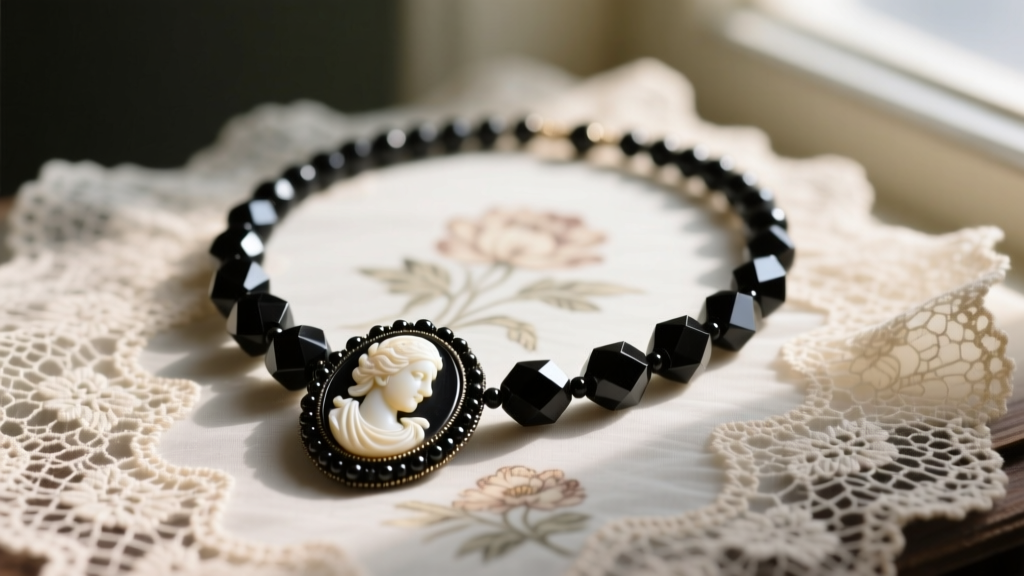
Cleaning Protocols
Never use ultrasonic cleaners, steam cleaners, or commercial jewelry dips on jet. The high-frequency vibrations can shatter internal fissures, and harsh chemicals will strip the stone's natural luster. Instead, wipe the piece gently with a soft, slightly damp microfiber cloth. If the piece is heavily soiled, use a drop of mild, phosphate-free dish soap, rinse quickly under lukewarm water, and pat dry immediately.
Hydration and Storage
Jet can dry out and develop micro-fractures if kept in overly arid environments. To maintain its structural integrity and deep black color, apply a microscopic amount of mineral oil or pure almond oil using a cotton swab once every year or two. Store your jet pieces in a soft pouch away from direct sunlight and extreme temperature fluctuations. Keep them separated from harder gemstones and metals to avoid surface scratches.
Red Flags When Buying Jet
As a beginner, protecting your investment means knowing the common traps set by uninformed or dishonest sellers. Watch out for these warning signs:
- The 'French Jet' Misnomer: Sellers often list black glass beads as 'French jet.' While historically accurate to the term, it is not actual jet. Always verify the material if the price reflects genuine Whitby jet.
- Mold Lines: Genuine jet was hand-carved. If you see a distinct seam or mold line running through a cameo or bead, you are looking at molded glass, vulcanite, or early plastic.
- Sharp, Glassy Facets: Jet does not take a high, glassy polish on sharp facets the way glass or onyx does. Authentic jet has a softer, almost waxy or resinous luster, even when highly polished.
- Perfect Uniformity: Under a jeweler's loupe, genuine jet may reveal tiny, natural inclusions, wood grain remnants, or pyrite flecks (often called 'jet dust'). Perfect, flawless blackness is more indicative of glass.
Collecting jet mourning jewelry is a rewarding pursuit that connects you directly to the social history and intimate grief of the Victorian era. By mastering these identification techniques and care protocols, you can confidently build a collection of authentic, historically significant memorial pieces that will endure for generations.


