Brutalist Style Jewelry Buying Guide: What to Look For
Discover how to buy authentic brutalist style jewelry. Learn about materials, casting techniques, pricing, and what to look for in raw pieces.

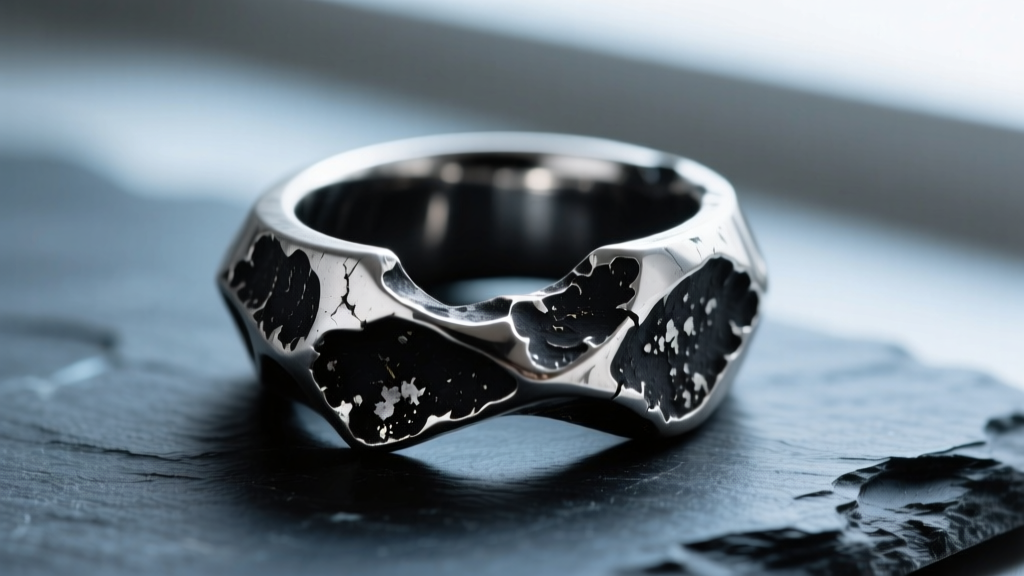
The Architecture of Adornment: Defining Brutalist Jewelry
Inspired by the raw, unpolished concrete structures of mid-century Brutalist architecture, brutalist style jewelry rejects traditional high-polish perfection in favor of texture, weight, and geometric aggression. As we navigate the 2026 jewelry market, this aesthetic has evolved from niche avant-garde runways into a staple of gothic and punk streetwear. However, the line between intentional, handcrafted brutalism and poorly finished mass-produced jewelry is often blurred. This buying guide will equip you with the metallurgical knowledge and structural insights needed to invest in authentic, high-quality brutalist pieces.
Core Materials and Chemical Patinas
The foundation of any dark aesthetic jewelry is its metal and finish. Brutalist pieces rely heavily on oxidation to mimic the weathered look of raw concrete and oxidized steel. When evaluating a piece, you must understand how the patina was achieved.
Liver of Sulfur vs. Black Max
Most entry-level oxidized silver jewelry is treated with Liver of Sulfur (LOS). While LOS provides a beautiful dark gray to black finish, it is relatively soft and will wear off quickly on high-contact areas like the inside of a ring band. Premium brutalist style jewelry often utilizes Black Max (a tellurium-based compound). According to Ganoksin's comprehensive guide to silver oxidation, Black Max penetrates the silver deeply, creating a true, durable black that resists friction and moisture far better than LOS. If a seller cannot tell you which oxidizing agent they use, assume it is LOS and factor in the need for future maintenance.
Alternative Metals: Titanium and Bronze
For those seeking lightweight alternatives to heavy sterling silver, Grade 5 Titanium is increasingly popular in 2026 brutalist collections. It offers immense tensile strength, allowing for jagged, gravity-defying geometric spikes without the risk of bending. Bronze and brass are also common, offering a natural, earthy patina that ages uniquely with the wearer's skin chemistry.
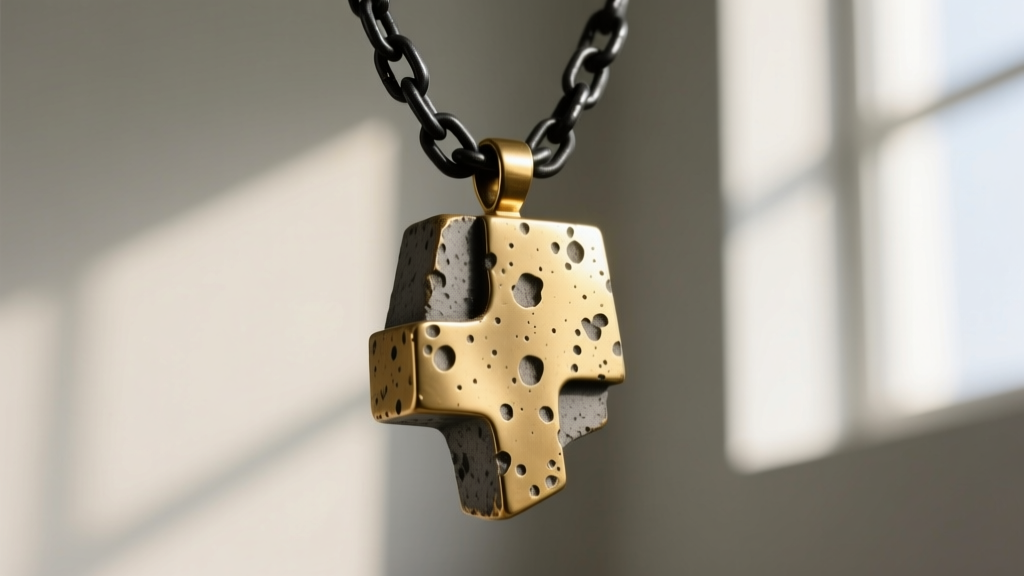
Casting Techniques: Sand-Cast vs. Lost-Wax
The manufacturing method dictates the texture of brutalist style jewelry. Understanding these techniques helps you spot authentic craftsmanship.
- Sand Casting: This traditional method involves pressing a model into fine sand and pouring molten metal into the cavity. It naturally leaves a pitted, porous surface that perfectly mimics raw concrete. Look for organic, randomized pitting; uniform bubbles indicate a cheap silicone mold fake.
- Lost-Wax Casting with Intentional Scarring: Artisans carve or melt the wax model before casting, creating deep gouges and melted textures. High-end pieces will show tool marks that follow a deliberate geometric flow, rather than random scratches.
- Electroforming: Often used with raw crystals, this process builds up a copper or silver shell over a base object, resulting in a rough, bark-like texture that pairs beautifully with dark, unpolished stones.
Ergonomics and the Heavy Metal Dilemma
Brutalist jewelry is inherently heavy and structurally aggressive. A piece that looks incredible on a display bust can become unwearable in daily life if ergonomics are ignored. Here is your structural checklist before purchasing:
Rings and Cuffs
Brutalist rings with sharp, outward-facing geometric protrusions are notorious for snagging on knitwear and scratching adjacent fingers. Look for 'inverted' brutalist designs where the aggressive texture faces outward but the inner band features a smooth, comfort-fit contour. For heavy cuffs, ensure the metal is annealed properly; if the brass or silver is too rigid, attempting to adjust the fit will cause the metal to snap at the stress points.
Earrings and Post Gauges
Weight is the enemy of earlobe comfort. Standard earring posts are 20-gauge (0.8mm), which will easily bend or tear through the piercing if the brutalist earring head is too heavy. Always check the post thickness. High-quality heavy earrings will use an 18-gauge (1.0mm) or even 16-gauge (1.2mm) post, or utilize an omega-clip backing to distribute the weight across a larger surface area of the ear.
2026 Market Pricing and Value Tiers
The market for brutalist style jewelry is vast. Use this table to benchmark pricing and ensure you are paying a fair market rate based on materials and craftsmanship.
| Tier | Primary Materials | Price Range (USD) | Best Application |
|---|---|---|---|
| Entry | Sand-cast Brass, Bronze, Resin | $45 - $120 | Occasional wear, statement necklaces |
| Mid-Tier | Oxidized 925 Silver, LOS Patina | $150 - $450 | Daily wear rings, heavy chainmail cuffs |
| High-End | Black Max Silver, Grade 5 Titanium, Raw Gems | $500 - $2,500+ | Heirloom pieces, bespoke architectural commissions |
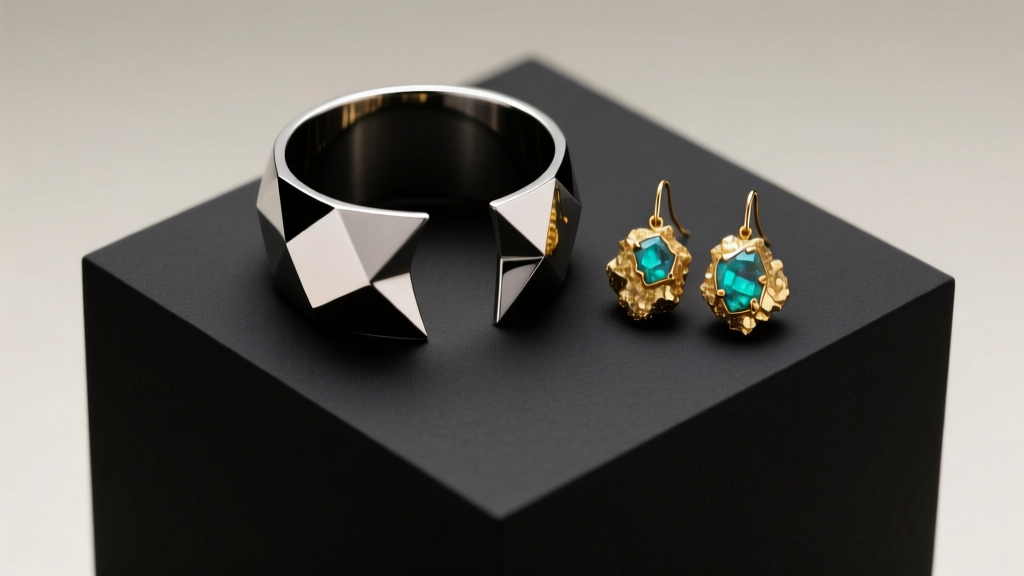
Spotting Authentic Brutalism vs. Faux-Raw Mass Production
As the dark aesthetic has surged in popularity, fast-fashion brands have begun mass-producing 'raw' looking jewelry using cheap zinc alloys and painted-on black finishes. To spot a fake, examine the seams. Authentic cast pieces will have a clean sprue mark (where the metal entered the mold) that has been filed down but left slightly visible as a nod to the industrial process. Mass-produced stamped pieces will have uniform, repeating 'pits' and a hollow, lightweight feel. Furthermore, painted-on patinas will flake off in sheets, whereas chemically induced oxidation will wear away gradually, revealing the bright silver beneath.
Maintenance: Preserving the Raw Aesthetic
Cleaning brutalist jewelry requires a complete reversal of traditional jewelry care. The goal is to preserve the dark recesses while only highlighting the high-relief edges.
Warning: Never use ultrasonic cleaners, steam cleaners, or liquid silver dips on brutalist style jewelry. These methods will strip the intentional oxidation entirely, leaving you with a flat, bright silver piece that loses its architectural depth.
Instead, use a dry, treated polishing cloth (like a Sunshine cloth) and gently rub only the raised, outermost edges of the metal. This creates a high-contrast finish where the recesses remain pitch black and the edges gleam. For pieces set with raw, unfaceted stones like pyrite or raw onyx, the Gemological Institute of America (GIA) recommends avoiding harsh chemicals entirely, as raw stones are often porous and can absorb oils or cleaning agents, leading to permanent discoloration. Simply wipe raw gems with a dry microfiber cloth.
Final Verdict
Brutalist style jewelry is an investment in wearable sculpture. By prioritizing durable chemical patinas like Black Max, verifying structural ergonomics like earring post gauges, and understanding the nuances of sand-casting, you can curate a collection that is as resilient as it is visually striking. Embrace the raw, the heavy, and the unpolished—just ensure it is built to last.


