Steam Punk Jewelry Repair: Fix Tarnish, Gears & Resin
Learn how to troubleshoot steam punk jewelry issues. Expert fixes for brass tarnish, loose watch gears, and cracked resin cabochons.

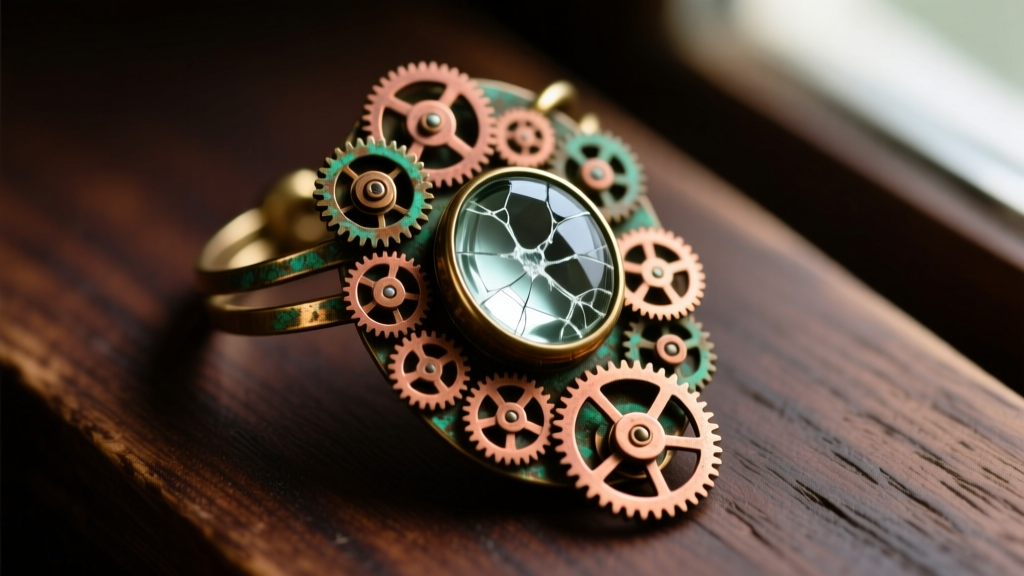
Steam punk jewelry is a cornerstone of alternative fashion, blending Victorian elegance with industrial grit. However, the very materials that give it character—raw brass, oxidized copper, exposed watch movements, and glass cabochons—make it highly susceptible to environmental damage. Unlike mass-produced sterling silver or surgical steel, steam punk jewelry requires specialized maintenance. This guide provides expert-level troubleshooting for the most common structural and chemical failures, ensuring your alternative accessories survive daily wear.
The Unique Vulnerabilities of Steam Punk Jewelry
The aesthetic appeal of steam punk jewelry relies heavily on mixed media. A single pendant might combine C26000 cartridge brass, C11000 pure copper, mineral glass, and acrylic resin. This multimaterial construction creates galvanic corrosion risks and adhesive failure points. Furthermore, the intentional 'antiquing' or oxidization applied to these metals can easily be stripped away by improper cleaning methods. Understanding the material science behind your jewelry is the first step in effective troubleshooting.
Troubleshooting Brass and Copper Tarnish
The Chemistry of Verdigris
When copper and brass alloys react with moisture, oxygen, and environmental chlorides, they form copper carbonate—commonly known as verdigris. This flaky, bright green patina is not just unsightly; it is actively corrosive and can stain skin and clothing. Commercial silver dips, which rely on thiourea-based chemicals, will aggressively strip the intentional dark antiquing from brass and dissolve the epoxies holding micro-gears in place.
Safe Cleaning Protocols
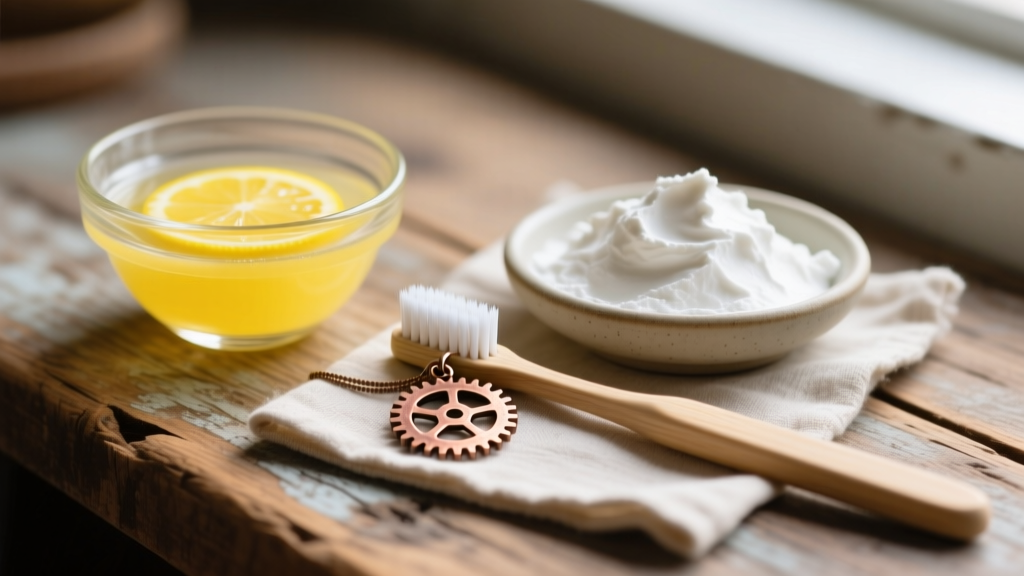
To remove heavy verdigris without destroying the underlying finish, use a localized chemical reaction. Create a paste using equal parts distilled lemon juice and baking soda. Apply this paste strictly to the affected copper areas using a cotton swab. The mild citric acid dissolves the oxidation, while the baking soda acts as a gentle abrasive and neutralizing agent. After 60 seconds, neutralize the acid by wiping the piece with a cloth dampened in a baking soda and distilled water slurry. For general brass maintenance, conservationists recommend using specialized polishes like Simichrome, which leave a protective micro-thin barrier against moisture.
Mechanical Failures: Reattaching Micro-Gears
Why Cyanoacrylate Fails
The hallmark of steam punk jewelry is the inclusion of salvaged or stamped watch cogs and micro-gears, often measuring between 2mm and 5mm in diameter. Many hobbyists and mass-manufacturers use cyanoacrylate (Super Glue) to attach these parts. However, cyanoacrylate has high tensile strength but incredibly low shear strength. When the metal expands and contracts due to body heat or weather changes, the brittle glue shatters, causing gears to pop off.
The Epoxy and UV Resin Solution
For permanent metal-to-metal gear reattachment, you must use a flexible, high-shear adhesive. A two-part clear epoxy, such as Devcon 5-Minute Clear Epoxy, provides the necessary structural integrity. Mix a microscopic drop on a glass palette and apply it using a 0.1mm pin vise or a sharpened toothpick. For glass-to-metal or resin-to-metal cabochons, UV-curing resin is superior. It allows you to position the piece perfectly and cure it instantly under a 36W UV lamp for 3 to 5 minutes, eliminating the risk of the cabochon sliding out of alignment during a long drying process.
Restoring Cloudy Glass and Scratched Resin
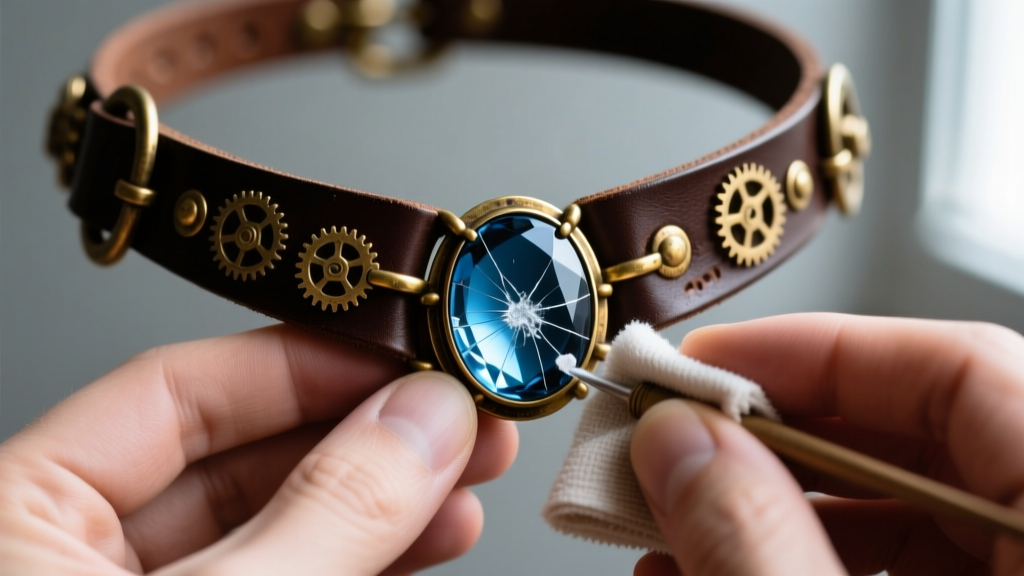
Steam punk chokers and cuff bracelets frequently feature large central cabochons. Over time, these become scratched or cloudy, but the repair method depends entirely on the Mohs hardness of the material.
Acrylic and Resin (Mohs 2-3)
Acrylic scratches easily but is simple to restore. Wet-sand the surface using progressive grits of automotive sandpaper: start at 800 grit, move to 1500, then 3000, and finish at 5000 grit. Keep the surface constantly lubricated with distilled water. Follow this with a plastic polish like Novus 2 or Polywatch, buffing with a microfiber cloth until optical clarity is restored.
Mineral Glass (Mohs 5.5-7)
Glass does not scratch easily, but when it does, sandpaper is useless. According to gemological care standards outlined by the Gemological Institute of America (GIA), glass requires rare-earth polishing compounds. Mix Cerium Oxide (CeO2) powder with distilled water to form a thick paste. Apply it to a felt Dremel bit and polish the glass at a low speed (under 5,000 RPM) to prevent thermal shock, which can shatter the cabochon.
Preventing the 'Green Skin' Reaction
The dreaded 'green finger' or neck stain is caused by copper alloys reacting with the lactic acid and urea in human sweat, creating copper chelates. This is a harmless chemical reaction, but highly undesirable. The most effective, non-permanent solution is applying a microcrystalline wax, such as Renaissance Wax, to the skin-facing side of the jewelry. Unlike clear nail polish, which yellows and chips within days, Renaissance Wax provides a breathable, museum-grade barrier that lasts for several weeks before requiring reapplication. For a permanent fix, consult a professional jeweler about applying a clear electrophoretic coating like ProtectaClear.
Troubleshooting Matrix: Quick Reference Guide
| Problem | Material | Incorrect Fix | Expert Solution |
|---|---|---|---|
| Flaky Green Tarnish | Copper / Brass | Silver Dip (Thiourea) | Lemon juice/baking soda paste, neutralized |
| Gears Falling Off | Metal-to-Metal | Cyanoacrylate (Super Glue) | Two-part clear epoxy (Devcon 5-Min) |
| Cabochon Sliding | Glass-to-Metal | Hot Glue / E6000 | UV-curing resin with 36W lamp curing |
| Deep Scratches | Acrylic Resin | Toothpaste / Baking Soda | Wet sanding (800-5000) + Polywatch |
| Green Skin Stain | Raw Brass / Copper | Clear Nail Polish | Renaissance Wax or ProtectaClear coating |
Final Thoughts on Maintenance
Troubleshooting steam punk jewelry requires a departure from standard jewelry care. By respecting the specific chemical properties of brass, copper, and mixed media, you can restore heavily damaged pieces to their former glory. For further reading on the conservation of mixed-metal historical and alternative artifacts, the AIC Conservation Wiki offers extensive databases on alloy stabilization. Always source your replacement micro-gears and raw brass findings from reputable jewelry suppliers like Rio Grande to ensure material purity and structural integrity in your repairs.


