Troubleshooting Fading and Scratches in Dark Blue Jewelry
Is your dark blue jewelry fading or scratching? Learn expert troubleshooting tips for anodized titanium, lapis lazuli, and enamel gothic pieces.

The Unique Vulnerabilities of Dark Blue Gothic Jewelry
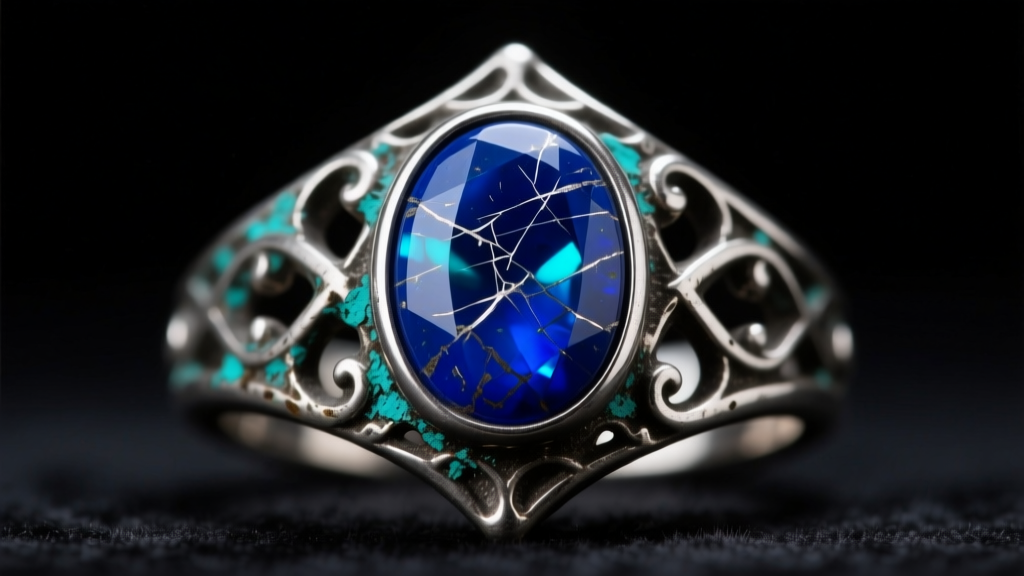
When curating a gothic or punk aesthetic, dark blue jewelry serves as a striking focal point. Whether it is the deep midnight hue of anodized titanium body jewelry, the mottled celestial depths of lapis lazuli set in oxidized silver, or the glossy finish of cold enamel on blackened steel hardware, dark blue pieces command attention. However, these specific materials and finishes present unique structural and chemical vulnerabilities. Unlike standard yellow gold or plain surgical steel, dark blue elements are highly susceptible to micro-scratching, UV fading, thermal shock, and chemical degradation from acidic sweat.
As of 2026, alternative jewelry manufacturing has evolved, but the fundamental physics of these materials remain unchanged. If your favorite punk rings are losing their luster, or your septum clickers are shifting color, you are likely dealing with material-specific failure modes. This guide provides actionable, expert-level troubleshooting protocols to diagnose and repair the most common issues plaguing dark blue gothic and punk jewelry.
Diagnosing Anodized Titanium Color Shifts
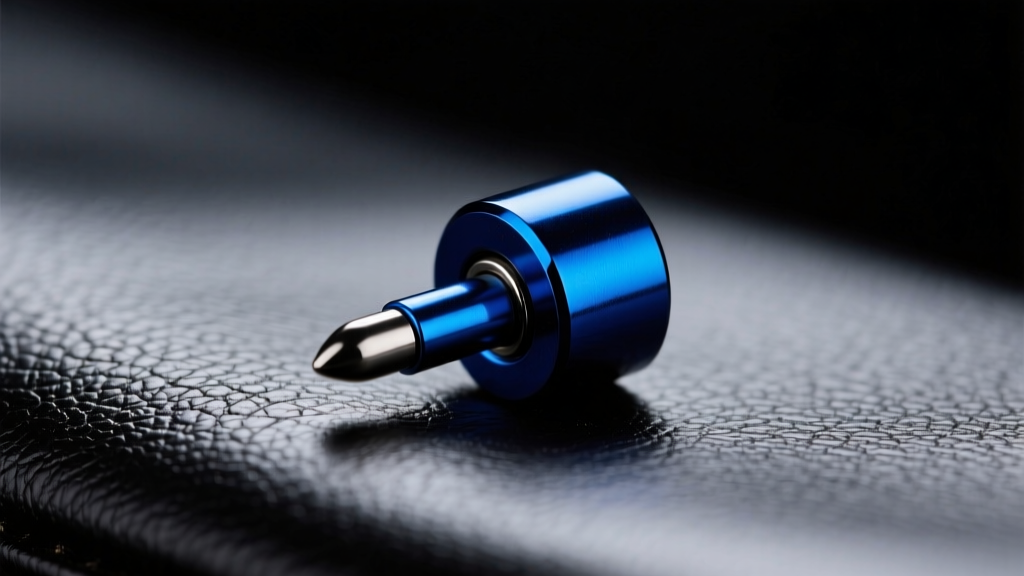
Anodized titanium is a staple in punk and gothic body modification, particularly for 14-gauge and 16-gauge septum clickers, industrial barbells, and dermal tops. The dark blue color is not a dye or paint; it is created through an electrochemical process that thickens the titanium dioxide layer on the surface, altering how light refracts through it.
The Problem: 'Fading' and Color Shifting
Owners frequently report that their dark blue titanium jewelry is 'fading' to a brassy or purplish hue. True fading does not occur because the oxide layer is permanent. Instead, you are experiencing one of two issues:
- Micro-scratching: The oxide layer is incredibly thin (measured in nanometers). Friction from clothing, sleeping, or improper handling creates micro-scratches that disrupt light interference, making the dark blue appear dull or brassy.
- pH and Chemical Stripping: Highly acidic skin pH, or exposure to harsh chemicals like chlorine or alcohol-based sanitizers, can chemically etch the oxide layer, shifting the color spectrum.
The Solution: Re-Anodizing at Specific Voltages
You cannot 'polish' anodized titanium back to its original color without stripping it. According to the Association of Professional Piercers (APP), the only permanent fix is re-anodizing. If you have access to a titanium anodizer (or a professional piercer who does), the jewelry must be stripped in a mild acid bath and re-anodized. To achieve a deep, dark midnight blue, the voltage must be set precisely to 30 to 35 volts. Going higher (45V+) will yield a light, bright cyan blue, which ruins the dark gothic aesthetic. Always ensure the jewelry is impl-grade Ti-6Al-4V ELI (ASTM F136) before applying current.
Troubleshooting Soft Stone Scratching: Lapis Lazuli and Sodalite
Massive, chunky signet rings and heavy pendants featuring dark blue stones like lapis lazuli and sodalite are iconic in gothic fashion. However, these stones are geologically soft and highly reactive, making them a nightmare for daily punk wear.
Material Hardness and Vulnerability Data
Understanding the Mohs hardness scale is critical for troubleshooting stone damage. Here is how common dark blue gothic stones compare:
| Material | Mohs Hardness | Primary Vulnerability | Forbidden Cleaning Methods |
|---|---|---|---|
| Lapis Lazuli | 5.0 - 5.5 | Scratching, Acid Etching, Pyrite Rusting | Ultrasonic, Steam, Acids |
| Sodalite | 5.5 - 6.0 | Chipping, Thermal Shock | Ultrasonic, Harsh Detergents |
| Blue Sapphire | 9.0 | Chipping at the girdle (edges) | None (highly durable) |
| Synthetic Spinel | 8.0 | Scratching from harder materials | None |
The Problem: The 'Dusty' Look and Pyrite Rust
When lapis lazuli loses its shine and looks dusty, it is usually covered in micro-scratches from contact with harder materials (like steel chains or glass). Furthermore, high-quality lapis contains pyrite (iron sulfide) inclusions. If exposed to excessive moisture or ultrasonic cleaners, the pyrite will oxidize and rust, creating ugly brown halos around the metallic flecks that ruin the dark blue contrast.
The Solution: Safe Polishing and Sealing
Never put lapis or sodalite in an ultrasonic cleaner; the vibrations will shatter the stones along their natural cleavage planes. To remove micro-scratches from lapis, use a soft muslin wheel with a mild aluminum oxide polishing compound. Avoid aggressive cutting compounds. After polishing, apply a micro-crystalline wax (like Renaissance Wax) to seal the stone and protect the pyrite inclusions from moisture. The Gemological Institute of America (GIA) strictly recommends only warm, soapy water and a soft brush for routine cleaning of lapis lazuli.
Repairing Chipped Enamel and Epoxy Fills in Hardware
Gothic crosses, spiked collars, and heavy chain links frequently utilize dark blue fills to create contrast against blackened steel or oxidized brass. Historically, this was done with vitreous (fired) enamel, but modern punk hardware almost exclusively uses cold enamel (two-part epoxy resin) due to cost and manufacturing constraints.
The Problem: Thermal Shock and Impact Chipping
Cold enamel is essentially hardened plastic. It is prone to chipping when the metal hardware flexes or when the piece is dropped on concrete. Furthermore, exposure to extreme temperature changes (like going from a freezing winter night into a hot, crowded club) causes the metal to expand and contract at a different rate than the resin, leading to delamination and cracking.
The Solution: DIY Mica-Tinted Epoxy Repair
If your dark blue enamel chips, you can achieve a seamless repair at home. Do not use nail polish or cyanoacrylate (Super Glue), as these will yellow and shrink over time. Instead, purchase a jeweler's two-part clear epoxy resin. To match the deep, opaque dark blue of gothic hardware, mix in a high-concentration interference blue mica powder or a specialized liquid resin dye. 1. Clean the chipped cavity with 99% isopropyl alcohol to remove skin oils. 2. Mix the epoxy and pigment thoroughly. 3. Use a dental pick or fine needle to drop the resin into the cavity, slightly overfilling it to account for shrinkage. 4. Once fully cured (24 hours), wet-sand the excess flush using 1500 to 3000-grit automotive sandpaper, finishing with a plastic polish to restore the glass-like shine.

Black Rhodium Plating Wear and the 'White Metal' Reveal
To make dark blue sapphires or synthetic spinels pop, high-end gothic jewelers often set them in black rhodium-plated white gold or sterling silver. Black rhodium provides a stunning, dark, gunmetal-like backdrop that enhances the moody aesthetic.
The Problem: Plating Attrition
Rhodium plating is a surface-level electroplated layer, typically only a few microns thick. On rings and bracelets that experience high friction, the black rhodium will inevitably wear away, revealing the bright white metal underneath. This creates a jarring, cheap-looking contrast that ruins the cohesive dark aesthetic of the piece.
The Solution: PVD Coating and Strategic Re-Plating
If your black rhodium is wearing off, you have two options. The immediate fix is to send the piece back to the manufacturer or a specialized jeweler for re-plating. However, black rhodium is inherently fragile. For a permanent 2026-era solution, ask a specialized custom jeweler to strip the remaining rhodium and apply a Black PVD (Physical Vapor Deposition) coating. PVD bonds at a molecular level in a vacuum chamber, creating a surface that is vastly more scratch-resistant than traditional electroplating, ensuring your dark blue stone settings remain permanently shadowed.
Preventative Maintenance Protocol for Dark Blue Pieces
Troubleshooting is reactive; maintenance is proactive. Implement this strict protocol to preserve your dark blue gothic and punk jewelry:
- The 'Last On, First Off' Rule: Always put your jewelry on after applying cosmetics, perfumes, and hairspray. Solvents in these products will rapidly degrade cold enamel and strip anodized titanium layers.
- Friction Isolation: Never store dark blue lapis or sodalite rings in a communal jewelry box where they can rub against steel chains or diamond/sapphire pieces. Store them individually in microfiber pouches.
- Sweat Neutralization: After wearing heavy punk hardware during hot concerts or festivals, wipe the pieces down with a damp microfiber cloth and dry them immediately. The lactic acid in sweat is highly corrosive to both oxidized silver patinas and soft blue stones.
- Thread Checking: For body jewelry, ensure the internal threads on your dark blue titanium barbells are kept clean. Use a soft toothbrush to clear dead skin and sebum from the threads, which can cause cross-threading and strip the metal when you try to unscrew the dark blue anodized gems.
By understanding the specific metallurgical and gemological properties of your dark blue jewelry, you can move beyond frustration and take precise, expert-level action to restore and maintain your alternative aesthetic for years to come.


