Evil Eye Jewish Jewelry: A Budget & Value Assessment Guide
Discover how to evaluate evil eye Jewish jewelry. Learn pricing tiers, metal grades, and value assessment tips for Hamsa and Kabbalah pieces.

The Cultural Intersection: Evil Eye Motifs in Jewish Tradition
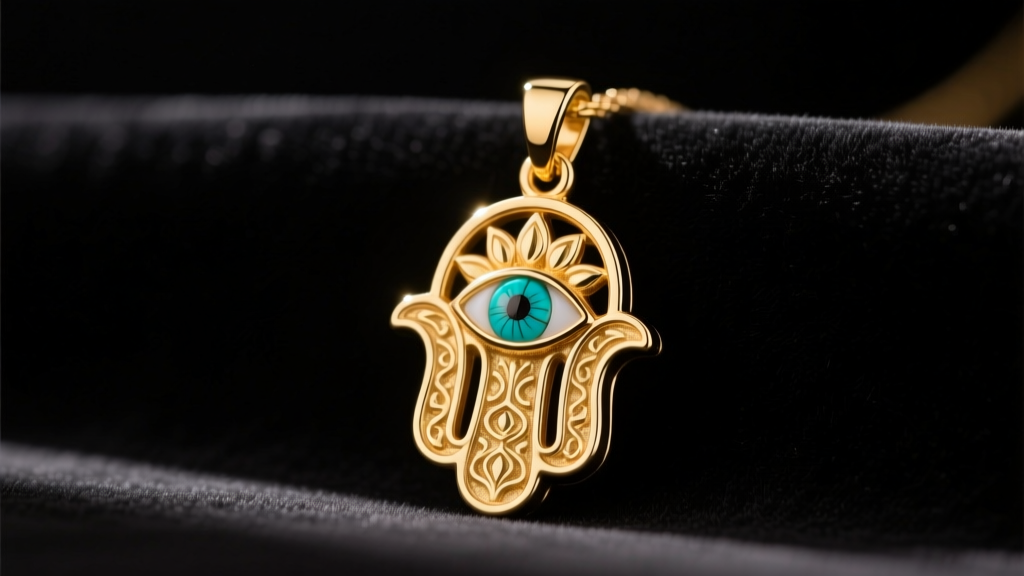
When navigating the market for evil eye Jewish jewelry, buyers are engaging with a rich tapestry of cross-cultural symbolism. In Jewish tradition, the concept of the evil eye (Ayin Hara) is deeply rooted in Talmudic texts and Kabbalistic mysticism. Unlike the mainstream Mediterranean Nazar (the blue glass bead), Jewish protective jewelry heavily favors the Hamsa hand, the Star of David, red string bracelets, and inscriptions of the Priestly Blessing or the Shema. Understanding this distinction is the first step in accurately assessing the value and authenticity of the pieces you encounter. Mass-market costume jewelry often conflates these symbols, whereas authentic Judaica artisans maintain strict adherence to traditional motifs and Hebrew calligraphy.
Material Grades and Their Impact on Pricing
The foundation of any value assessment lies in the base metal. According to the FTC Jewelry Guides, precious metals must be accurately stamped and marketed. In the realm of Jewish protective amulets, you will primarily encounter sterling silver and 14-karat gold.
Sterling Silver (925): The Accessible Baseline
Sterling silver is the most common metal for everyday Hamsa and evil eye pendants. However, price discrepancies are massive. A hollow-stamped, 1.5-gram silver pendant imported from overseas may retail for $45, offering poor durability and near-zero intrinsic value. Conversely, a solid-cast, 8-gram 925 silver Hamsa with hand-engraved Hebrew lettering justifies a $120–$180 price point. Always check the gram weight; silver is currently a commodity, and paying over $25 per gram for standard silver Judaica indicates a heavy retail markup rather than material value.
14k Gold (585): The Heirloom Standard
For serious collectors and those seeking generational pieces, 14k gold is the sweet spot for durability and value retention. Israeli and American Judaica designers frequently use 14k yellow gold. A standard 2.5-gram 14k gold evil eye pendant should cost between $250 and $400, factoring in the gold spot price and basic craftsmanship. If a piece features intricate filigree or micro-pave diamonds, expect the price to scale to $800–$1,500. Beware of 'gold vermeil' (gold-plated sterling silver) being sold at solid gold prices; vermeil will eventually wear off, especially on high-friction items like bracelets.
Value Assessment Matrix: What Should You Actually Pay?
To help you budget effectively, we have compiled a pricing matrix based on current market rates for authentic, well-crafted evil eye Jewish jewelry. Use this table to benchmark quotes from jewelers and online Judaica stores.
| Material & Type | Avg. Weight / Spec | Fair Market Range | Value Retention |
|---|---|---|---|
| 925 Silver Hamsa Pendant | 4g - 7g (Solid) | $80 - $160 | Moderate |
| 14k Gold Evil Eye Studs | 1.5g total weight | $180 - $280 | High |
| Vermeil Red String Charm | 2g (Plated Silver) | $35 - $60 | Low |
| 18k Gold & Sapphire Amulet | 5g+ with natural gems | $900 - $1,800 | Very High |
Gemstone and Enamel Valuation in Protective Designs
The 'eye' of the Hamsa or the center of a Kabbalistic amulet is frequently highlighted with gemstones or enamel. The method and material used here drastically alter the budget required.
Turquoise vs. Dyed Howlite
Turquoise is historically significant in Middle Eastern and Sephardic Jewish jewelry for its protective qualities. However, the market is flooded with dyed howlite or magnesite passed off as turquoise. According to the Gemological Institute of America (GIA), natural, untreated turquoise is rare and commands a premium. If a silver Hamsa pendant features a perfectly uniform, bright blue 'turquoise' cabochon and costs under $60, it is almost certainly dyed howlite or synthetic. Genuine stabilized turquoise will show slight matrix variations and should push the piece's price into the $150+ range.
Enamel Work: Cold vs. Vitreous
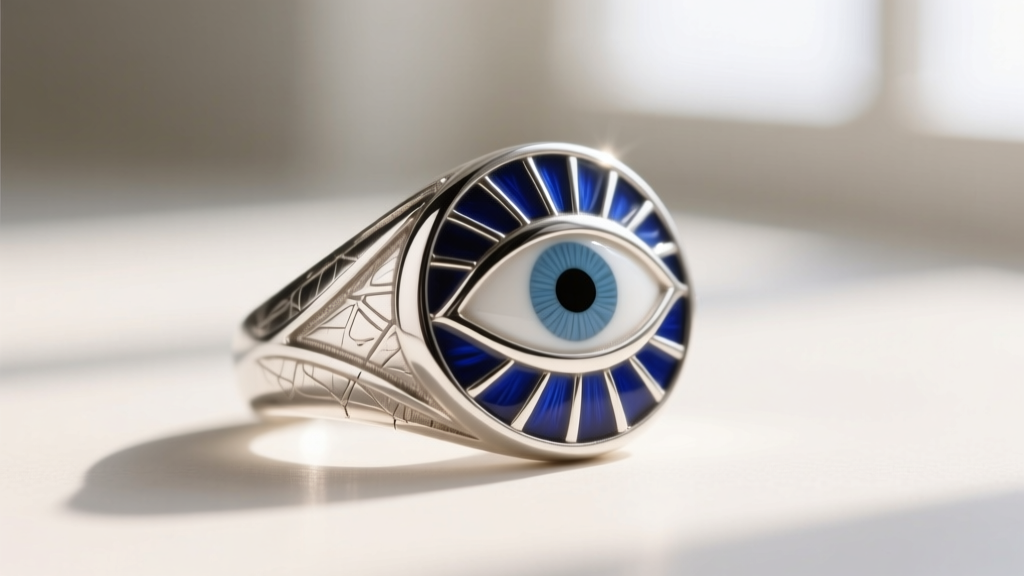
Many evil eye designs utilize blue and white enamel to mimic the traditional Nazar colors within a Jewish Star of David or Hamsa framework. 'Cold enamel' is essentially colored epoxy resin; it is cheap to apply, prone to yellowing, and can chip easily. 'Vitreous enamel' is powdered glass fired at over 1400°F, fusing it permanently to the metal. Vitreous enamel, particularly guilloché (enamel over engine-turned metal textures), is a hallmark of high-end Judaica and justifies a 300% to 400% premium over cold enamel pieces.
The Kabbalah Red String: Authenticity vs. Commercial Markup
No discussion of evil eye Jewish jewelry is complete without addressing the Kabbalah red string bracelet (Roite Bendel). Traditionally, these strings are wound around the Tomb of Rachel in Bethlehem and worn on the left wrist to ward off the evil eye. The commercialization of this practice has created a massive markup disparity.
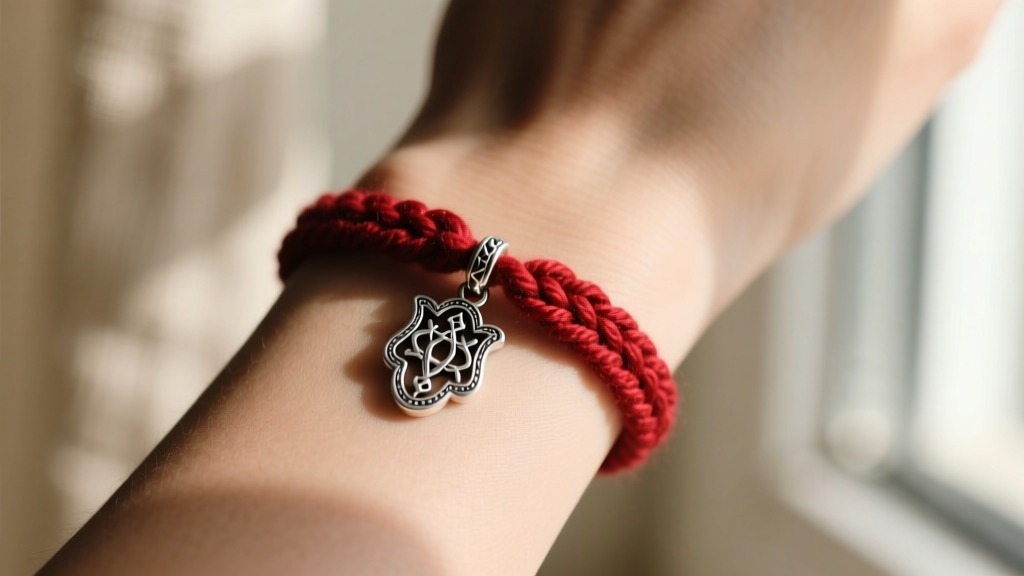
Institutions like the Kabbalah Centre have historically sold these simple wool strings for $26 or more. From a strict material value perspective, this is an enormous markup; the cost of the merino wool and basic knotting is less than $1. However, buyers are paying for the spiritual provenance and the blessing ritual. If your budget is strictly tied to material craftsmanship, you are better off purchasing a braided crimson wool bracelet from an independent Jewish artisan on platforms like Etsy, paired with a solid 925 silver or 14k gold Hamsa charm, which offers tangible, lasting value.
- Red Flag 1: Synthetic nylon strings sold as 'authentic wool'.
- Red Flag 2: Pre-tied knots that cannot be adjusted (traditional strings must be tied with 7 knots by a loved one).
- Red Flag 3: Gold-plated plastic charms disguised as solid metal.
Hallmarks, Maker's Marks, and Sourcing Strategies
To ensure your budget is being spent on genuine articles, always inspect the hallmarks. A legitimate piece of Jewish jewelry crafted in Israel will often bear the '925' or '14k' stamp alongside a maker's mark or the word 'Israel'. For vintage pieces sourced from antique dealers, look for the 'Shinui' or older Bezalel Academy of Arts and Design marks, which denote significant historical and monetary value.
When sourcing online, consult resources like the Jewish Virtual Library to verify the accuracy of Hebrew inscriptions on the jewelry. Many mass-produced items feature garbled or upside-down Hebrew letters, instantly rendering the piece culturally inauthentic and voiding its value as a genuine Judaica artifact. Always request high-resolution macro photos of the inscriptions and hallmarks before purchasing high-ticket items.
Final Verdict: Maximizing Your Investment
Evaluating evil eye Jewish jewelry requires looking past the aesthetic appeal and scrutinizing the material reality. For everyday wear and spiritual comfort, a well-crafted 925 sterling silver Hamsa with genuine turquoise offers the best balance of budget and cultural authenticity, typically costing between $100 and $180. For heirloom investments, prioritize 14k or 18k gold with vitreous enamel and natural sapphires, ensuring the piece will retain both its spiritual significance and its financial value for generations to come. By demanding accurate hallmarks, verifying gemstone origins, and understanding the true cost of materials, you can build a meaningful collection without falling victim to inflated markups.


