Indian Jewelry for Forehead: Maang Tikka Style Trends
Explore the evolution of indian jewelry for forehead styling. Discover 2026 maang tikka trends, material grades, weight mechanics, and pricing tiers.

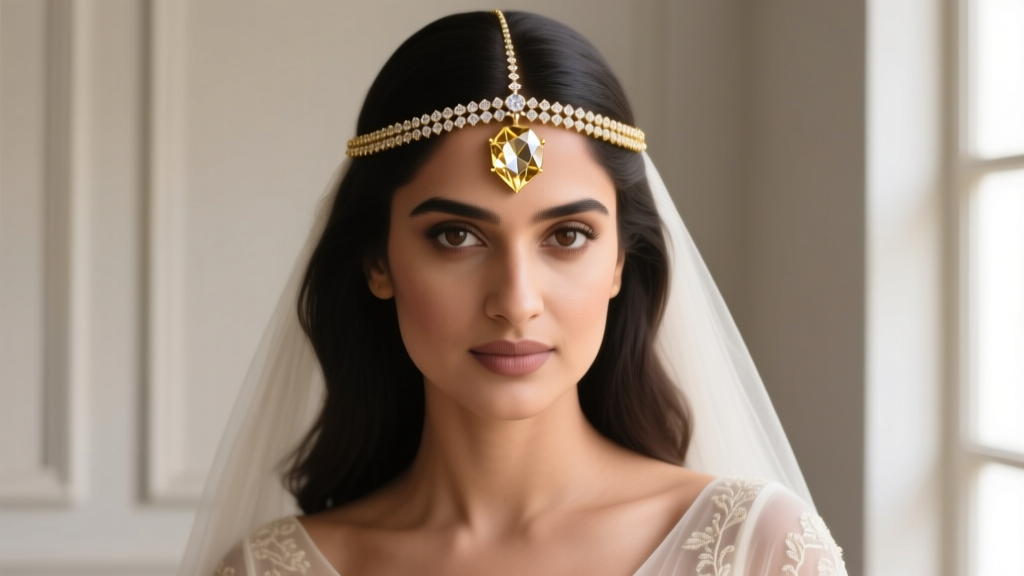
The Cultural and Spiritual Gravity of Forehead Adornment
When exploring the vast landscape of South Asian adornment, indian jewelry for forehead styling stands out as one of the most culturally significant and visually striking traditions. Historically, the center of the forehead is believed to be the seat of the Ajna Chakra—the third eye, representing spiritual awakening, intuition, and concealed wisdom. Adorning this space is not merely an aesthetic choice; it is a deliberate act of honoring feminine energy (Shakti) and focusing the mind. Today, as global fashion continues to absorb and reinterpret regional heritage, the maang tikka and its variations have transcended traditional bridal trousseaus to become staple pieces in high-fashion editorial shoots, music festival couture, and contemporary fusion wardrobes.
However, navigating the market for authentic, high-quality forehead jewelry requires a deep understanding of regional craftsmanship, metallurgy, and structural mechanics. From the uncut diamond (Polki) workshops of Bikaner to the oxidized silver artisans of Jaipur, the craftsmanship dictating the drape, weight, and longevity of these pieces varies wildly. In this comprehensive style and trend analysis, we deconstruct the anatomy, material grades, and 2026 styling mechanics of forehead jewelry.
Deconstructing the Silhouettes: Tikka, Patti, and Passa
To shop or style effectively, one must first distinguish between the primary architectural silhouettes of indian jewelry for forehead placement. Each serves a distinct visual purpose and requires different weight-bearing considerations.
1. The Maang Tikka (The Central Pendant)
The quintessential forehead piece consists of a chain (the matha patti chain, though often simplified) that runs down the central hair parting, terminating in a decorative pendant that rests precisely on the lower forehead. Modern minimalist tikkas often weigh between 8 to 15 grams, making them suitable for all-day wear at weddings or cultural galas. Bridal tikkas, heavily encrusted with precious stones, can range from 30 to 60 grams.
2. The Matha Patti (The Halo Effect)
This is an extension of the tikka, featuring additional chains that arc across the hairline toward the temples, creating a halo or crown effect. A full matha patti is a statement of royalty. Because it spans a wider surface area, it distributes weight more evenly than a central tikka, but the sheer volume of metal and stones can push the total weight to 80–120 grams for heritage bridal pieces.
3. The Jhoomar or Passa (The Side-Swept Classic)
Rooted in Mughal and Islamic heritage, the Jhoomar is worn exclusively on the left side of the head. It typically features a fan-shaped or chandelier-style pendant. According to the Victoria and Albert Museum's archives on South Asian adornment, the Passa was historically favored by courtesans and royalty in the Awadh region, offering an asymmetrical elegance that contrasts sharply with the bilateral symmetry of the maang tikka.

2026 Trend Analysis: The Shift to Lightweight Fusion
The 2026 landscape for regional jewelry is defined by a rejection of cumbersome weight in favor of ergonomic elegance and stylistic versatility. Designers are actively engineering pieces that honor traditional aesthetics while accommodating modern, active lifestyles.
- Micro-Kundan and Resin Cores: Traditional Kundan setting involves embedding glass or polished stones into highly refined 24k gold foil. To reduce weight, contemporary jewelers are utilizing 3D-printed, high-density resin bases plated in 3-micron 22k gold. This technique yields a voluminous, 50mm-wide pendant that weighs a mere 12 grams, compared to the 65 grams of a solid metal equivalent.
- Oxidized German Silver for Festival Couture: The bohemian-fusion trend has cemented oxidized silver (often an alloy of copper, zinc, and nickel known as German silver) as the go-to metal for non-bridal events. Paired with mirror-work (Shisha) and black silk threads, these pieces offer a gritty, antique patina that pairs flawlessly with contemporary slip dresses and tailored blazers.
- Convertible Modularity: High-end demi-fine brands are introducing detachable components. A heavy matha patti can be unclasped at the temples, converting instantly into a standard maang tikka or even a statement pendant necklace via a hidden posterior bail.
Material Grades, Weight, and Pricing Matrix
Understanding the material composition is critical for assessing value and predicting how the piece will behave against the skin and hair. Below is a comparative matrix of the most common material tiers found in the current market.
| Material Tier | Primary Composition | Avg. Weight (Tikka) | Price Range (USD) | Best Use Case |
|---|---|---|---|---|
| Fashion / Imitation | Brass base, CZ stones, gold flash plating | 15 - 25g | $25 - $80 | Single-use events, cosplay, festival wear |
| Demi-Fine Fusion | Sterling Silver (925), 18k gold vermeil, semi-precious | 10 - 18g | $120 - $350 | Receptions, cultural galas, editorial shoots |
| Fine Heritage (Kundan) | 22k Gold (91.6%), glass/polished quartz, 24k foil | 30 - 50g | $800 - $2,500 | Pre-wedding rituals, heavy bridal styling |
| Haute Bridal (Polki) | 18k/22k Gold, uncut natural diamonds, Meenakari enamel | 45 - 90g | $4,000 - $15,000+ | Generational heirlooms, primary wedding ceremony |
Note: The Gemological Institute of America (GIA) emphasizes that authentic Polki jewelry utilizes uncut, unpolished natural diamonds. Buyers should always request a certificate of authenticity to ensure the stones are not synthetic or heavily treated glass imitations, which are rampant in the lower-tier tourist markets.
The Mechanics of the Drape: Securing Heavy Metals
The most exquisite maang tikka will fail if it flips backward or slips into the wearer's eye during movement. Securing indian jewelry for forehead placement requires an understanding of tension, friction, and hair architecture. Here is the professional stylist’s framework for anchoring these pieces:
The Hook vs. The Clasp
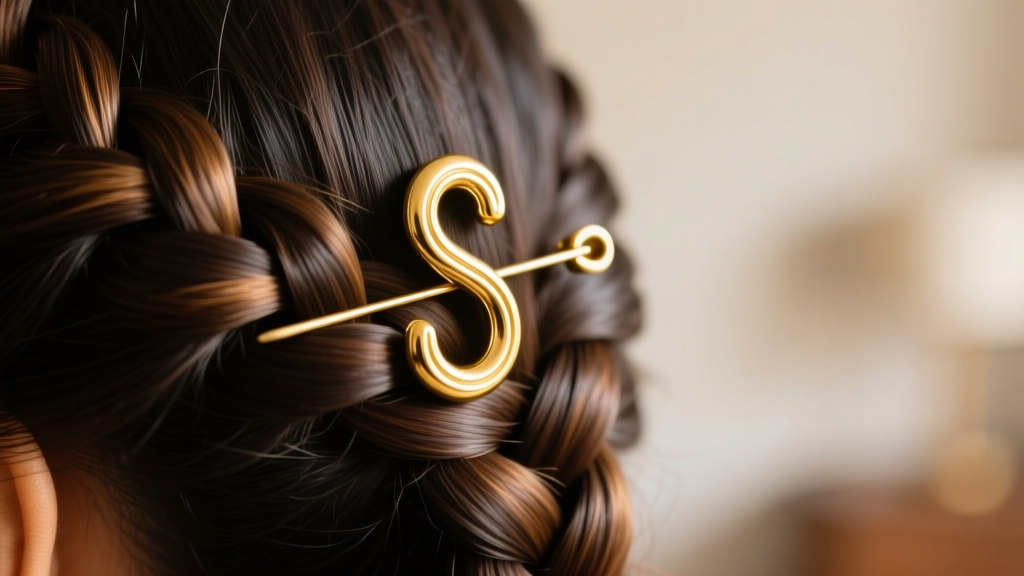
Traditional pieces utilize a simple wire 'S-hook' at the end of the chain. While authentic, S-hooks are notorious for slipping out of fine or silky hair. The Fix: Have a local jeweler replace the S-hook with a miniature 10mm lobster clasp, or use a small, clear silicone jewelry stopper (often sold for earring backs) threaded onto the wire hook to create friction against the hair.
The Bobby-Pin Cross-Lock
Once the hook is anchored into the bun or braid at the crown of the head, take two matte-finish bobby pins. Slide one horizontally through the loop of the chain and into the hair. Slide the second bobby pin vertically, creating an 'X' or cross-lock over the chain loop. This prevents the chain from lifting when the wearer nods.
The Double-Sided Fabric Tape Trick
For heavy central pendants (over 30 grams) that tend to flip upside down when the wearer leans forward, apply a 5mm dot of hypoallergenic, double-sided fashion tape to the flat reverse of the pendant. Press it gently against the skin of the forehead. This maintains the perfect drape without restricting natural facial expressions.
Sourcing and Authenticity: Where to Buy
When investing in fine or demi-fine forehead jewelry, provenance matters. For authentic Kundan and Meenakari (enameling) work, the Johari Bazaar in Jaipur remains the global epicenter. Here, artisans still use the ancient lac (resin) core technique to set stones, ensuring the jewelry has a distinct, slightly warm acoustic resonance when tapped, unlike the sharp 'clink' of modern cast brass.
For South Indian temple jewelry, which features heavy, matte-finished 22k gold depicting deities and peacocks, the artisanal hubs of Nagercoil and Chennai are unparalleled. These pieces are typically cast using the lost-wax method, resulting in a dense, substantial feel that requires the robust anchoring techniques detailed above.
Final Thoughts on Forehead Styling
The evolution of indian jewelry for forehead adornment is a masterclass in how ancient traditions can adapt to modern ergonomics and global aesthetics. Whether you are opting for a 12-gram oxidized silver tikka for a summer music festival or commissioning a 70-gram Polki matha patti for your wedding day, the key lies in respecting the mechanics of the piece. By understanding the material grades, mastering the physical anchoring techniques, and recognizing the hallmarks of authentic craftsmanship, you ensure that your jewelry remains a crown of empowerment rather than a burden of weight.


