How to Select Authentic Celtic Motherhood Knot Jewelry
Learn how to choose, authenticate, and care for Celtic motherhood knot jewelry with our step-by-step guide on metals, hallmarks, and styling.

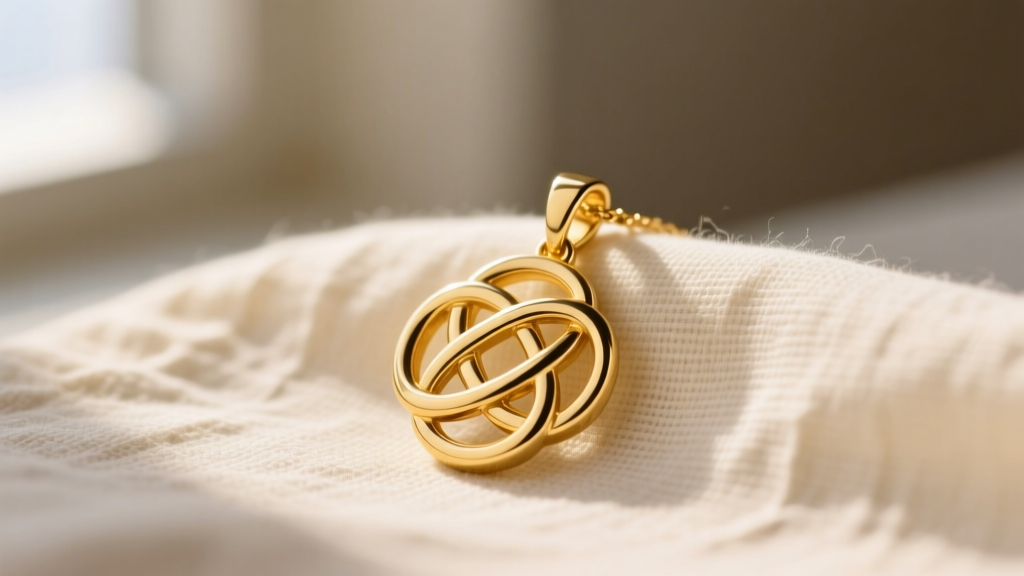
The Celtic motherhood knot, or Claddagh Motherhood Knot, is one of the most deeply emotional symbols in Irish heritage. Representing the unbreakable bond between a mother and her child through two intertwined hearts, this design has become a highly sought-after piece for generational gifting. However, the surge in global demand has flooded the market with mass-produced, structurally compromised imitations.
If you are investing in Celtic motherhood knot jewelry, you need to look beyond the aesthetic. This step-by-step guide will teach you how to authenticate Irish craftsmanship, decode metal hallmarks, select the proper chain gauges, and maintain the intricate antiqued finishes that give these pieces their signature depth.
Understanding the Symbolism and Structural Anatomy
Before evaluating the metal, you must understand the geometry of an authentic knot. The traditional Celtic motherhood knot features two distinct hearts woven into a continuous, endless line. One heart sits slightly lower than the other, symbolizing the parent and child. In high-quality castings, the 'weave' should show clear over-and-under intersections. Cheap stampings often flatten these intersections, resulting in a two-dimensional, lifeless appearance. Authentic pieces utilize a technique called 'antiquing'—where a dark patina is applied and then polished off the high points—to accentuate this three-dimensional weave.
Step 1: Decoding Metal Grades and Alloys
The longevity of your jewelry depends entirely on the base alloy. While the design is ancient, the metallurgy must meet modern durability standards. Here is how to evaluate the metal composition of your piece:
- 925 Sterling Silver: The most common and affordable choice. Ensure it is stamped '925'. Beware of 'Tibetan Silver' or 'Silver-plated' alternatives, which contain nickel and will cause contact dermatitis.
- 10k vs. 14k Gold: 10k gold (41.7% pure gold) is highly durable and resistant to scratching, making it ideal for daily-wear pendants. 14k gold (58.3% pure) offers a richer yellow hue and better hypoallergenic properties but comes at a 30-40% price premium.
- Platinum: Rarely used for traditional Irish knotwork due to its high melting point and cost, but if offered, it provides unmatched heirloom durability.
| Metal Grade | Purity | Durability | Best For | Avg. Price Range (USD) |
|---|---|---|---|---|
| 925 Sterling Silver | 92.5% Silver | Moderate (Tarnishes) | Everyday wear, budget-friendly gifting | $60 - $150 |
| 10k Yellow Gold | 41.7% Gold | High (Scratch resistant) | Active lifestyles, durable heirlooms | $250 - $450 |
| 14k Yellow Gold | 58.3% Gold | Moderate-High | Premium gifts, rich color preference | $450 - $850 |
| 18k Yellow Gold | 75.0% Gold | Moderate (Softer) | Luxury collectors, occasional wear | $900 - $1,500+ |
Step 2: Authenticating Irish Craftsmanship
The most critical step in buying authentic Celtic motherhood knot jewelry is verifying its origin. True Irish jewelry is regulated by the Dublin Assay Office, one of the oldest hallmarking institutions in the world, established in 1637.
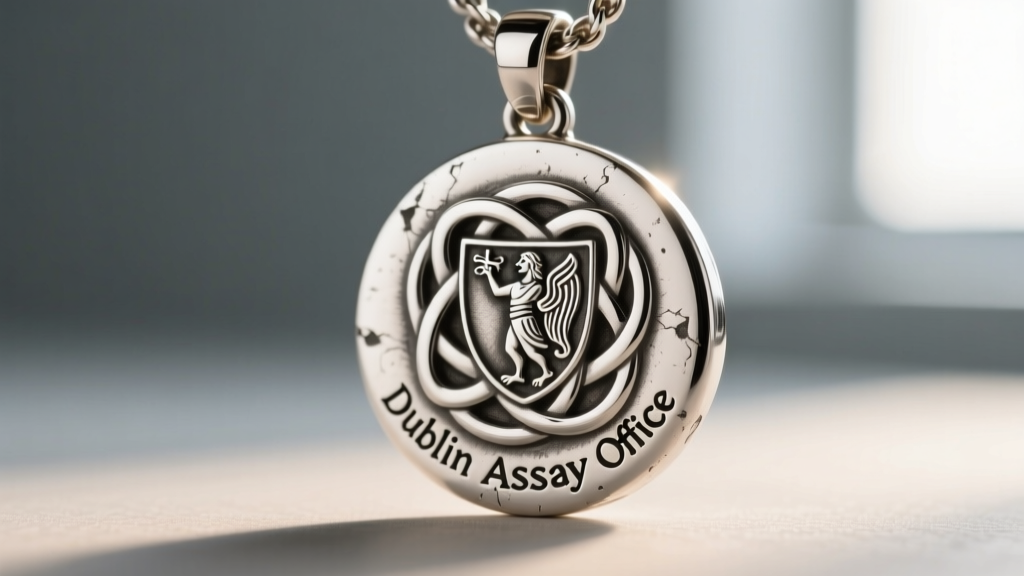
Reading the Hallmarks
Turn the pendant over. An authentic piece crafted in Ireland will bear three distinct marks stamped into the metal:
- The Hibernia Mark: A seated female figure representing Ireland. This guarantees the metal meets Irish purity standards.
- The Fineness Mark: A harp crowned with a cross (for gold) or a number like '925' (for silver).
- The Maker’s Mark: The unique initials or symbol of the jeweler (e.g., Solvar, Boru, or Fallers).
Expert Tip: If a retailer claims a piece is 'Irish designed' but lacks the Dublin Assay Office hallmark, it was likely manufactured overseas and merely imported. Always demand photographic proof of the hallmark before purchasing high-ticket gold items.
Lost-Wax Casting vs. Die-Striking
Authentic Irish jewelers use lost-wax casting, a method that captures the intricate, rounded edges of the knotwork. Mass-produced imitations are often die-struck or stamped from flat sheets of metal. Die-struck pieces will have sharp, unnatural edges on the back of the pendant and lack the deep, shadowed undercuts that make the knot look woven. Run your thumb over the back of the piece; it should feel smooth but retain the negative space of the weave.
Step 3: Matching the Chain Gauge and Clasp
A heavy, intricate knot pendant will easily snap a flimsy chain. According to IrishCentral, the cultural significance of these pieces demands they be worn daily, meaning your chain mechanics must be flawless.
- Chain Thickness: For standard silver or 10k gold motherhood knots (weighing 3 to 6 grams), select a chain between 1.2mm and 1.6mm. Anything thinner risks snapping; anything thicker overpowers the delicate knotwork.
- Chain Style: Opt for a Box Chain or a Rope Chain. Box chains offer excellent structural integrity and resist kinking, while rope chains complement the twisted aesthetic of Celtic knots.
- Clasp Mechanics: Avoid spring-ring clasps, which are notorious for failing under the pendulum weight of a knot pendant. Insist on a lobster claw clasp with a soldered jump ring for maximum security.
Step 4: Maintaining Antiqued and Polished Finishes
The contrast between the dark, oxidized recesses and the bright, polished high points is what gives Celtic motherhood knot jewelry its visual pop. Improper cleaning will destroy this finish in minutes.
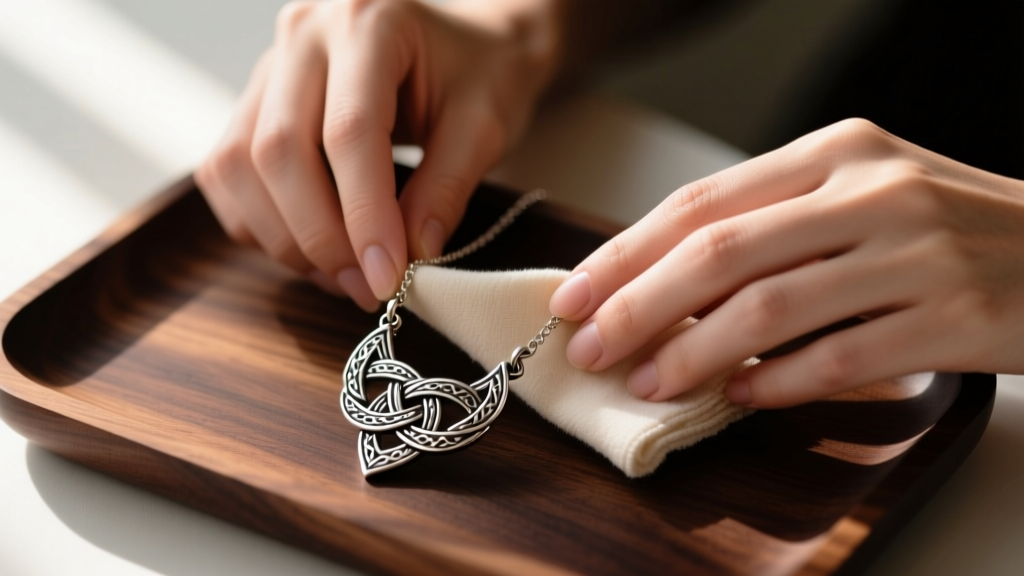
The Ultrasonic Cleaner Warning
Never put antiqued Celtic knotwork in an ultrasonic jewelry cleaner. The high-frequency vibrations and harsh chemical baths will strip the intentional oxidation from the deep crevices of the knot, leaving you with a flat, entirely bright silver or gold piece that lacks depth. Furthermore, if your piece features any inset birthstones (a common customization for motherhood knots), ultrasonic waves can fracture emeralds or opals.
Proper Cleaning Protocol
- Use a dry, untreated microfiber polishing cloth.
- Gently rub only the raised, high-polish surfaces of the hearts.
- Use a soft-bristled makeup brush to dust out the recessed, oxidized areas without applying pressure.
- Store the piece in an anti-tarnish flannel pouch to slow the natural oxidation of sterling silver.
Quick Reference: Trusted Irish Brand Matrix
To bypass the guesswork of authentication, focus your search on heritage brands that manufacture exclusively in Ireland and carry the Assay Office hallmark.
| Brand | Specialty | Price Tier | Best Feature |
|---|---|---|---|
| Solvar | Classic Sterling & 10k/14k Gold | Mid-Range | Exceptional antiquing and deep undercuts in casting. |
| Boru Jewelry | Modern interpretations, mixed metals | Premium | Contemporary sizing and robust chain pairings. |
| Fallers | Traditional Galway craftsmanship | Mid-to-High | Hand-finished details and bespoke engraving options. |
Selecting the right Celtic motherhood knot jewelry is an exercise in cultural appreciation and metallurgical scrutiny. By demanding the Dublin Assay Office hallmark, selecting the correct chain gauge, and respecting the antiqued finish during cleaning, you ensure that the symbol of the unbreakable maternal bond remains physically unbreakable for generations to come.


