How to Style and Authenticate Solid Gold Greek Key Jewelry
Learn how to authenticate, style, and care for solid gold Greek key jewelry. Discover karat guides, meander motif history, and modern wardrobe tips.

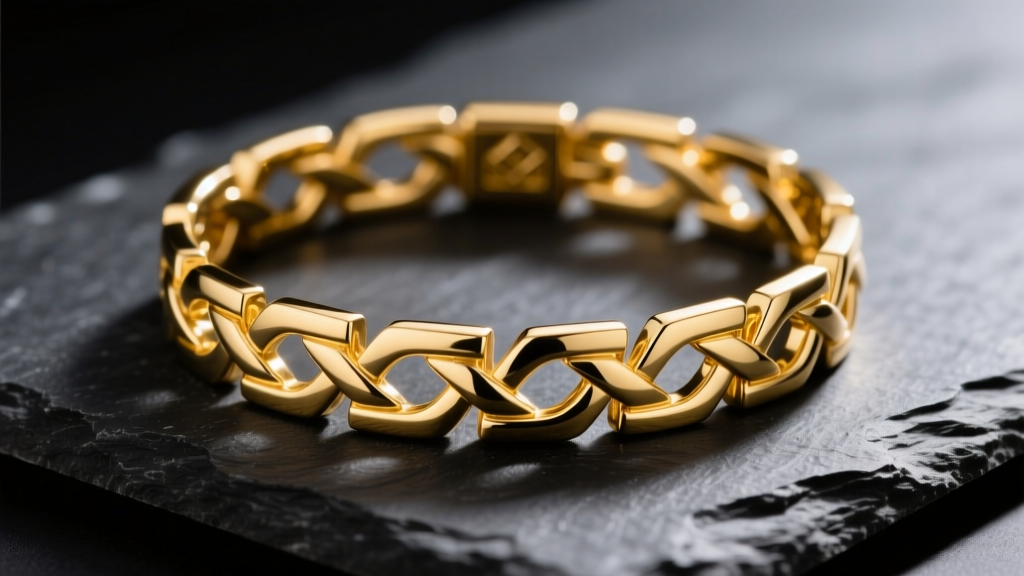
The Enduring Appeal of the Meander Motif
The Greek key motif, historically known as the meander, is one of the most recognizable and enduring symbols in ancient art. Named after the twisting Meander River in Asia Minor, this continuous geometric line represents infinity, unity, and the eternal flow of life. Today, Greek key jewelry remains a staple in both heritage collections and modern minimalist wardrobes. However, the market is saturated with cheap, gold-plated brass replicas sold in tourist shops across the Mediterranean. For the serious collector or style-conscious buyer, knowing how to authenticate, evaluate, and style solid gold Greek key jewelry is essential. This step-by-step guide will help you navigate karat weights, craftsmanship markers, and modern styling techniques to ensure your investment is both genuine and timeless.
Step 1: Authenticating the Metal (Karat & Hallmarks)
The first step in acquiring high-quality Greek key jewelry is verifying the metal purity. The intricate, sharp 90-degree angles of the meander pattern require specific metallurgical properties. Pure 24k gold is far too soft to hold these crisp geometric edges without bending or warping over time. Therefore, reputable jewelers alloy gold with metals like copper, silver, or zinc to increase durability.
When examining a piece, always look for the stamped hallmark. In Europe and the Mediterranean, you will typically see numerical millesimal fineness marks rather than the 'K' system commonly used in the United States. According to the Gemological Institute of America (GIA), understanding these stamps is your first line of defense against gold-plated fakes.
| Karat / Stamp | Gold Purity | Durability & Edge Retention | Best Jewelry Application |
|---|---|---|---|
| 14k / 585 | 58.5% | Excellent; holds sharp die-struck corners perfectly. | Everyday rings, heavy bangles, intricate bracelets. |
| 18k / 750 | 75.0% | Very Good; rich color but slightly softer edges. | Pendants, statement cuffs, luxury wedding bands. |
| 22k / 916 | 91.6% | Poor for sharp geometry; prone to corner denting. | Smooth cast pendants, traditional heritage pieces. |
Pro Tip: If a piece features extremely sharp, razor-crisp meander corners but is stamped 22k or 24k, it is highly likely to be a modern cast replica or gold-plated base metal, as pure gold cannot maintain such precise structural integrity under daily wear.
Step 2: Evaluating Meander Craftsmanship
Not all Greek key jewelry is created equal. The method used to form the meander pattern drastically affects the piece's longevity, weight, and visual appeal. There are three primary manufacturing techniques you will encounter:
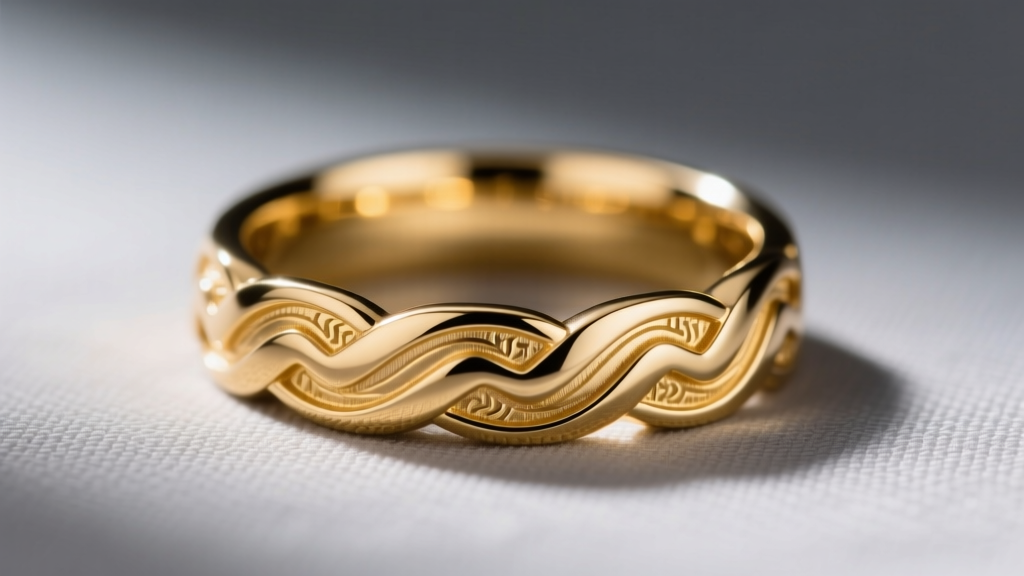
Die-Striking vs. Casting
Die-striking involves using immense hydraulic pressure to stamp the meander pattern into a solid sheet of gold. This process compresses the metal's molecular structure, resulting in a denser, harder, and more brilliant piece. Die-struck Greek key bracelets and rings will feature razor-sharp corners and a continuous, unbroken line. Casting, on the other hand, involves pouring molten gold into a mold. Cast pieces often have slightly rounded edges, microscopic porosity (tiny surface pits), and a softer luster. For geometric motifs like the Greek key, die-striking is the superior, albeit more expensive, method.
The 'Continuous Line' Test
Historically, the meander represents an eternal, unbroken path. When inspecting a high-end piece, trace the line with your eye. In premium Greek key jewelry, the pattern should wrap around the band or link seamlessly without awkward visual breaks, mismatched proportions, or visible solder joints interrupting the flow of the geometry.
Step 3: Selecting the Right Clasp Mechanism
The clasp is often the weakest point of any bracelet or necklace, and the heavy, structured nature of Greek key link bracelets requires specialized hardware. Avoid standard spring-ring clasps, which can easily snap under the weight of solid gold meander links.
- Box Clasps with Safety Catches: The gold standard for Greek key bracelets. The box clasp integrates seamlessly into the geometric pattern, maintaining the continuous line, while the figure-eight safety catches prevent loss if the primary lever fails.
- Lobster Clasps: Acceptable for lighter Greek key chain necklaces, but ensure the jump ring is soldered closed. An unsoldered jump ring will eventually pull apart under the tension of the heavy meander pendant.
- Tongue and Groove: Common in rigid Greek key bangles. Ensure the tongue has a slight spring tension and locks in with an audible 'click'.
Step 4: Styling Greek Key Jewelry for Modern Wardrobes
The biggest risk when wearing cultural heritage jewelry is looking like you are wearing a historical costume. The key to styling Greek key jewelry in 2026 is contrast and minimalism. Let the architectural geometry of the meander do the heavy lifting.

The Rule of Singular Focus
Because the Greek key pattern is visually complex and highly structured, avoid wearing a meander bracelet, necklace, and earrings simultaneously. Choose one hero piece—such as a wide, die-struck 14k gold meander cuff—and pair it with simple, untextured garments. A crisp white linen button-down, a tailored charcoal blazer, or a sleek black turtleneck provides the perfect negative space to highlight the gold's intricate geometry.
Mixing Metals and Textures
While traditionalists may insist on head-to-toe yellow gold, modern styling embraces mixed metals. A yellow gold Greek key pendant layered with a delicate, oxidized sterling silver cable chain creates a striking, contemporary contrast that bridges ancient history with modern edge.
Step 5: Ultrasonic Cleaning and Maintenance Protocols
The deep, 90-degree crevices of the Greek key motif are notorious for trapping sebum, dead skin cells, lotions, and environmental dust. Over time, this buildup creates a dull, grayish film that robs the gold of its brilliance. Standard polishing cloths cannot reach into these microscopic geometric valleys.
The Safe Cleaning Method
- Preparation: Mix a few drops of mild, phosphate-free dish soap (like Dawn) into a bowl of warm distilled water. Avoid tap water, as chlorine and hard minerals can cause stress corrosion cracking in 14k and 18k gold alloys over time.
- Agitation: Submerge the jewelry for 15 minutes. Use an extra-soft baby toothbrush to gently agitate the crevices. Never use stiff-bristled brushes, as they can leave micro-scratches on the high-polish surfaces of the meander lines.
- Rinsing & Drying: Rinse thoroughly under lukewarm distilled water. Pat dry with a lint-free microfiber cloth, and use a can of compressed air to blow out any remaining moisture trapped in the deep corners of the key pattern.
Warning: Never use harsh chemical dips or silver polishes on your Greek key jewelry. Furthermore, remove your gold meander rings and bracelets before entering swimming pools or hot tubs. The high chlorine concentrations will rapidly degrade the copper and zinc alloys in 14k and 18k gold, leading to catastrophic structural failure and prong loss.
Troubleshooting Common Greek Key Jewelry Failures
Even well-crafted pieces can experience wear and tear. Here is how to identify and address common issues specific to the meander design:
- Corner Snagging: If the sharp corners of your meander links are catching on silk or knitwear, a jeweler can perform a 'micro-bevel' to slightly soften the outermost edges without ruining the geometric illusion.
- Solder Joint Fatigue: On continuous meander bangles, the single solder joint where the circle closes is a stress point. Inspect this area annually for hairline cracks, especially if you frequently bend the bangle to put it on.
- Pattern Misalignment: If a link in a bracelet is twisted, do not force it back into place with pliers. The rigid geometry will snap. Take it to a professional who can use specialized nylon-jawed parallel pliers to realign the link safely.
Final Thoughts on Sourcing and Heritage
When investing in authentic Greek key jewelry, provenance matters. While you can find exceptional vintage pieces from mid-century Greek jewelers like Ilias Lalaounis—who famously revived ancient Hellenistic goldsmithing techniques—modern artisans in Athens and Thessaloniki continue to produce masterful die-struck meander pieces. For deeper historical context on the motif's origins in the Geometric period of ancient Greece, the Metropolitan Museum of Art's Heilbrunn Timeline of Art History offers invaluable insights into how this continuous line has fascinated humanity for millennia. By prioritizing metal purity, structural craftsmanship, and mindful styling, your Greek key jewelry will remain a sophisticated, wearable piece of history for generations to come.


