Traditional Indian Jewelry: 2026 Budget & Value Guide
Discover how to evaluate traditional Indian jewelry in 2026. Learn gold purity standards, making charges, and budget tips for Kundan and Temple pieces.

The Economics of Traditional Indian Jewelry in 2026
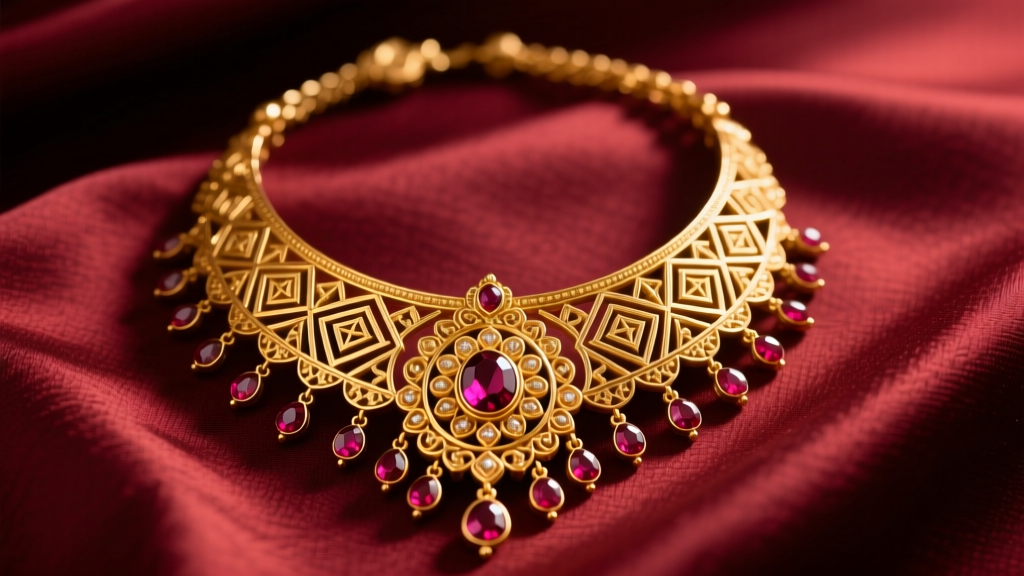
As we navigate the luxury market in 2026, the allure of traditional Indian jewelry remains undiminished. However, with global gold prices experiencing unprecedented volatility and reaching historic highs over the past eighteen months, acquiring these heritage pieces requires more than just an eye for aesthetics—it demands rigorous financial literacy. Whether you are building a multi-generational bridal trousseau, investing in heirloom pieces, or simply adding a cultural touchstone to your everyday collection, understanding the underlying economics of Indian goldsmithing is paramount. This guide dissects the pricing architecture of traditional Indian jewelry, equipping you with the exact frameworks needed to assess value, negotiate making charges, and allocate your budget effectively across different regional styles.
Decoding Purity: 22K vs. 18K vs. Silver Bases
The foundation of value in Indian jewelry lies in its metallurgical purity. Historically, Indian jewelers favored 22-karat (91.6% pure) gold for its rich, buttery yellow hue and malleability, which is essential for intricate hand-beating and repoussé techniques. However, 22K gold is inherently too soft to securely hold heavy gemstone settings or withstand the tension of modern prong work. According to the Bureau of Indian Standards (BIS), the mandatory hallmarking system strictly categorizes these purities to protect consumers.
For plain gold pieces like the classic Kadas (thick bangles) or Manga Malai (mango-shaped necklaces), 22K (marked as 916) is the undisputed standard and holds the highest resale liquidity. Conversely, if you are purchasing Polki, Kundan, or diamond-encrusted pieces, the gold base must be 18K (750 purity) or 14K (585 purity) to ensure the structural integrity of the settings. In 2026, a growing budget-conscious demographic is turning to sterling silver bases heavily plated with 22K gold (often termed chandi-ka-zevar) for massive bridal sets. This strategic material swap reduces the base metal cost by up to 85% while retaining the visual opulence of traditional designs, provided the plating is at least 3 microns thick to prevent premature wear.
The Hidden Multiplier: Making Charges and Wastage
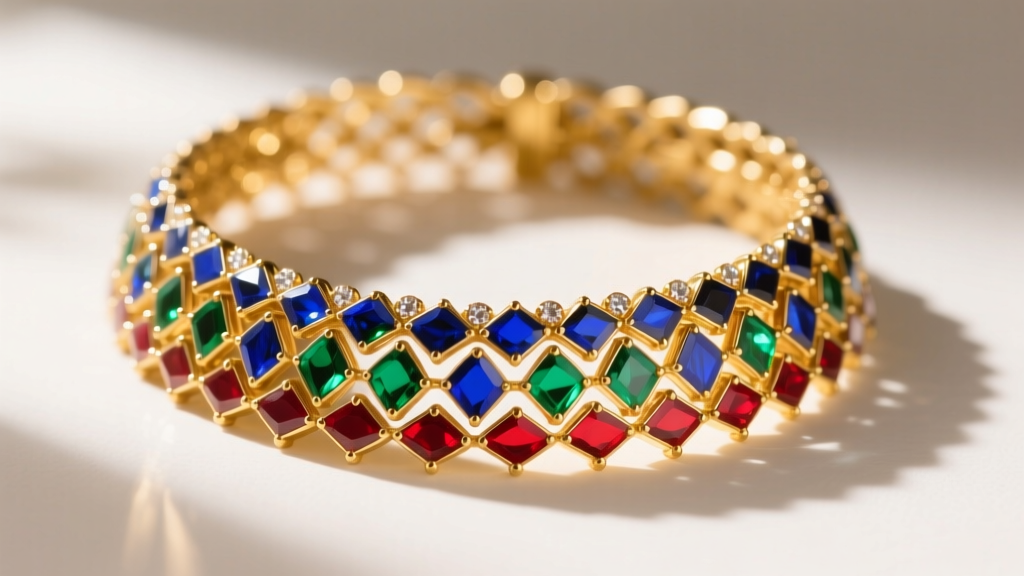
The most opaque aspect of purchasing traditional Indian jewelry is the making charge (locally known as Majoori or Ghaat). Unlike the gold rate, which is a globally traded commodity, making charges are entirely subjective. They represent the artisan's labor, design complexity, and the jeweler's retail overhead. A simple machine-extruded gold chain might carry a making charge of 8% to 12% above the gold weight's intrinsic value. In stark contrast, a handcrafted Temple necklace featuring intricate deity motifs, granulation, and ruby cabochon settings can command making charges ranging from 25% to over 40%.
Furthermore, some legacy jewelers still apply a "wastage" or "melt loss" charge (typically 2% to 5%). This is a historical artifact from an era when gold was melted and cast in open crucibles, resulting in actual material loss. In modern, closed-loop refining environments, this charge is largely a profit-padding mechanism. When negotiating in major hubs like Mumbai's Zaveri Bazaar or Delhi's Karol Bagh, always ask the jeweler to consolidate the wastage and making charge into a single, transparent percentage.
The 2026 Cost Breakdown Formula
To accurately assess the final out-of-pocket cost and avoid hidden markups, use this standardized pricing formula before authorizing any purchase:
Final Price = (Gold Weight in Grams × Current Daily Rate) + (Making Charge %) + Gemstone Cost (if billed separately) + 3% GST
Never accept a lump-sum quote without requesting a granular, itemized invoice that separates the gold weight, stone weight, and labor charges.
Regional Styles: Value and Budget Comparison
Different regional styles carry vastly different labor premiums and material requirements. Understanding these nuances allows you to pivot your budget toward styles that offer the highest visual impact for your investment.
| Regional Style | Primary Base Metal | Avg. Making Charge | Budget Tier | Best Budget Alternative |
|---|---|---|---|---|
| Temple (Kemp) | 22K Gold | 25% - 40% | High | Gold-plated brass with synthetic rubies |
| Polki | 18K/22K Gold | 30% - 50% | Ultra-High | Kundan (glass foil inlay) |
| Meenakari | 18K Gold / Silver | 20% - 35% | Medium-High | Sterling silver base with cold enamel |
| Tarakasi (Filigree) | Sterling Silver | 40% - 60% | Medium | Machine-stamped silver lace |
| Jadau | 22K/24K Gold | 35% - 55% | Ultra-High | Meenakari reverse with Kundan front |
Strategic Compromises: Maximizing Your Bridal Trousseau
Building a comprehensive traditional Indian jewelry collection on a strict budget requires knowing where to invest in solid assets and where to embrace smart compromises.
- The Polki vs. Kundan Pivot: Polki utilizes uncut, naturally faceted diamonds, making it exceptionally expensive. Kundan uses highly refined glass or foil inlays set in 24K gold strips. From a distance of three feet, the visual difference is negligible to the untrained eye, but the price difference can exceed 500%. Opt for Kundan for massive statement chokers and reserve Polki for smaller, everyday pieces like rings or studs.
- Mix and Match Metals: Wear a heavy, investment-grade 22K gold Vanki (armlet) and solid gold bangles, but pair them with lighter 18K gold or silver-foil Kundan Jhumkas (bell earrings). This draws the eye to the gold on your wrists while saving thousands on ear-wear.
- Hair and Waist Accessories: Traditional bridal hair pins (Jada Billai) and waist belts (Oddiyanam) are worn for only a few hours during the ceremony and rarely touch bare skin. These are prime candidates for gold-plated silver or high-quality gold-plated brass, freeing up significant capital for your core necklace and bangle sets.
Verifying Authenticity and Avoiding Tourist Traps
The proliferation of heritage-style jewelry in tourist markets has led to an increase in counterfeit pieces. In places like Jaipur's Johari Bazaar or Delhi's Chandni Chowk, vendors often sell "antique" oxidized silver or Kundan that is actually crafted from brass, lead, or nickel-alloys. These base metals not only lack intrinsic value but can cause severe contact dermatitis when the plating wears off and reacts with sweat.
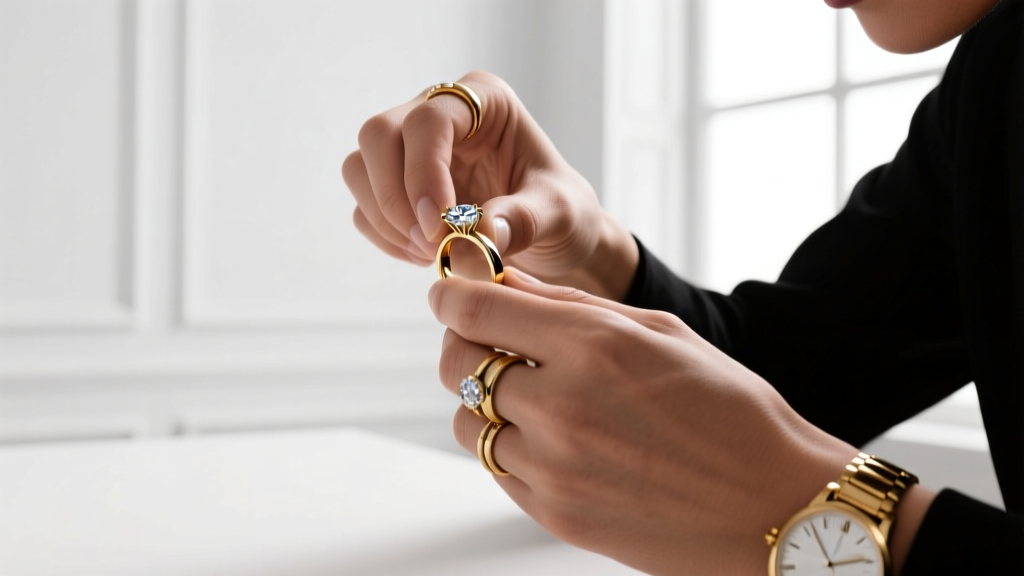
Always demand the 6-digit HUID (Hallmark Unique Identification) code on any gold piece and verify it in real-time using the official BIS Care App. For silver items, look for the 925 stamp. According to the Gems and Jewellery Export Promotion Council (GJEPC), strict adherence to hallmarking is the single most effective tool consumers have against adulterated alloys. If a jeweler hesitates to provide a HUID code or claims that "antique finishes don't need hallmarking," walk away immediately. True value in traditional Indian jewelry is inextricably linked to verifiable metallurgical integrity.
Expert Rule of Thumb: "Never pay 22K gold making charges on a piece that relies heavily on 18K structural prongs. Always ask for a karatage breakdown of the entire piece, not just the main body, to ensure you aren't overpaying for lower-purity gold disguised under a single hallmark."
Final Verdict: Maximizing Your Investment
Acquiring traditional Indian jewelry in 2026 is a balancing act between honoring centuries-old artisanal techniques and navigating a ruthless commodities market. By understanding the strict boundaries of BIS hallmarking, aggressively negotiating consolidated making charges, and strategically substituting base metals in low-wear accessories, you can build a breathtaking, culturally rich collection without compromising your financial stability. True luxury lies not in blind spending, but in the educated appreciation of the craft and the raw materials that define it.


