Antique Button Jewelry: The Ultimate Collector's Buying Guide
Discover how to identify, date, and value antique button jewelry. Learn material testing, shank anatomy, and market pricing in our expert guide.

The Allure of Antique Button Jewelry: More Than Just Fasteners
In the world of vintage adornments, antique button jewelry occupies a fascinating and highly collectible niche. Originally designed as purely utilitarian fasteners, buttons evolved into miniature canvases of decorative art during the 18th and 19th centuries. Today, in 2026, the trend of "heritage upcycling" has propelled antique button jewelry into the spotlight, with collectors and bespoke jewelers transforming orphaned historical buttons into one-of-a-kind brooches, pendants, and statement rings. Whether you are hunting for Georgian cut steel, Victorian mourning jet, or Art Nouveau guilloché enamel, knowing how to properly identify, date, and evaluate these pieces is critical. This comprehensive buying guide will equip you with the expert knowledge needed to navigate the market, avoid costly reproductions, and build a museum-worthy collection.
Decoding Materials: What Your Antique Buttons Are Made Of
The value of antique button jewelry is intrinsically tied to its material composition. Manufacturers utilized a vast array of natural and synthetic materials, each requiring specific identification techniques.
Natural Materials: Jet, Horn, and Vulcanite
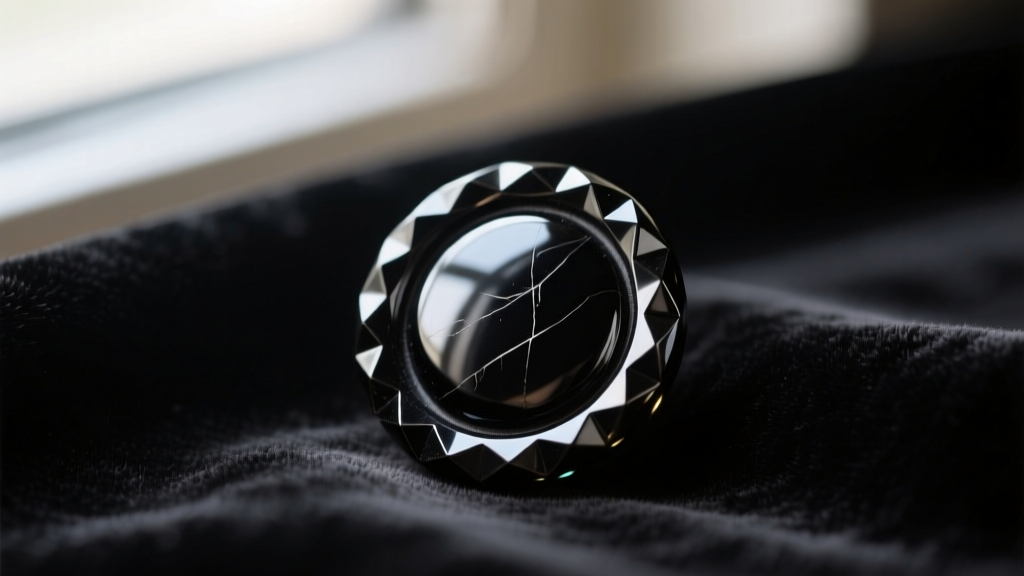
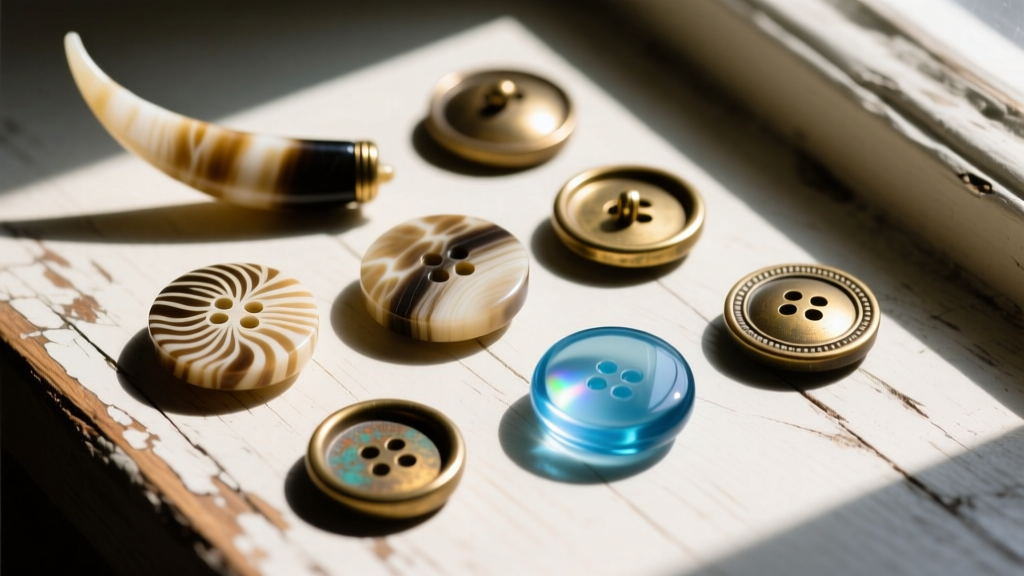
Mourning jewelry reached its zenith during the Victorian era, driving the demand for black materials. Whitby Jet is fossilized wood, incredibly lightweight, and warm to the touch. When rubbed gently against unglazed porcelain, true jet leaves a brown streak. In contrast, French Jet is actually black glass; it is heavier, cold to the touch, and leaves no streak on porcelain. Vulcanite (hardened rubber) was another popular mourning material. When warmed by friction, vulcanite emits a faint, distinct smell of burning rubber. Carved Horn and Tortoiseshell were also prevalent, often molded into intricate floral or cameo designs. According to the Victoria and Albert Museum, the craftsmanship of molded horn buttons in the mid-19th century rivaled that of fine cameo carvers.
Glass, Enamel, and Ceramics
Bristol Glass buttons, characterized by their opaque, milky-blue or green hues, are highly sought after. Cloisonné and Guilloché enamel buttons, popular in the Art Nouveau and Art Deco periods, feature vibrant, glass-like finishes over stamped metal bases. Beware of modern resin reproductions; true enamel will feel cold and hard, whereas resin will feel slightly warm and yield to a hot pin test.
Metals and Alloys
Cut Steel buttons feature tiny, faceted steel rivets set into a brass or iron base. They were designed to mimic diamonds but are highly susceptible to rust if exposed to moisture. Pinchbeck, an alloy of copper and zinc, was used to imitate gold without the tarnishing issues of base metals. Sterling Silver buttons will typically bear hallmark stamps, though many silver-plated buttons lack the wear resistance of solid silver.
The Anatomy of a Button: Shank Types and Construction
While the face of the button dictates its aesthetic appeal, the back of the button—specifically the shank—holds the key to its age and authenticity. The National Button Society emphasizes that shank construction is the most reliable method for dating antique buttons.
| Shank Type | Era / Date Range | Identifying Characteristics |
|---|---|---|
| Soldered Wire Loop | Pre-1850s | A separate wire loop soldered onto the back of a flat metal or glass button face. Solder joints are often visible and slightly irregular. |
| One-Piece Brass | 1850 - 1900 | The shank is stamped as part of the single piece of metal. Often features a raised rim and a smooth, rounded loop. |
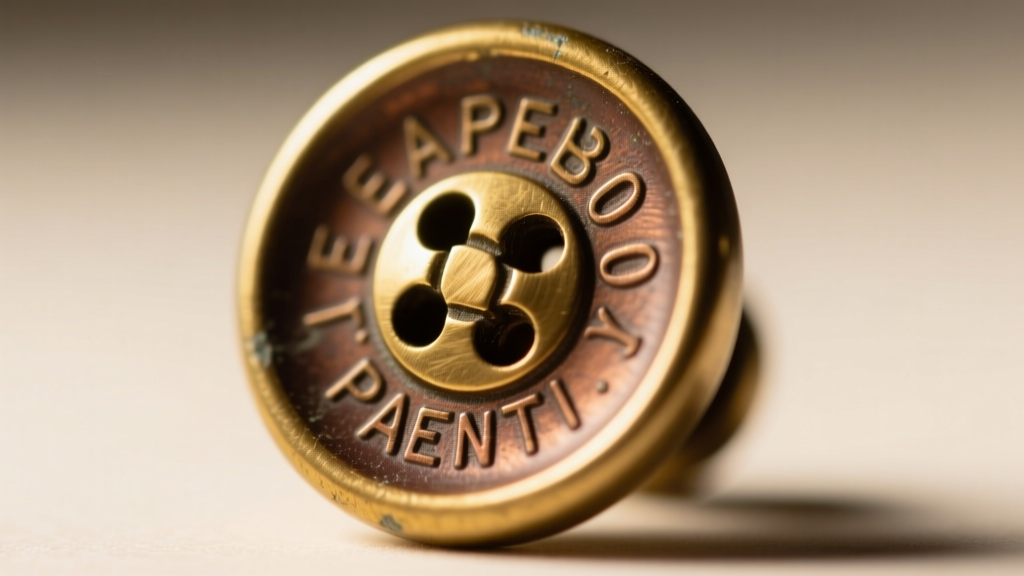
| Alpha / Numerical Shank | 1870 - 1920 | Stamped with letters or numbers indicating patents or makers (e.g., "Bates", "Adams", or "Pat. Sept 4"). Highly collectible. |
| Self-Shank (Plastic) | Post-1920s | The shank is molded directly from the same piece of material (usually early plastics like Bakelite or celluloid). Indicates a later vintage piece. |
Valuation and Pricing: What to Expect in the Current Market
The market for antique button jewelry has matured significantly. While you can still find bargain bin treasures, museum-grade pieces command premium prices. Here is a realistic pricing framework for 2026:
- Tier 1: Common & Utilitarian ($5 – $25)
Plain stamped brass, simple cut steel with minor rust, or mass-produced black glass mourning buttons. These are excellent for beginners or for melting down into mixed-media art. - Tier 2: Collectible & Decorative ($40 – $150)
Art Nouveau guilloché enamel, intricately carved horn, micro-mosaic (glass or stone), and signed alpha-shank brass buttons. These are highly desirable for conversion into bespoke pendants or brooches. - Tier 3: Rare & Museum Grade ($300 – $2,000+)
Georgian paste (early glass) set in silver, early 19th-century Roman micro-mosaics, signed Art Deco luxury buttons, and rare pictorial buttons featuring historical events or specific folklore scenes.
Red Flags: Spotting Fakes, Reproductions, and "Franken-Buttons"
As the popularity of antique button jewelry grows, so does the prevalence of fakes. Here is what you must look out for before making a purchase:
"The most common deception in the hobby is the 'Franken-button.' Unscrupulous sellers will take a beautiful, damaged antique button face, snap off the broken shank, and glue it onto a modern, mass-produced plastic back. Always inspect the seam where the face meets the shank under a jeweler's loupe."
Mold Lines: If you are looking at a button advertised as "carved horn" or "carved shell," examine the edges closely. If you see a faint, raised vertical line running down the side, it is a mold line. This indicates the piece was cast in a mold using modern resin or plastic, not carved by hand.
Uniform Patina: Antique metal buttons should have a natural, uneven patina, especially in the crevices of the design. If a brass button has a perfectly uniform, shiny "antique" finish, it has likely been chemically treated or is a modern reproduction.
Weight Discrepancies: Pick up the button. Early glass and ceramic buttons have a specific heft. Modern plastic reproductions, even those painted to look like glass or jet, will feel unnervingly light.
How to Wear and Style Antique Button Jewelry Today
The beauty of collecting antique buttons is their versatility. While keeping them in archival display boxes preserves their historical integrity, the modern collector often prefers to wear them. When converting a button into a piece of jewelry, preservation is key.
Brooch Conversions: Avoid soldering directly onto antique metal buttons, as the heat can shatter glass faces, melt enamel, or ruin the patina. Instead, use a high-quality, jewelry-grade two-part epoxy to attach a flat glue-on brooch bail to the back. If the original shank is intact, you can carefully snip it off with flush cutters, sand the area smooth, and then apply the bail.
Pendants and Necklaces: For buttons with intact wire loop shanks, simply thread a delicate gold or silver chain through the loop. This is a non-destructive method that allows you to wear the piece while keeping the button entirely intact for future generations.
Button Covers: If you possess a set of matching, high-value antique buttons, consider purchasing modern "button covers." These are hinged metal domes that snap over a standard modern shirt button, allowing you to display your antique set on a blouse or jacket without permanently altering the garments or the buttons themselves.
Final Thoughts for the Aspiring Collector
Collecting antique button jewelry is a rewarding pursuit that blends historical research with aesthetic appreciation. By mastering material identification, understanding shank anatomy, and keeping a watchful eye for reproductions, you can curate a collection that is both historically significant and visually stunning. Always buy from reputable dealers who offer a guarantee of authenticity, and never hesitate to consult the extensive archives of historical societies when you encounter a truly puzzling piece.


