Identifying Antique Bakelite Jewelry: A Beginner Guide
Learn how to identify, test, and value antique bakelite jewelry. Discover Simichrome tests, pricing guides, and styling tips for beginners.

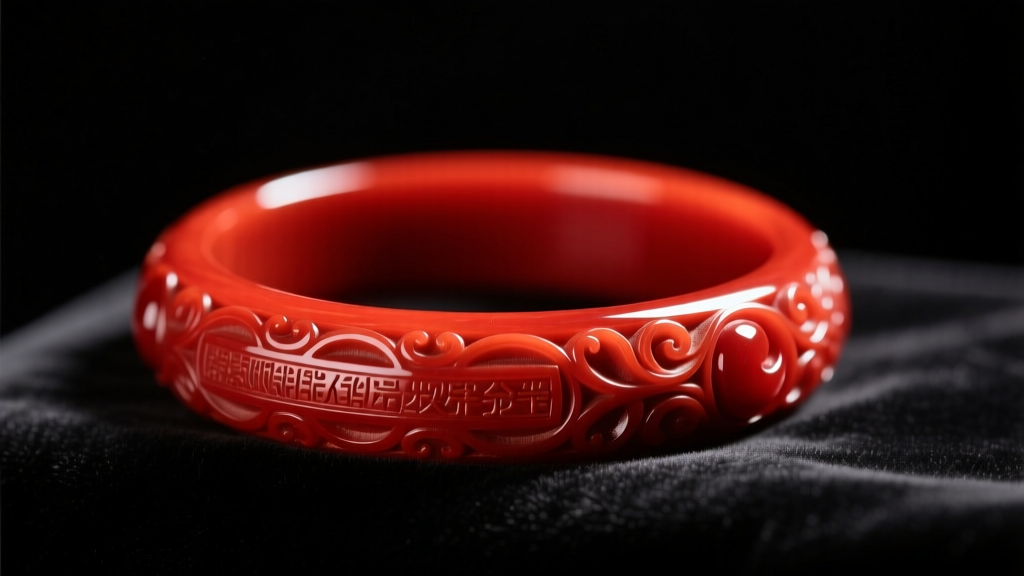
What Exactly is Bakelite? The Chemistry of Vintage Plastics
Before you can confidently collect antique bakelite jewelry, you need to understand what you are actually holding. Invented in 1907 by Leo Baekeland, Bakelite is a phenol-formaldehyde resin. It was the world’s first fully synthetic plastic. While initially used for electrical insulators and radio housings due to its non-conductive and heat-resistant properties, the Great Depression era saw a massive pivot. Designers realized that Bakelite could be cast into vibrant, opaque colors, carved by hand, and polished to a high glass-like shine.
Unlike modern injection-molded plastics, authentic Bakelite from the 1920s to 1940s was cast into large rods, tubes, and blocks. Jewelers and artisans then sliced, lathed, and hand-carved these blocks into the stunning bangles, brooches, and dress clips we covet today. This casting process is the single most important factor in identifying genuine pieces, as it dictates the physical and chemical tests we use to authenticate them.
The 4 Definitive Tests for Authentic Antique Bakelite Jewelry
Because modern acrylics and vintage fakes flood the market, relying on visual inspection alone is a beginner's mistake. Professional dealers use a multi-point testing framework. Here is how to test your pieces safely and accurately.
1. The Hot Water Test (The Olfactory Method)
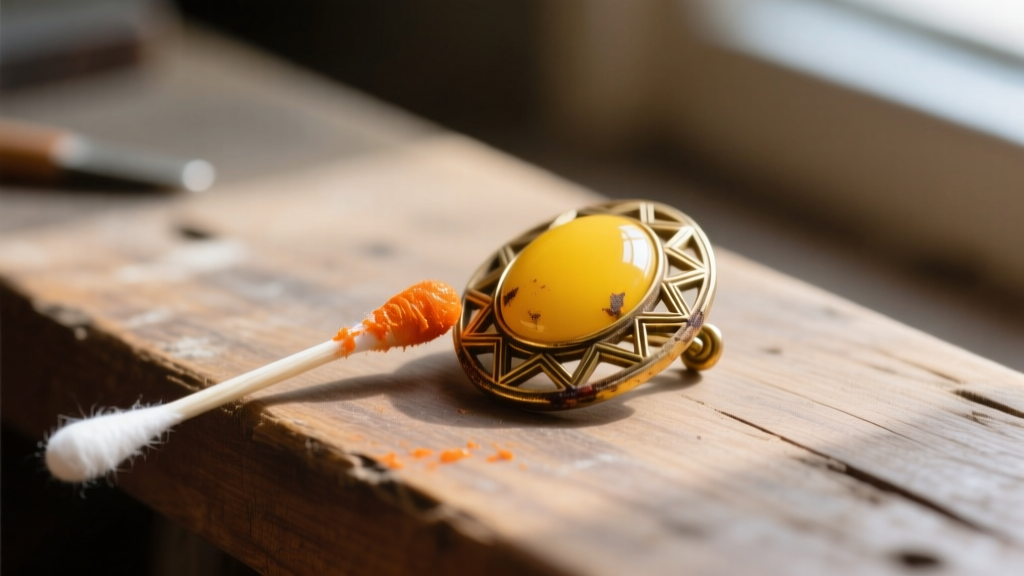
This is the safest and most reliable test for beginners. Bakelite emits a very distinct chemical odor when heated. Run hot tap water (around 150°F to 160°F) over a small, inconspicuous area of the jewelry for 15 to 30 seconds. Alternatively, dip a cotton swab in hot water and rub it vigorously on the piece. Immediately smell the swab or the jewelry. Authentic Bakelite smells sharply of formaldehyde, phenol, or a harsh chemical solvent. If it smells like camphor, you are likely holding Celluloid. If it smells like burnt milk or has no odor, it is a modern acrylic or Lucite.
2. The 365nm UV Light Test
With the original formula of Simichrome polish (a staple testing cream for decades) becoming discontinued and highly scarce, collectors have pivoted to ultraviolet testing. Shine a longwave 365nm UV flashlight on the piece in a dark room. Authentic, un-lacquered Bakelite will fluoresce a milky orange, peach, or yellowish-orange glow. Modern plastics will typically glow a dull purple or not fluoresce at all. Note: heavily polished or lacquered pieces may have their fluorescence blocked, so test multiple areas.
3. The Acoustic and Weight Test
Bakelite is remarkably dense. Pick up a suspected bangle; it should feel surprisingly heavy for its size, much heavier than modern resin. Next, gently tap two Bakelite bangles together. Authentic pieces produce a deep, resonant, low-pitched "clunk." Modern acrylics and celluloids produce a high-pitched, sharp "click."
4. The Mold Seam Inspection
Because Bakelite was machined from cast blocks, it never has a vertical mold line. Run your fingernail along the edges and the interior circumference of a bangle. If you feel a distinct raised seam where two halves of a mold met, you are holding an injection-molded modern fake or a piece of poured celluloid.
Bakelite vs. Catalin vs. Celluloid: A Quick Comparison
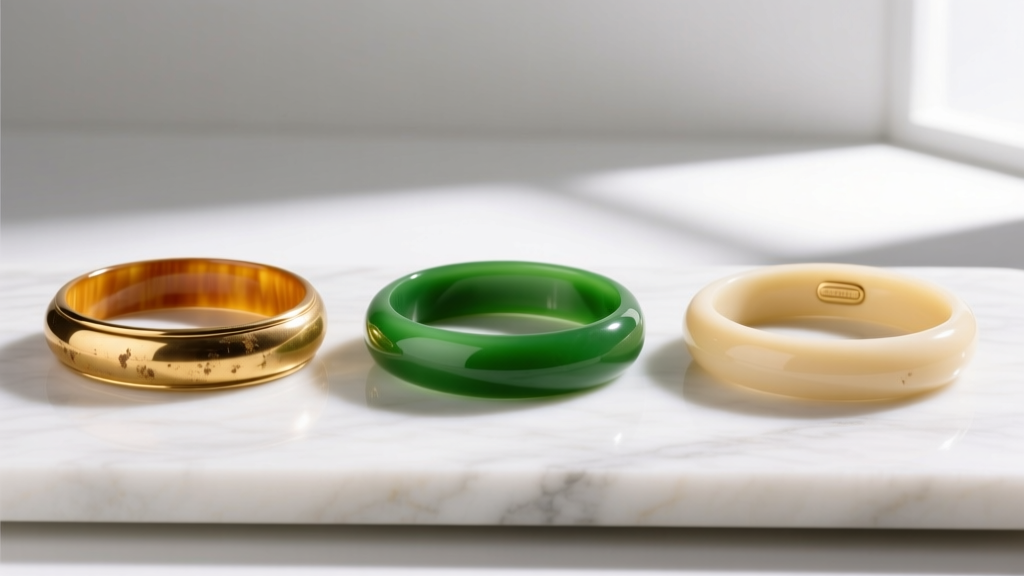
Beginners often confuse early plastics. While Catalin is technically a brand name for a similar phenolic resin, it behaves slightly differently in jewelry. Use this table to differentiate the "Big Three" vintage plastics.
| Material | Base Chemistry | Visual Traits | Weight & Sound | Hot Water Smell |
|---|---|---|---|---|
| Bakelite | Phenol-Formaldehyde | Opaque, deeply saturated colors, heavy carving | Very heavy; deep "clunk" | Harsh formaldehyde/chemical |
| Catalin | Phenol-Formaldehyde (cast) | Translucent, marbled, prone to UV darkening | Heavy; deep "clunk" | Harsh formaldehyde/chemical |
| Celluloid | Nitrocellulose & Camphor | Lightweight, often mimics tortoiseshell or ivory | Light; high-pitched "click" | Strong camphor (Vicks VapoRub) |
Valuation and Pricing: The 2026 Market Guide
The market for antique bakelite jewelry has stabilized, but rarity and condition dictate massive price swings. Collectors categorize pieces by color and construction. According to market data tracked by Antique Trader, here is what you should expect to pay at reputable estate sales and auctions today:
- Simple Molded Bangles (Opaque colors): $75 – $200. These are entry-level pieces, often featuring simple geometric Art Deco lines.
- Carved Hinged Bangles: $400 – $1,500+. Hinged bangles require complex internal brass hardware and precise carving. Colors like "Apple Juice" (translucent yellow) and "Creamed Corn" (opaque pale yellow) command the highest premiums.
- "End of Day" Pieces: $300 – $800. This term refers to marbled bangles made from the leftover mixed colors at the end of a factory casting run. The chaotic, psychedelic marbling is highly sought after.
- Figural Brooches & Dress Clips: $150 – $2,500+. MacArthur-era motifs, carved florals, and intricate reverse-carved pieces (where the design is carved into the back and painted) can reach into the thousands if the original paint is intact.
- Necklaces: $250 – $900. Be cautious with necklaces; the heavy Bakelite beads often stretch or snap the original cotton cord. Always factor in a $50–$100 professional restringing cost when negotiating.
Red Flags: Spotting Fakes and "Bakelite-Style" Plastics
As prices have risen, so has the sophistication of fakes. Here are the most common traps beginners fall into:
The "Bakelite-Style" Trap: Many modern sellers on auction sites will label items as "Bakelite-style" or "Vintage Bakelite-type." This is intentional legal evasion. If the word "style" or "type" is used, assume it is modern poured resin until proven otherwise.
Over-polishing and Lacquering: Some sellers coat modern acrylics in a yellow or orange lacquer to mimic aged Bakelite and to block UV light tests. If a piece looks unnaturally glossy, feels sticky, or if the color rubs off onto a cloth with mild solvent, walk away.
Franken-Jewelry: Because Bakelite is easily carved, unscrupulous sellers will take a cheap, plain vintage bangle and carve modern designs into it to increase its value. Look for tool marks that look too sharp, bright, or lack the soft, rounded patina of 80-year-old wear. The carved grooves should have the same oxidized patina as the surface of the bangle.
Preservation: Caring for Phenolic Resins
Bakelite is incredibly durable, but it is not invincible. According to conservation guidelines from The Metropolitan Museum of Art, early plastics require specific environmental controls to prevent irreversible degradation.
What to Avoid
- Ultrasonic Cleaners: The high-frequency vibrations can shatter Bakelite, especially if it has micro-fractures or internal brass hinges.
- Harsh Chemicals: Never use ammonia, bleach, or alcohol-based cleaners. These will strip the natural patina and cause the plastic to craze (develop a network of fine cracks).
- Direct Sunlight: Prolonged UV exposure will cause light-colored Bakelite (especially Apple Juice and Butterscotch) to oxidize and turn a dark, muddy brown.
Proper Storage and Maintenance
Clean your jewelry using only a soft, damp microfiber cloth and mild dish soap. If your Bakelite feels dry or looks dull, apply a microscopic drop of food-grade mineral oil to a cloth and buff it gently. This rehydrates the surface and restores the glass-like shine. Store your collection in a cool, dark drawer lined with acid-free tissue paper, keeping pieces separated so their heavy weight does not cause them to scratch one another over time.
By mastering these identification tests and understanding the nuances of the market, you can confidently build a collection of authentic antique bakelite jewelry that holds both historical significance and lasting financial value.


