How to Authenticate and Care for Vintage Enamel Jewelry
Learn how to authenticate, assess, and safely clean vintage enamel jewelry. Expert guide to guilloché, plique-à-jour, and vitreous glass techniques.

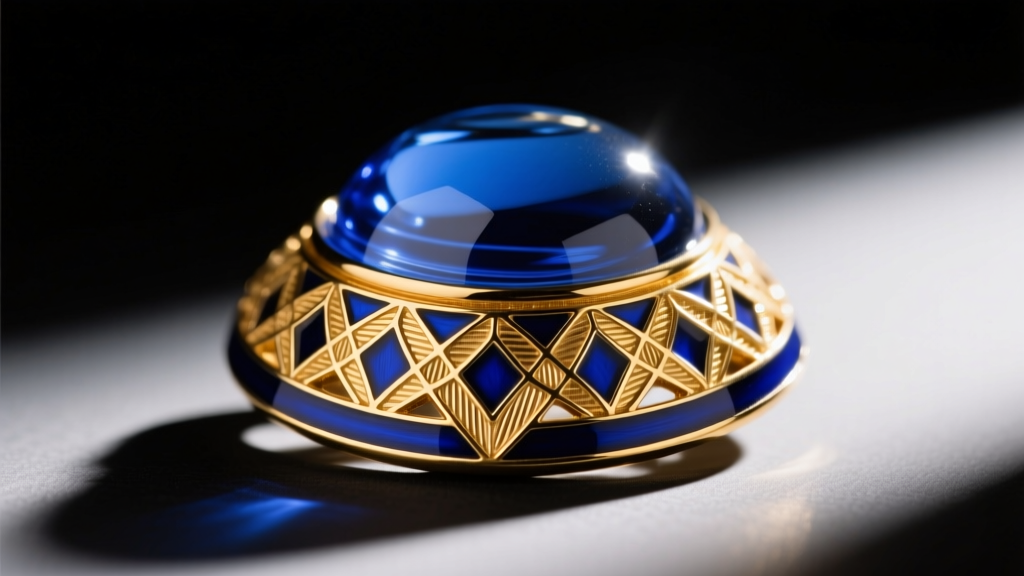
Vintage enamel jewelry represents one of the most remarkable intersections of metallurgy and fine art in the antique market. Unlike gemstones, which are mined and cut, vitreous enamel is born from fire—finely ground silica glass fused to a metal substrate at temperatures exceeding 1,400°F. Whether you are hunting for an Edwardian guilloché locket or an Art Nouveau plique-à-jour brooch, understanding the material science and historical techniques behind these pieces is critical for accurate valuation and preservation.
In this comprehensive guide, we break down the exact steps to authenticate vintage enamel jewelry, identify structural failure modes, and execute safe cleaning protocols that protect century-old glasswork from irreversible damage.
Step 1: Identifying the Enamel Technique
Before assessing condition, you must identify the specific enameling technique used. The method dictates both the piece's historical era and its inherent fragility. According to Lang Antiques University, the four primary techniques found in antique jewelry are:
- Guilloché (Enamel over Engine-Turning): Transparent glass is fired over a metal base that has been mechanically engraved with precise, repetitive geometric patterns. The ridges catch the light through the translucent enamel, creating a shimmering, moiré effect. Highly popular in the late Victorian and Art Deco eras.
- Champlevé: Troughs or cells are carved, etched, or cast directly into the thick metal base. Opaque or translucent enamel is packed into these depressions and fired. The metal dividers remain visible, creating bold, graphic contrasts common in Celtic revival and mid-century retro pieces.
- Cloisonné: Fine, flat metal wires are soldered to the metal surface to create intricate compartments (cloisons). This technique, heavily utilized in Asian export jewelry and 19th-century revivalist pieces, allows for highly detailed, multi-colored pictorial designs.
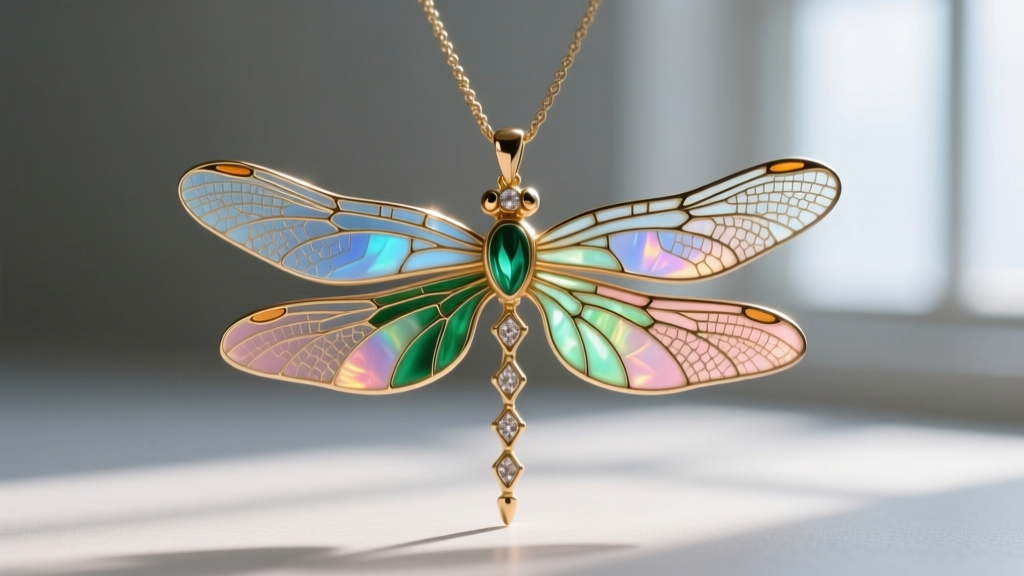
- Plique-à-jour: The most fragile and valuable technique. Enamel is suspended within a metal framework without a backing plate, creating a stained-glass effect. Because there is no metal substrate to support the glass, it is exceptionally prone to cracking from minor impacts.
Step 2: Authenticating Vintage vs. Modern Reproduction
The market is currently flooded with modern reproductions utilizing "cold enamel" (a two-part epoxy resin) rather than traditional vitreous glass. Distinguishing between the two requires a multi-sensory approach and specific testing tools.
The 365nm UV Light Test
The most definitive, non-destructive test for authenticating vintage enamel jewelry is ultraviolet fluorescence. Modern cold enamels and epoxy resins contain organic compounds that typically fluoresce a milky blue, green, or yellow under a 365nm UV flashlight. True vitreous glass enamel, being entirely inorganic, will remain completely inert and dark under UV light.
Thermal and Tactile Cues
Vitreous glass conducts heat differently than resin. When touched to the cheek or lips, antique glass enamel will feel distinctly cool and take longer to warm to body temperature. Resin feels comparatively warm and plasticky. Furthermore, examine the surface under a 10x jeweler's loupe: glass enamel will show micro-scratches, subtle crazing, and tiny air bubbles trapped during the firing process, whereas resin is often perfectly smooth or exhibits mold-release marks.
| Feature | Authentic Vintage Vitreous Enamel | Modern Cold Enamel (Epoxy Resin) |
|---|---|---|
| UV Fluorescence (365nm) | Inert (No fluorescence) | Fluoresces milky blue/green/yellow |
| Surface Texture (10x Loupe) | Micro-scratches, minute air bubbles, slight doming | Perfectly smooth, mold lines, shrinkage dips |
| Thermal Conductivity | Feels cool to the touch, warms slowly | Feels room temperature, warms quickly |
| Hardness (Mohs Scale) | 5.5 - 6.5 (Scratches steel) | 2.0 - 3.0 (Scratches easily with a copper coin) |
Step 3: Assessing Damage and Failure Modes
Enamel is essentially glass fused to metal. Its greatest vulnerability lies in the coefficient of expansion (COE). The metal and the glass must expand and contract at nearly identical rates during temperature changes. If a piece is exposed to sudden thermal shock (like dropping it in hot water), the glass will fracture. When evaluating estate pieces, look for these specific failure modes:
- Crazing: A network of fine, spiderweb-like cracks on the surface. While sometimes considered a sign of age, heavy crazing compromises structural integrity and reduces value by 20-30%.
- Delamination: The enamel lifts away from the metal substrate. This occurs when moisture penetrates micro-cracks and oxidizes the underlying metal, creating rust or verdigris that pushes the glass upward.
- Chipping and Spalling: Complete loss of glass material, usually at the edges or high-relief areas. In the current market, a mint-condition Edwardian guilloché locket retails for $1,200–$2,500. The exact same locket with a 2mm chip on the bezel edge plummets to $400–$600.
Expert Appraisal Tip: When inspecting plique-à-jour pieces, hold them up to a strong LED light source. Look for "ghost lines" or internal stress fractures that haven't yet breached the surface. These indicate impending failure and should heavily influence your negotiation price.
Step 4: Safe Cleaning Protocols for Antique Enamel
The most common way collectors destroy vintage enamel jewelry is through improper cleaning. Never use ultrasonic cleaners, steamers, or commercial silver dips on enameled jewelry. The high-frequency vibrations of an ultrasonic cleaner will instantly shatter micro-fractured glass, and harsh chemicals can strip the metallic oxides that give the enamel its color.
Follow this step-by-step conservation cleaning method, aligned with guidelines from the Victoria and Albert Museum:
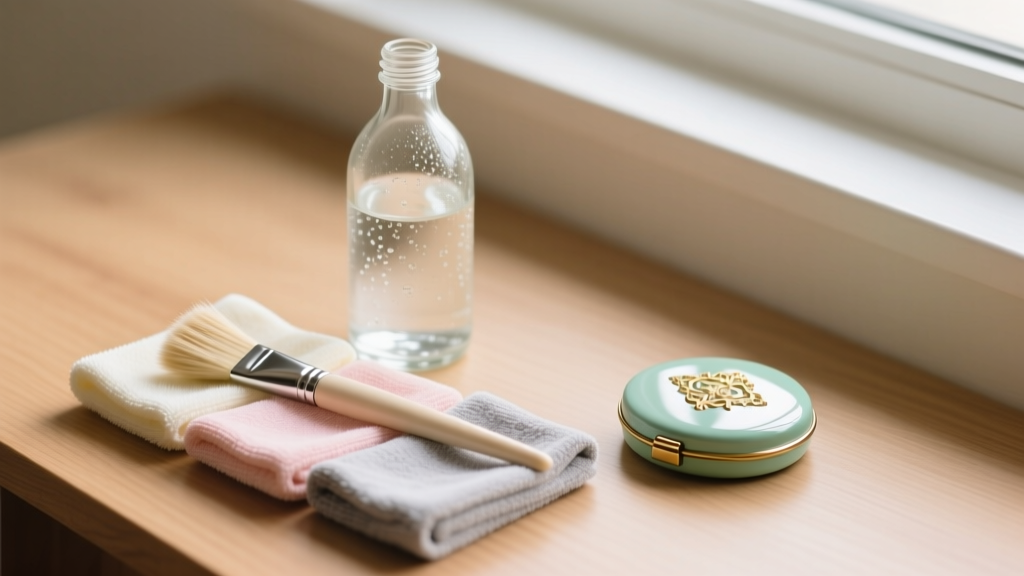
- Prepare the Solution: Use only distilled water. Tap water contains chlorine and dissolved minerals that can seep into microscopic crazing and cause internal metallic oxidation. Add a single drop of pH-neutral, non-lotion dish soap.
- Pre-Inspection: Examine the piece under a loupe. If you see any active flaking, lifting, or deep cracks, do not submerge it. Proceed only with dry dusting.
- Gentle Agitation: Dip a soft, natural-hair sable brush (never nylon, which can leave micro-scratches) into the solution. Gently sweep the brush across the enamel surface in one direction to lift sebum and cosmetic buildup.
- Rinsing: Briefly hold the piece under a slow trickle of lukewarm distilled water to rinse away the soap. Avoid extreme temperature changes.
- Drying: Immediately pat the piece dry with a lint-free microfiber cloth. Use a wooden toothpick or a dry, soft cotton swab to carefully wick away any trapped moisture from the crevices where the enamel meets the metal bezel.
Step 5: Sourcing Professional Enamel Restoration
If your vintage enamel jewelry suffers from chips or missing sections, resist the urge to use DIY epoxy fillers. Epoxy yellows over time, shrinks as it cures, and cannot replicate the optical depth of fired glass. Furthermore, attempting to re-fire a piece in a kiln without exact historical metallurgical data can cause the original metal substrate to melt or warp.
True restoration requires a master enamelist who specializes in antique conservation. They will custom-mix silica, flux, and metallic oxides to match the exact refractive index and color of the original glass, firing it in precise increments to match the original COE. Expect to pay between $300 and $800 per square centimeter for professional vitreous restoration on high-value Art Deco or Edwardian pieces. Always request that the restorer document their repairs under UV light, ensuring future provenance and transparency for subsequent collectors.
By mastering these authentication and care techniques, you can confidently navigate the vintage enamel market, preserving these miniature masterpieces of fire and glass for the next century.


