The 2026 Vintage Costume Jewelry Price Guide for Beginners
Discover our 2026 vintage costume jewelry price guide. Learn to value Trifari, Miriam Haskell, and Coro pieces with expert pricing tiers and hallmarks.

Understanding the Vintage Costume Jewelry Market in 2026
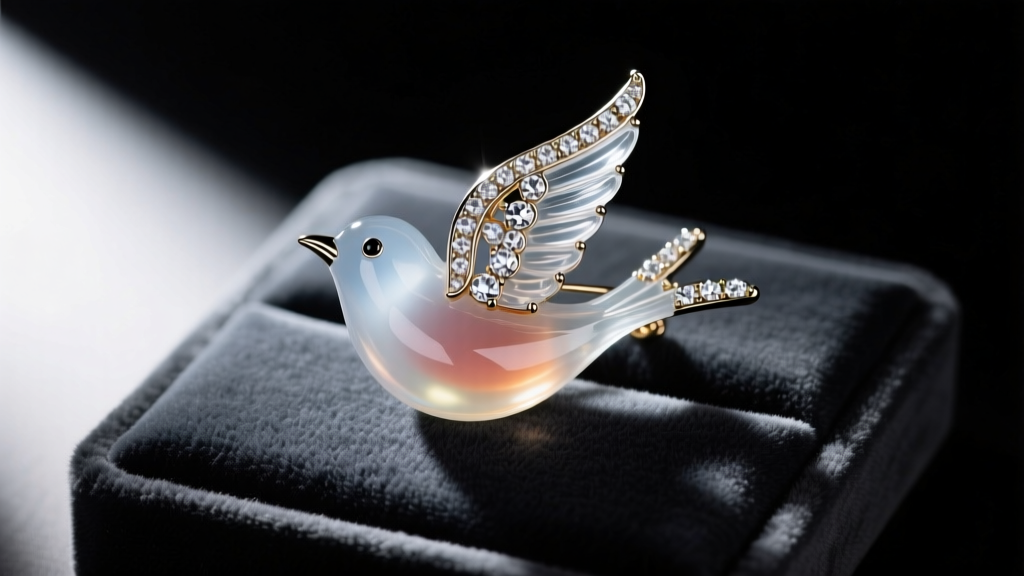
Navigating the secondary market for vintage adornments can feel like walking through a minefield of overpriced reproductions and misidentified eras. Whether you are hunting at estate sales, scouring online auctions, or inheriting a family collection, having a reliable vintage costume jewelry price guide is essential. In 2026, the market has shifted heavily toward documented, signed pieces from the Art Deco and Mid-Century periods, while unsigned or damaged mass-market items have stagnated in value. This guide strips away the guesswork, providing beginners with a concrete, data-driven framework to appraise, authenticate, and price costume jewelry with confidence.
Defining the Boundaries: Vintage vs. Antique vs. Retro
Before assigning a dollar value, you must accurately categorize the piece. The terminology dictates the buyer pool and the baseline pricing.
- Antique (Pre-1926): Strictly speaking, jewelry must be over 100 years old to be classified as antique. In the costume realm, this encompasses early Victorian gutta-percha, mourning jewelry, and 1920s flapper-era celluloid pieces.
- Vintage (1926–1996): This is the sweet spot for costume collectors. It includes the golden age of Art Deco geometric designs, 1940s Retro Modernist gold-plated motifs, and 1950s Mid-Century rhinestone extravaganzas.
- Estate: A catch-all term for any previously owned jewelry, regardless of age. Do not let sellers use "estate" as a synonym for "valuable vintage."
The 3-Tier Valuation Framework for Costume Pieces
To quickly assess a piece's potential worth, appraisers use a three-tier framework based on provenance, materials, and condition.
Tier 1: Mass-Produced and Unsigned ($5 - $45)
The vast majority of costume jewelry found in thrift stores falls into this tier. These pieces are typically unsigned, produced in high volumes during the 1970s and 1980s, or suffer from significant condition issues. Common materials include lightweight stamped aluminum, hollow plastic, and modern acrylic. If a piece features missing foil-back rhinestones, severe gold-tone wear (brassing), or broken base-metal clasps, its value is purely decorative. Expect to pay or sell these in the $5 to $45 range, depending on the aesthetic appeal and current fashion trends.
Tier 2: Signed Mid-Century and Art Deco ($50 - $250)
This tier represents the core of serious collecting. Pieces here bear the hallmarks of respected mid-tier and high-tier manufacturing houses like Coro, Weiss, Kramer, and Trifari. Value drivers in this tier include intact Aurora Borealis (AB) rhinestones (introduced by Swarovski in 1955), intricate hand-set pave work, and patented mechanisms. For example, a signed 1950s Weiss parure (matching necklace, bracelet, and earrings) in excellent condition consistently commands between $120 and $225 in the 2026 market. Condition is paramount here; a single missing stone or a replaced modern clasp can drop a piece from Tier 2 back into Tier 1.
Tier 3: Haute Couture and Rare Designers ($300 - $2,000+)
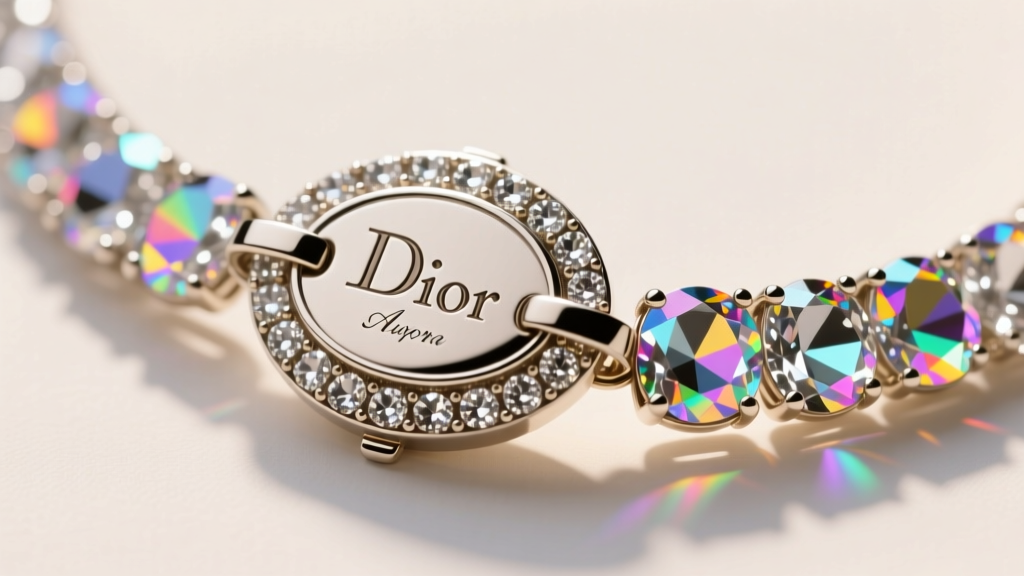
The apex of the costume jewelry market features pieces that blur the line between fashion accessories and fine art. Designers like Miriam Haskell, Elsa Schiaparelli, Christian Dior, and early Alfred Philippe for Trifari dominate this space. A Miriam Haskell necklace featuring hand-wired Russian gold plating, seed pearls, and baroque glass beads can easily fetch $800 to $1,500. Schiaparelli's surrealist 1930s metallic insect brooches or early Dior pieces with original oval hangtags and aurora borealis stones regularly cross the $1,000 threshold at specialized auction houses.
2026 Market Pricing Table: Top Designers and Signatures
Use this quick-reference table to benchmark your finds against current 2026 market averages for signed pieces in very good to excellent condition.
| Designer Brand | Peak Era | Defining Material / Technique | 2026 Avg. Price Range |
|---|---|---|---|
| Trifari (Crown Mark) | 1930s - 1950s | Trifanium (rhodium-plated base metal), Jelly Belly Lucite | $150 - $1,200 |
| Coro / Corocraft | 1930s - 1960s | Duette/Quetta patent clasps, sterling vermeil | $65 - $350 |
| Miriam Haskell | 1920s - 1970s | Russian gold plating, hand-wired seed pearls, baroque glass | $300 - $2,500 |
| Eisenberg Original | 1930s - 1940s | Heavy sterling silver, premium Swarovski crystal | $200 - $850 |
| Christian Dior | 1950s - 1960s | Aurora Borealis stones, oval hangtags, aurora glass | $250 - $1,500 |
| Art / Mode | 1950s - 1970s | Enamel work, molded glass, floral motifs | $40 - $120 |
How to Spot Fakes, Frankenstein Pieces, and Overvalued Items
The most common trap for beginners is overpaying for "Frankenstein" jewelry—pieces that have been cobbled together from broken originals. According to Collectors Weekly, authenticity hinges on examining the structural integrity and era-appropriate manufacturing techniques.
- The Clasp Test: Pre-1950s pieces typically feature trombone clasps (a push-pull tube mechanism) or simple C-clasps without safety catches. By the mid-1950s, the roll-over safety clasp became the industry standard. If you see a modern lobster clasp on a purported 1930s Art Deco piece, you are likely looking at a replacement or a frankenstein assembly, which slashes the value by up to 70%.
- Foil-Back Rhinestones: Vintage foil-backed stones are highly susceptible to moisture. Inspect the stones under a 10x loupe. If the backing looks black, grey, or cloudy, the foil has oxidized or "foxed." There is no way to clean this without removing the stone; it is permanent damage.
- Bakelite vs. Modern Plastic: Authentic 1930s Bakelite should not have mold seams. When rubbed with a soft cloth and Simichrome polish, it will leave a distinct yellow residue. Under a 365nm UV blacklight, Bakelite typically fluoresces an orange-yellow, whereas later cellulose acetate or modern acrylics will not.
- Weight and Pot Metal: During WWII, base metals were rationed, leading to the use of "pot metal" (a zinc alloy) or sterling silver. Pot metal is prone to "metal fatigue" and microscopic cracking. If a 1940s brooch feels unusually brittle or shows hairline fractures near the pin stem, avoid it; the metal is actively deteriorating.
Essential Tools for the Beginner Appraiser
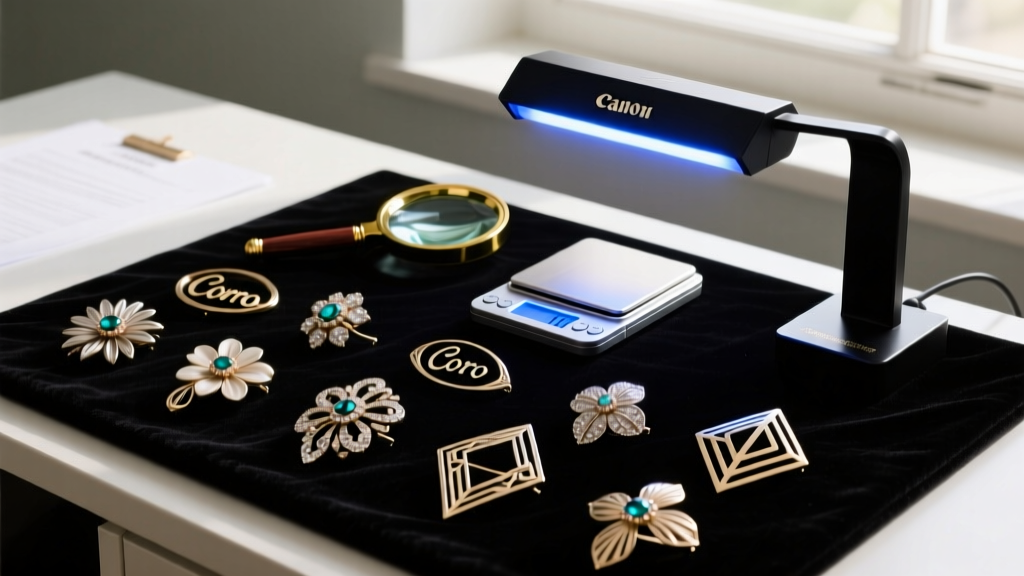
To effectively use this vintage costume jewelry price guide, you need the right field kit. Professional appraisers at Antique Jewelry University recommend starting with these four affordable tools:
- 10x Triplet Loupe: Essential for reading microscopic maker's marks (like the tiny "C" in a circle for Coro) and inspecting the prongs holding rhinestones.
- 365nm UV Blacklight Flashlight: Crucial for testing Bakelite, identifying modern synthetic glues used in repairs, and checking for replaced stones (which will fluoresce differently than original vintage glass).
- Simichrome Polish: The gold standard for non-destructive Bakelite testing. A tiny dab on a Q-tip will turn yellow if the plastic is authentic phenolic resin.
- Neodymium Magnet: While most vintage costume jewelry is non-magnetic (using brass, pot metal, or sterling), a strong magnet helps quickly identify cheap, modern ferrous base metals often used in 1990s reproductions.
Authoritative Resources for Continued Learning
Valuing vintage jewelry is an ongoing education. Market trends shift, and new archival data regarding patent dates and manufacturing marks is constantly unearthed. We highly recommend joining the Costume Jewelry Collectors International for access to their extensive mark databases and monthly valuation newsletters. Additionally, cross-referencing your hallmarks with specialized reference books, such as Julia C. Carroll's Collecting Costume Jewelry 101, will refine your eye and help you confidently navigate estate sales, auctions, and private collections in 2026 and beyond.


