How to Buy Estate Jewelry Raleigh NC: 2026 Sourcing Guide
Discover our step-by-step 2026 guide to sourcing, authenticating, and appraising estate jewelry in Raleigh, NC. Expert tips for Triangle collectors.

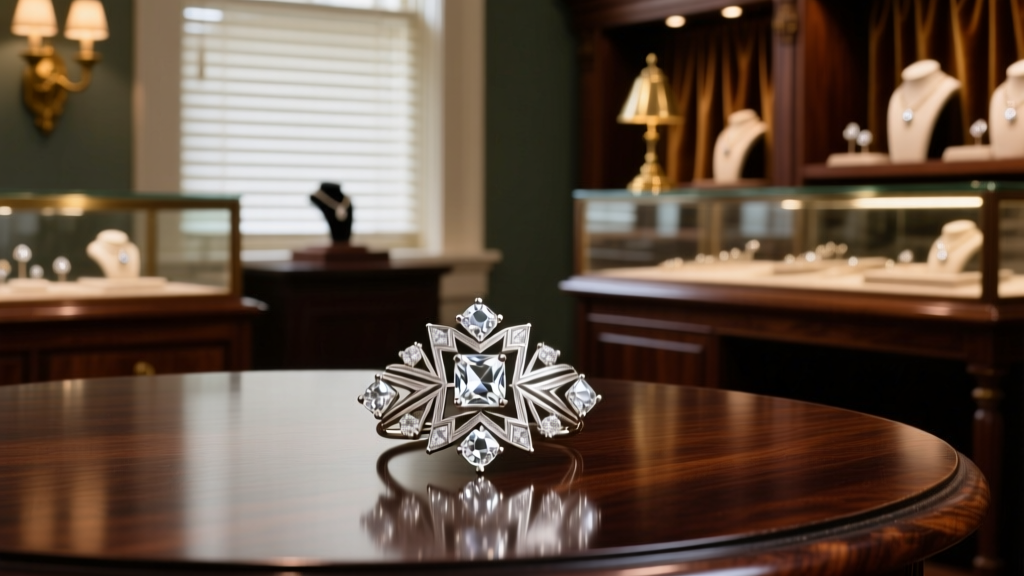
The Triangle area has quietly evolved into one of the Southeast’s most lucrative hubs for vintage and antique collectors. As of 2026, the influx of historic estates hitting the market in Wake County and surrounding areas has created unprecedented opportunities for serious buyers. However, navigating the local landscape requires more than just a passion for history; it demands a rigorous, step-by-step approach to authentication, valuation, and preservation. Whether you are hunting for a Georgian-era foil-backed garnet ring or an Edwardian platinum garland necklace, this comprehensive guide will walk you through the exact process of sourcing and securing authentic vintage pieces in North Carolina's capital.
Step 1: Navigating Wake County Estate Sales & Local Markets
Finding high-quality estate jewelry in Raleigh, NC, begins with knowing exactly where to look. While retail antique malls on Hillsborough Street offer curated selections, the most significant margins and rarest finds are located in private estate liquidations and regional auction houses. In 2026, the most effective strategy for local sourcing involves a multi-tiered approach:
- Probate and Tag Sales: Monitor localized platforms like EstateSales.net, filtering specifically for affluent Raleigh neighborhoods such as Hayes Barton, Country Club Hills, and North Hills. Arriving at least 90 minutes before doors open is critical for "picker" access to jewelry boxes before general admission.
- Regional Auction Houses: Establish absentee and live bidding accounts with regional powerhouses that handle Triangle-area estates. While Brunk Auctions is based in Asheville, they frequently liquidate high-end Raleigh estates and offer rigorous cataloging.
- Local Antique Corridors: Build relationships with dealers in the Capital City Antique Mall and smaller boutique galleries in nearby Cary and Apex. Dealers often hold back unverified or "as-is" jewelry lots in their back rooms, which they may sell at a discount to knowledgeable buyers who can authenticate the pieces on the spot.
Step 2: Metallurgical Authentication in the Field
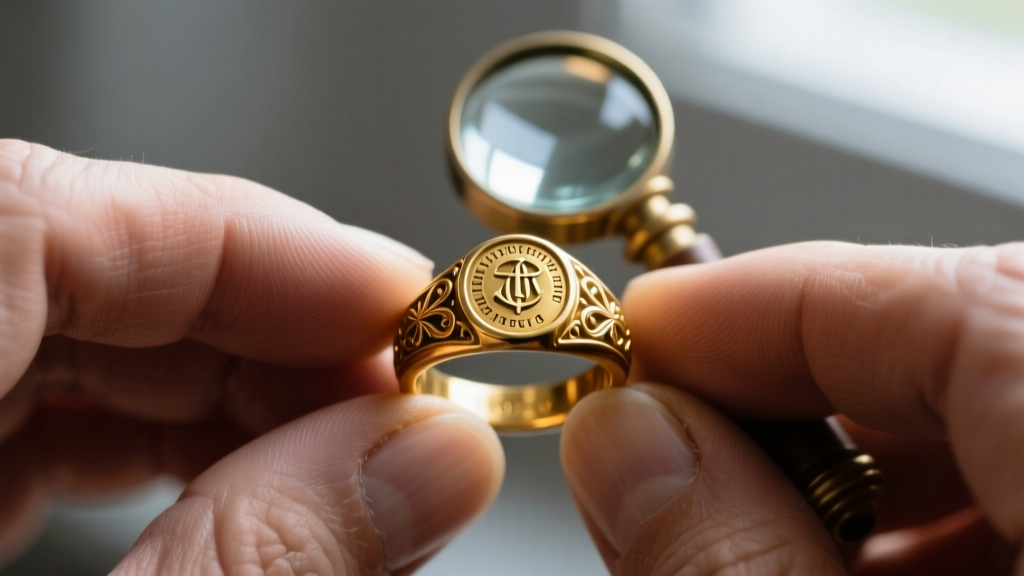
When you uncover a potential treasure at a Wake County estate sale, immediate field authentication is mandatory. Raleigh’s high summer humidity can accelerate tarnishing and obscure hallmarks, making visual inspection challenging. Always carry a 10x Hastings triplet loupe and a specialized LED gemological flashlight.
Decoding European and American Hallmarks
American pieces from the late 19th and early 20th centuries often lack standardized purity stamps, relying instead on maker's marks. Conversely, European imports (frequently found in historic Raleigh estates due to post-WWII travel) will feature strict assay marks. Look for the French eagle head (18k gold), the British leopard head (London assay), or the Russian Kokoshnik marks. If a piece is unmarked but exhibits the distinct pale-grey hue and extreme density of platinum, it is likely an Edwardian or early Art Deco piece. Because acid testing is destructive and unreliable for platinum, reputable Raleigh jewelers utilize XRF (X-ray Fluorescence) scanners for non-destructive elemental analysis. Expect to pay between $25 and $45 for a bench jeweler to perform an XRF scan if you are unsure about a piece's metal purity before purchasing.
Step 3: Identifying Period-Specific Gemstone Cuts and Synthetics
A common trap for novice buyers in the NC market is misidentifying the era of a piece based solely on its setting. Gemstone cutting technology evolved rapidly between 1880 and 1950, and understanding these transitions is vital for accurate dating and valuation. According to the Gemological Institute of America (GIA), the transition from old mine cuts to modern brilliant cuts provides a reliable timeline for diamond jewelry.
| Era | Dominant Diamond Cuts | Common Synthetic/Imitation Risks | Setting Characteristics |
|---|---|---|---|
| Victorian (1837-1901) | Old Mine Cut, Rose Cut | Doublets, glass paste, foil-backed gems | Silver-topped gold, closed-back bezels |
| Edwardian (1901-1915) | Old European Cut, Swiss Cut | Early synthetic sapphires (Verneuil) | Platinum, millegrain, pierced filigree |
| Art Deco (1920-1935) | Transitional, Early Brilliant, Calibré | Synthetic rubies, bakelite accents | Geometric, channel-set, white gold/platinum |
| Retro (1935-1950) | Modern Brilliant, Fancy Shapes | Aqua-lite (synthetic spinel), glass | Rose gold, chunky ribbons, illusion settings |
Pro Tip: Be highly cautious of "pigeon blood" rubies in Art Deco and Retro settings. The Verneuil flame-fusion process made synthetic rubies incredibly common and highly prized in the 1920s and 30s. A natural Burmese ruby from this era will command a massive premium, but only if verified by a certified lab.
Step 4: Securing a USPAP-Compliant Appraisal in the Triangle
Once you have acquired your estate jewelry, establishing its legal and financial value is the next critical step. In North Carolina, insurance companies and probate courts require appraisals that comply with the Uniform Standards of Professional Appraisal Practice (USPAP). The Appraisal Foundation mandates strict ethical and methodological guidelines that protect buyers from inflated retail valuations.
"Never accept a verbal appraisal or a document generated by the same jeweler who is offering to buy the piece from you. A true appraisal must be an independent, third-party valuation conducted by a GIA Graduate Gemologist or an ASA-accredited senior appraiser."
Understanding Raleigh Appraisal Fees and Formats
In the 2026 Raleigh-Durham market, independent, USPAP-compliant jewelry appraisers typically charge between $95 and $145 per hour, or a flat fee of $75 to $125 per item for standard insurance replacement documents. You must explicitly state the function of the appraisal before the work begins:
- Insurance Replacement Value: Calculates the cost to recreate or replace the item in the current retail market. This is usually the highest value.
- Fair Market Value (FMV): Used for estate tax, divorce settlements, or charitable donations. FMV reflects what a willing buyer would pay a willing seller in the open secondary market, which is often 30% to 50% lower than retail replacement.
- Liquidation Value: The expected cash price if the item must be sold immediately, typically at auction or to a scrap dealer.

Step 5: Archival Care and Specialized Insurance Riders
Preserving the physical integrity of antique jewelry requires abandoning modern cleaning habits. The most frequent cause of irreversible damage to Victorian and Georgian estate jewelry is the use of ultrasonic cleaners. According to the Jewelers of America, ultrasonic vibrations can easily shatter heavily included emeralds, fracture opals, and completely destroy the delicate silver foil backing used in 18th and 19th-century closed-back settings.
Proper Cleaning and Storage Protocols
- Dry Brushing: Use a clean, ultra-soft baby hairbrush to gently remove dust and skin oils from filigree and millegrain settings.
- Mild Surfactants: For stable stones (diamonds, sapphires, rubies) in secure platinum or gold settings, use a few drops of phosphate-free dish soap in lukewarm (never hot) water. Soak for no more than three minutes.
- Climate-Controlled Storage: Raleigh’s summer humidity can cause silver to tarnish rapidly and degrade organic gems like pearls and coral. Store pieces in anti-tarnish Pacific Silvercloth pouches, and include silica gel desiccant packets in your safe or safety deposit box to maintain a stable micro-climate.
Insuring Your Collection
Standard homeowner's insurance policies in North Carolina typically cap jewelry theft coverage at a mere $1,500 to $2,500, which is woefully inadequate for estate collections. You must schedule individual items using a specialized inland marine policy or a dedicated jewelry insurer like Jewelers Mutual. Be prepared to provide your USPAP appraisal, high-resolution macro photography of the hallmarks, and a detailed description of the gemstone measurements to bind your coverage.
Final Thoughts on the Raleigh Vintage Market
Sourcing estate jewelry in Raleigh, NC, is a rewarding pursuit that blends historical detective work with sharp financial acumen. By systematically mapping local estate sales, employing rigorous field authentication, understanding period-specific gemology, and securing independent appraisals, you position yourself to uncover museum-quality heirlooms that will appreciate for generations. The Triangle's rich history and expanding luxury market ensure that the next great Victorian or Art Deco discovery is likely waiting just down the road.


