Sourcing for Crafts Using Vintage Jewelry: A Buyer's Guide
Discover what to look for when buying broken or estate pieces for crafts using vintage jewelry. Expert tips on metals, stones, and salvage value.

The Art of Salvage: Why Buy Vintage for Crafting?
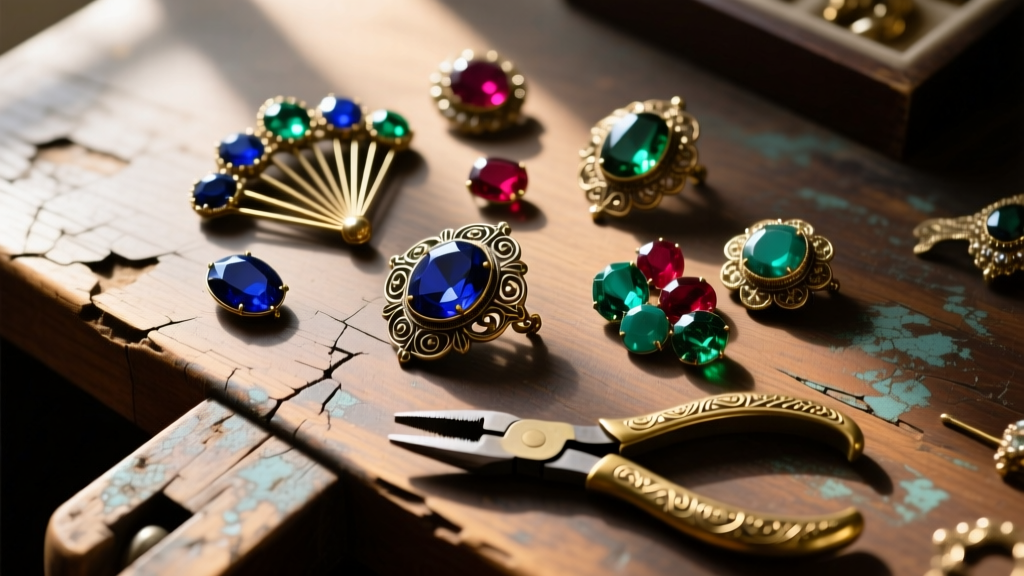
The intersection of sustainability and historical preservation has sparked a massive resurgence in upcycling. When engaging in crafts using vintage jewelry, you are not merely making new accessories; you are rescuing forgotten artistry and giving it a modern narrative. However, buying vintage and antique pieces specifically for the purpose of repurposing requires a completely different mindset than buying for a personal collection. You are no longer looking for pristine condition or flawless provenance. Instead, you are hunting for structural potential, intrinsic material value, and salvageable components. This buying guide will equip you with the technical knowledge required to evaluate estate jewelry, negotiate based on damage, and successfully harvest antique elements for your next creative project.
Evaluating Metal Purity and Solderability
Before you purchase a broken Victorian ring or a snapped Edwardian chain, you must understand how the metal will behave under your tools. According to the extensive archives at Lang Antiques University, metal composition in antique jewelry varies wildly by era and region, which directly impacts how you can manipulate it.
Understanding Karatage and Soldering Risks
If your craft involves soldering, you must verify the metal's purity. Pre-1900 British pieces often test at 15k or 9k gold, while American pieces from the same era might be unmarked but test at 14k. Soldering 14k or 18k gold is straightforward with the right temperature control. However, you must be exceptionally cautious with gold-filled (e.g., 1/20 12k GF) or rolled gold vintage items. Applying a butane torch to gold-filled wire or watch cases will instantly burn off the microscopic gold layer, leaving you with a blistered, blackened brass or copper base. For gold-filled vintage components, abandon soldering entirely and opt for mechanical cold connections, such as wire-wrapping, riveting, or using fold-over crimp ends.
The Danger of Pot Metal and White Gold
Many mid-century and retro costume pieces are cast from pot metal (a zinc-based alloy) or base metals plated in rhodium. These materials cannot be soldered and are highly brittle. If you attempt to drill or bend a pot metal brooch, it will likely snap. Furthermore, early 20th-century white gold alloys often contained high amounts of nickel or palladium, making them notoriously difficult to resize or solder without cracking. Always carry a jeweler's file to perform a discreet scratch test on an inconspicuous area to ensure you are dealing with solid metal rather than a thick electroplate over a brittle core.
Assessing Gemstone Integrity for Resetting
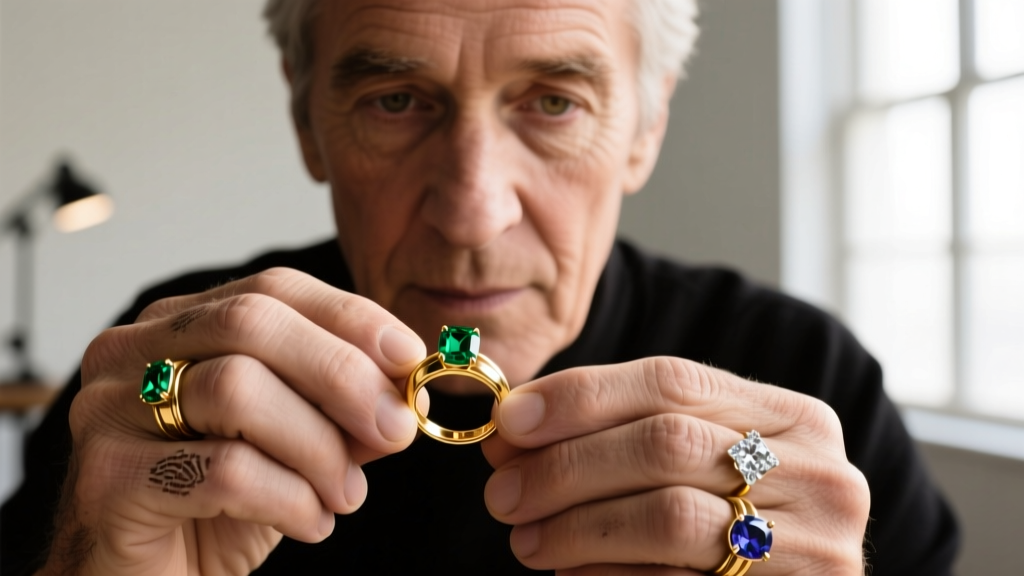
Harvesting stones from broken settings is one of the most rewarding aspects of crafts using vintage jewelry, but it requires a firm grasp of gemology. The Gemological Institute of America (GIA) frequently warns jewelers about the hidden vulnerabilities of antique gemstones, particularly those from the Georgian and early Victorian eras.
Foiled Backs and Water Damage
Before the advent of modern brilliant cuts, gem cutters relied on placing reflective metallic foils behind stones (like garnets, topaz, amethysts, and even diamonds) to enhance their sparkle in candlelight. These foiled stones are set in closed-back bezels. If you are buying a piece with the intention of removing the stone to reset it in an open-back modern prong setting, be aware that removing the foil will drastically reduce the stone's brilliance. Furthermore, never attempt to clean foiled stones in an ultrasonic cleaner or submerge them in water; the moisture will seep into the backing, oxidize the foil, and turn the gemstone permanently black or cloudy.
Mohs Hardness and Prong Tension
When harvesting stones, consider the Mohs scale of hardness. Vintage opals (Mohs 5.5-6.5) and turquoise (Mohs 5-6) are highly porous and prone to crazing if squeezed too tightly in modern prong settings. When buying vintage rings with these stones for repurposing, ensure the stones do not already exhibit micro-fractures along the girdle, as the tension of resetting them will cause the stone to split.
The Damage Discount: Negotiating Broken Antiques
When sourcing materials for crafts using vintage jewelry, damage is your greatest negotiating lever. Estate sellers and antique dealers often struggle to price broken items. Your goal is to purchase these pieces at or slightly above their intrinsic melt value or loose stone value, ignoring the historical craftsmanship premium that a pristine piece would command.
| Damage Type | Craft Viability | Target Purchase Price | Best Repurposing Strategy |
|---|---|---|---|
| Missing Center Stone | High | Scrap metal weight + 10% | Use as a decorative frame for resin, enamel, or a modern cabochon. |
| Snapped Shank (Ring Band) | Medium | Scrap metal weight | Cut the shank off entirely; solder a pin stem to the top to create a heavy-duty brooch. |
| Severe Enamel Loss | High | 20-30% below retail antique value | Strip remaining enamel with a fiberglass scratch pen and polish the metal for a raw, industrial look. |
| Broken Pin Stem (Brooches) | Very High | Standard estate lot pricing | Harvest the intricate front face; discard the base metal backplate and mount to a modern pendant bail. |
Essential Adhesives and Cold Connection Tools
Because soldering is often impossible with mixed-metal vintage lots, mastering chemical adhesives and cold connections is mandatory. Not all glues are created equal, and using the wrong adhesive can permanently ruin a porous antique pearl or stain a delicate piece of carved shell cameos.
- G-S Hypo Cement: The absolute standard for delicate vintage crafts. It features a precision needle tip and dries clear without shrinking. Use this for securing small cabochons into vintage bezel cups or re-tipping loose pearls. It remains slightly flexible, which is crucial for jewelry that will experience movement and temperature changes.
- Two-Part Epoxy (e.g., Devcon 5-Minute): Required for structural, load-bearing joints, such as attaching a heavy vintage watch fob to a thick leather cord end or bonding metal to glass. It fills gaps well but can yellow over time, so keep it away from translucent stones.
- E6000 Jewelry & Bead: Excellent for bonding non-porous vintage elements (like Lucite or bakelite) to metal findings. It requires a 24-hour cure time and excellent ventilation, but its sheer tensile strength is unmatched for heavy statement pieces.
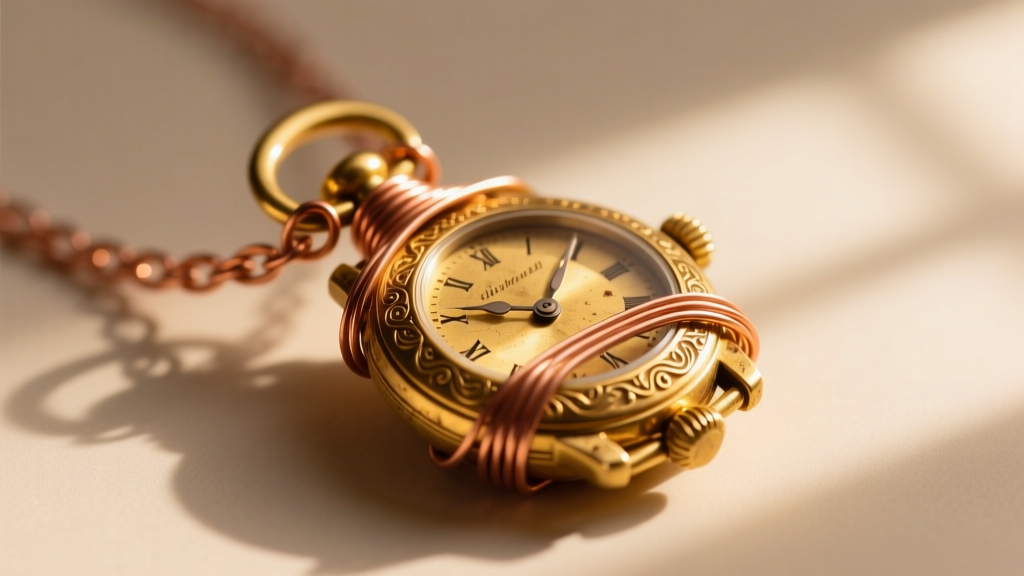
- Dead-Soft Wire (20g to 28g): When buying vintage wire or harvesting metal from broken chains, stock up on dead-soft copper and fine silver. 24-gauge wire is ideal for weaving around vintage watch gears, while 20-gauge provides the structural backbone for wrapping heavy, irregularly shaped antique stones that lack drill holes.
Ethical Sourcing and Preserving Maker's Marks
There is a fine line between repurposing and destroying history. When engaging in crafts using vintage jewelry, ethical sourcing means respecting the original artisan. If you are cutting down a damaged Victorian locket or an Art Deco watch case to use as a pendant face, always locate the maker's mark, hallmarks, or patent numbers first. Use a jeweler's saw to carefully cut around these stamps, incorporating them into the back of your new design. Not only does this preserve the historical integrity of the piece, but it also significantly increases the perceived value and authenticity of your finished craft. A repurposed pendant that still bears the faint stamp of a renowned 19th-century silversmith tells a compelling story that mass-produced jewelry simply cannot replicate.
Where to Buy: Beyond the Traditional Antique Shop
Traditional antique jewelry dealers price their items for collectors, meaning you will pay a steep premium for provenance and condition. To maximize your margins for crafts using vintage jewelry, you must move further down the supply chain. Target local estate sales on their final day, when companies are liquidating remaining "junk lots" by the pound. On digital platforms, search for specific auction terms like "broken gold jewelry lot," "scrap silver filigree," or "parts only vintage watches." Flea markets and antique malls often have dealers who specialize exclusively in "damaged and parts" bins. By training your eye to see the potential in a snapped chain or a crushed bezel, you unlock a virtually limitless supply of high-quality, historically rich materials for your vintage crafting endeavors.


