Expert Cleaning and Care Guide for Retro Era Jewelry
Discover expert cleaning and maintenance tips for retro era jewelry. Learn how to safely wash 1940s gold, rose gold, and large gemstone cocktail rings.

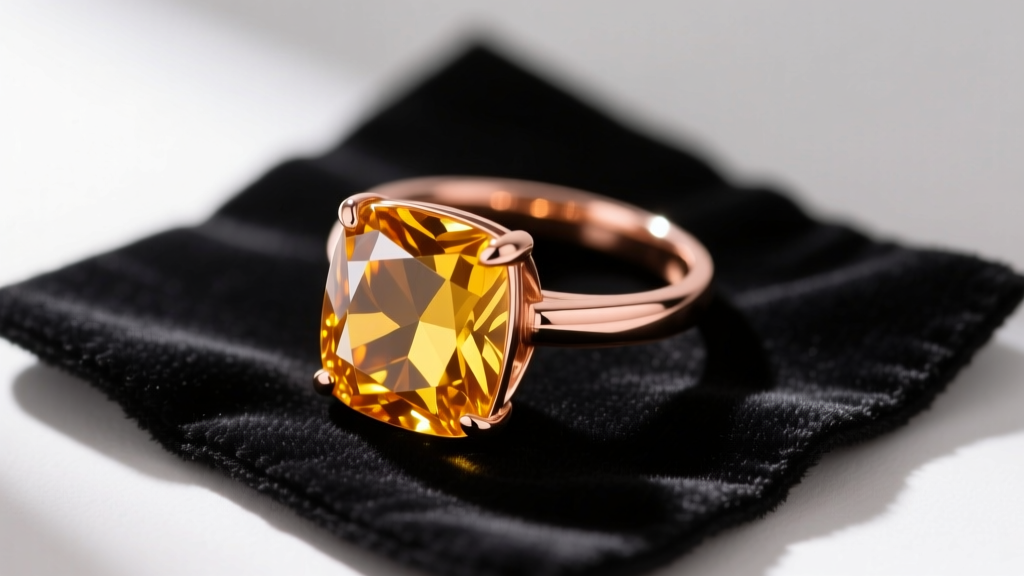
The Retro era (roughly 1935 to 1950) represents one of the most distinctive periods in jewelry history. Driven by the material rationing of World War II, jewelers pivoted from platinum to bold, sculptural gold designs, resulting in the iconic chunky link bracelets, oversized cocktail rings, and three-dimensional 'ribbon' brooches we covet today. However, the unique metallurgy and gemstone selections of the 1940s require highly specific maintenance protocols. Improper cleaning can strip historic patinas, fracture brittle period stones, or degrade early synthetic gems. This comprehensive guide provides actionable, bench-jeweler-approved methods for preserving your retro era jewelry.
The Metallurgy of the 1940s: Understanding Retro Gold Alloys
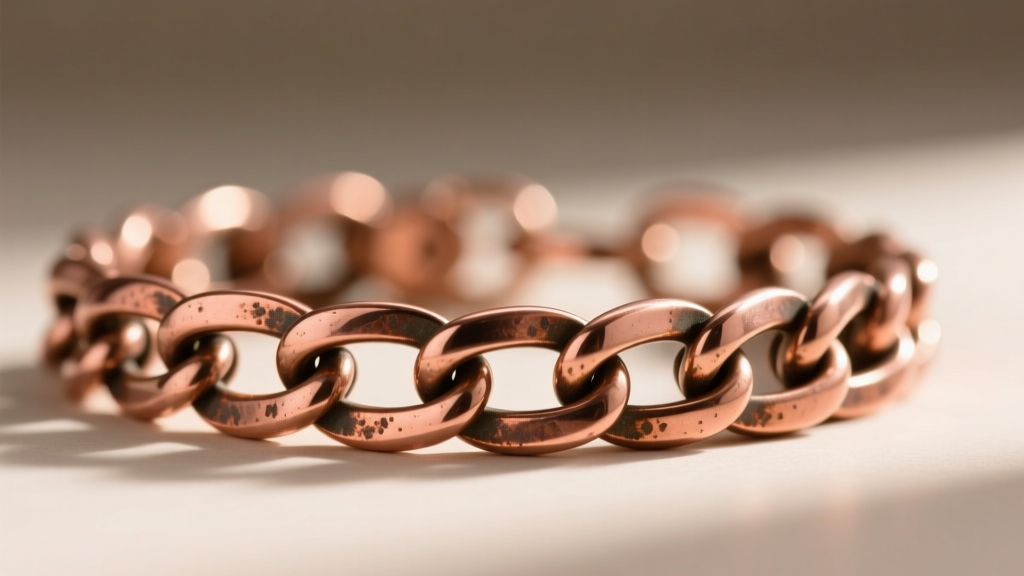
Because platinum was reserved for military use during WWII, gold became the primary metal for fine jewelry. To make the gold stretch further and to achieve the era's signature warm hues, jewelers heavily utilized 14k and 10k gold alloys, particularly rose gold and 'green gold.' A typical 1940s 14k rose gold alloy consists of approximately 58.5% pure gold, 20% copper, and 21.5% silver and zinc. The high copper content is responsible for the beautiful pinkish-red hue, but it also makes the metal highly susceptible to galvanic corrosion and specific types of tarnishing.
When cleaning rose gold retro pieces, you must avoid any solutions containing ammonia or chlorine. Chlorine reacts violently with copper alloys, leading to irreversible stress corrosion cracking—a phenomenon where the metal literally crumbles at the microscopic level. Furthermore, aggressive polishing compounds will strip the soft, historic patina that has developed over the last 80 years, artificially brightening the piece and diminishing its antique value. According to the Lang Antiques Antique Jewelry University, preserving the original surface finish of a Retro piece is paramount to its historical integrity.
Gemstone Identification and Specific Care Protocols
Retro era jewelry is famous for its massive, dramatic gemstones. With traditional sourcing routes disrupted by the war, jewelers turned to large, semi-precious stones and laboratory-created alternatives.
Large Semi-Precious Stones (Aquamarine, Citrine, Amethyst)
These quartz and beryl varieties were cut in large, rectangular or cushion shapes to maximize carat weight. While they rank relatively high on the Mohs hardness scale (7 to 8), they possess distinct cleavage planes and varying degrees of toughness. Aquamarine, for instance, is brittle; a sharp tap against a porcelain sink bowl while washing can easily chip the girdle. These stones should never be subjected to thermal shock (sudden temperature changes), which can cause internal fracturing.
Verneuil Flame-Fusion Synthetics
Due to the scarcity of natural Burmese rubies and Ceylon sapphires, the Retro period saw a massive surge in the use of Verneuil flame-fusion synthetic corundum. Chemically and physically identical to natural stones, these synthetics are incredibly durable (Mohs 9). However, they often contain microscopic gas bubbles and curved striae. While generally safe in ultrasonic cleaners, if the piece has undergone later fracture-filling repairs, ultrasonic vibrations will shatter the filler.
The Definitive Retro Era Jewelry Cleaning Matrix
Not all cleaning methods are universally safe. Use this decision matrix before applying any solution to your vintage pieces.
| Material / Component | Recommended Cleaning Method | Strictly Avoid |
|---|---|---|
| 14k Rose / Yellow Gold | Lukewarm water, pH-neutral dish soap, extra-soft brush | Ammonia, bleach, chlorinated pool water, harsh polishing cloths |
| Aquamarine / Citrine | Gentle hand-washing, microfiber drying | Steam cleaners, ultrasonic machines, extreme temperature shifts |
| Verneuil Synthetic Ruby | Mild soap and water; ultrasonic ONLY if verified unfilled | Hydrofluoric acid, hard-bristled brushing |
| Retro Enamel Accents | Dry microfiber wiping, soft damp cloth | Submersion in water, ultrasonic cleaners, chemical dips |
Step-by-Step Hand Washing Technique for Chunky Cocktail Rings
The safest, most effective way to clean heavy Retro cocktail rings and 'gas-pipe' bracelets at home is a meticulous hand-washing protocol. The GIA Gem Encyclopedia consistently recommends mild, non-detergent soaps for vintage gemstone care.
- Prepare the Basin: Line the bottom of a small glass bowl with a soft silicone mat or a folded microfiber cloth. This prevents catastrophic damage if the heavy ring slips from your fingers.
- Mix the Solution: Fill the bowl with lukewarm (never hot) distilled water. Add two drops of pH-neutral, phosphate-free dish soap (like Dawn). Avoid soaps with heavy moisturizers, which leave a film on large facet tables.
- Soak Briefly: Submerge the jewelry for exactly 3 to 5 minutes. This loosens decades of trapped hand lotion and dead skin cells from beneath the gallery wire.
- Agitate Gently: Using an extra-soft baby toothbrush (never a standard adult brush), gently sweep the bristles over the goldwork. For hollow 'tube' or 'gas-pipe' links, use a soft interdental brush to reach inside the hollow chambers where grime accumulates.
- Rinse and Dry: Rinse under a gentle stream of lukewarm distilled water. Pat dry immediately with a lint-free microfiber cloth. Use a wooden toothpick or a blast of compressed air to remove moisture trapped in box clasps and safety catches.
Structural Maintenance: Box Clasps, Safety Catches, and Prongs
Retro jewelry is inherently heavy. The bold, oversized silhouettes put immense mechanical stress on findings and settings. Maintaining the structural integrity of these pieces is just as critical as keeping them clean.
Inspecting the Box Clasp
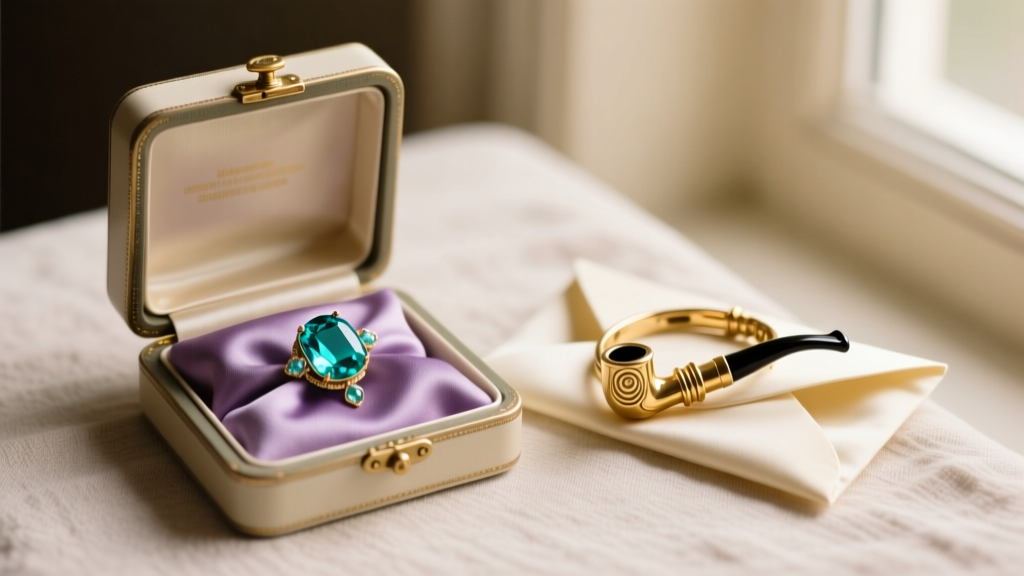
Heavy 1940s link bracelets almost exclusively utilize box clasps with figure-8 safety catches. Over decades of wear, the internal 'tongue' of the box clasp can lose its tension, leading to accidental unclasping. Every six months, gently test the clasp. If the tongue slides in without a distinct, audible 'click,' the piece requires immediate attention from a bench jeweler to re-tension the spring mechanism.
Monitoring Flat and Buttercup Prongs
Retro rings often feature wide, flat prongs or 'buttercup' settings to secure massive gemstones. Because these stones are large, they act as levers; catching a prong on a sweater can easily bend the soft 14k gold away from the stone's girdle. Inspect the prongs with a 10x jeweler's loupe. If you see light passing between the gold and the gemstone, or if the prong head looks flattened rather than rounded, cease wearing the ring until it can be re-tipped.
Long-Term Storage for Sculptural Silhouettes
The three-dimensional motifs of the Retro era—such as gold ribbons, bows, locks, and floral sprays—are prone to crushing and scratching if stored improperly. Never toss Retro pieces into a communal jewelry box where heavy gold links can grind against softer gemstones like opals or turquoise.
Store each piece individually in a breathable, anti-tarnish silk or flannel pouch. For highly sculptural brooches, use compartmentalized boxes with deep, plush-lined dividers to ensure the three-dimensional goldwork does not bear weight when the box is closed. Insert 3M anti-tarnish strips into the storage area, replacing them every six months to absorb ambient sulfur and protect the copper-rich rose gold alloys from darkening.
By respecting the specific metallurgical and gemological characteristics of the 1935-1950 period, you ensure that these bold, historic artifacts remain structurally sound and visually stunning for the next generation of collectors.


