Preserving Examples of Art Deco Jewelry: A Care Guide
Discover expert cleaning, maintenance, and preservation tips for rare examples of Art Deco jewelry, from platinum filigree to foil-backed gems.

The Unique Material Matrix of the 1920s and 1930s
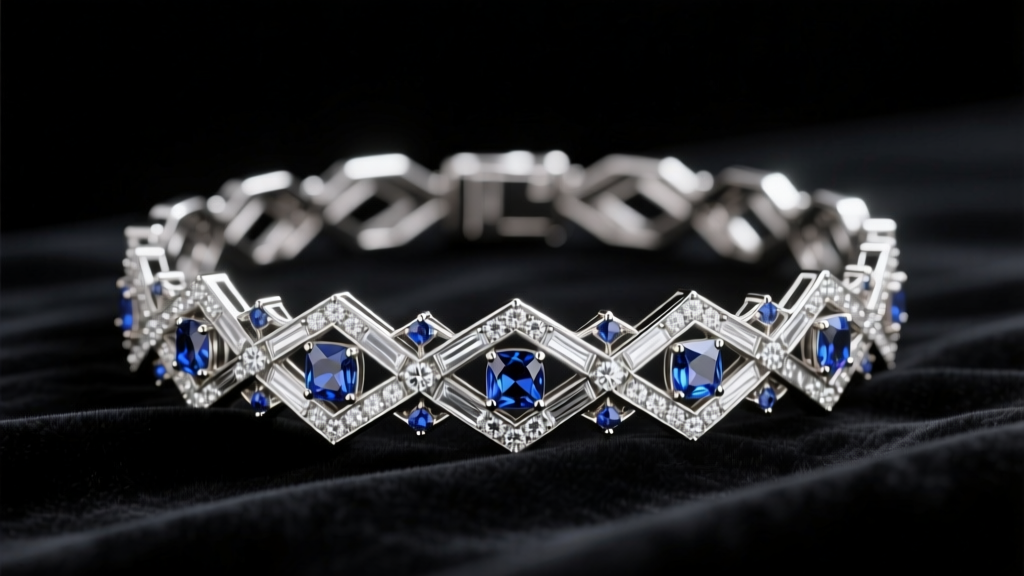
When collectors and enthusiasts seek out examples of Art Deco jewelry, they are often captivated by the era's bold geometric lines, stark color contrasts, and unprecedented architectural flair. However, preserving these masterpieces requires a deep understanding of the specific metallurgical and gemological innovations of the 1920s and 1930s. Unlike Victorian or Edwardian pieces, Art Deco jewelry introduced a new matrix of materials that react uniquely to modern cleaning agents.
Platinum became the undisputed king of the era, typically used in 900/1000 or 950/1000 purity. Its incredible tensile strength allowed jewelers to create the impossibly delicate filigree and microscopic milgrain detailing that define the period. Concurrently, white gold emerged as a more accessible alternative. Early 18k white gold was heavily alloyed with nickel or palladium and almost always plated with rhodium to mimic platinum's bright white luster. Understanding whether your piece is solid platinum or rhodium-plated white gold is the critical first step in formulating a safe cleaning protocol, as harsh chemicals can strip the rhodium layer, exposing the faint yellow undertone of the base alloy.
Beyond metals, the era popularized the use of synthetic and organic materials. Carved Bakelite, vibrant celluloid, and intricate enamel work (particularly champlevé and plique-à-jour) were frequently paired with precious stones. According to the Lang Antique Jewelry University, the juxtaposition of fragile organic materials with hard gemstones creates a complex maintenance environment where a cleaning agent safe for a diamond might instantly melt or cloud a Bakelite element.
Identifying Vulnerabilities in Classic Examples of Art Deco Jewelry
Before applying any liquid or brush to your jewelry, you must conduct a structural vulnerability assessment. The architectural complexity of Art Deco design inherently hides structural weaknesses that can lead to catastrophic damage during routine cleaning.
Foil-Backed Gemstones and Paste
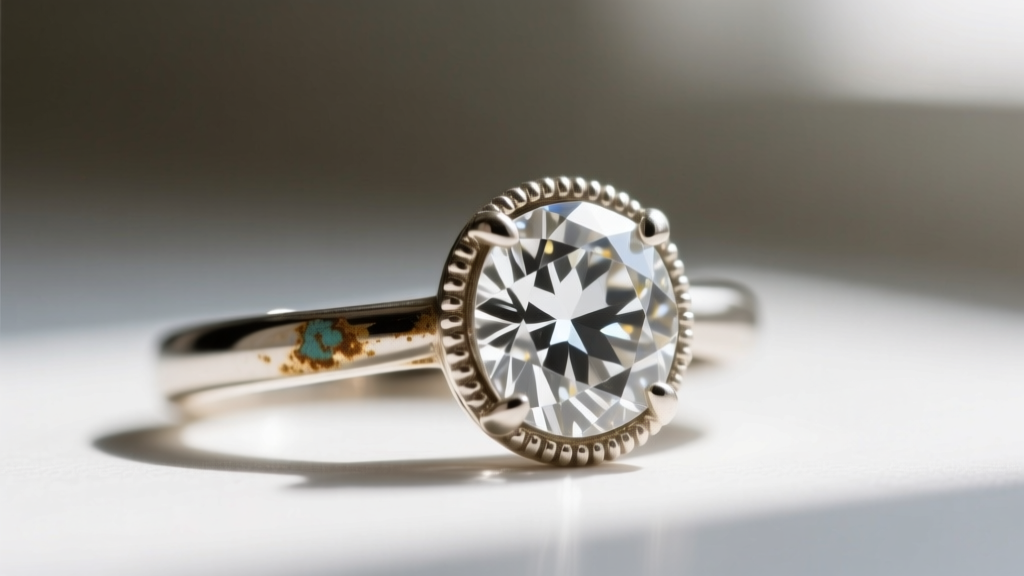
While the Gemological Institute of America (GIA) notes that foil-backing was largely phased out for high-end diamonds by the 1930s, many exquisite Art Deco pieces featuring rose-cut diamonds, colored paste (glass), and certain semi-precious stones still relied on delicate silver or gold foil placed behind the stone to enhance brilliance. If the bezel or collet setting has even a microscopic gap, water ingress will oxidize the foil, turning it black and permanently destroying the stone's optical performance. Never submerge a suspected foil-backed piece.
Enamel and Lacquer Degradation
Black onyx, jade, and coral were frequently accented with enamel. Plique-à-jour (backless enamel resembling stained glass) is notoriously fragile. Thermal shock from warm cleaning solutions or the high-frequency vibrations of an ultrasonic cleaner will cause 1920s enamel to craze, crack, and flake away from the platinum or gold cells.
Milgrain and Filigree Wear
The signature 'milgrain' edges—tiny beads of metal bordering the design—are often worn down on antique pieces. Aggressive brushing with stiff bristles will accelerate this wear, effectively erasing the crisp, geometric boundaries that give the jewelry its historical value.
Step-by-Step Cleaning Protocols by Material
Proper maintenance requires segregating your collection by material composition. Below are the professional-grade protocols for safely cleaning the most common examples of Art Deco jewelry.
Protocol A: Platinum and Diamond Geometric Pieces
For solid platinum pieces set exclusively with diamonds, sapphires, or rubies (no emeralds, opals, or foil-backing), a gentle aqueous cleaning is safe.
- Solution Prep: Mix 1 cup of distilled water (never tap water, as chlorine and fluoride can react with early alloy mixes) with three drops of a pH-neutral, non-detergent soap like liquid Ivory.
- Soaking: Submerge the piece for exactly 5 to 7 minutes. Do not exceed this, as prolonged soaking can weaken antique shellac-based setting adhesives.
- Agitation: Using a #0000 sable makeup brush or an ultra-soft baby toothbrush, gently sweep the bristles parallel to the geometric lines. Never scrub in circles, as this can bend delicate platinum prongs.
- Rinsing: Rinse under a slow stream of lukewarm distilled water.
- Drying: Pat dry with a lint-free microfiber cloth and use a specialized jewelry air blower to remove moisture trapped in the filigree piercings.
Protocol B: Black Onyx, Jade, and Enamel Accents
Pieces featuring carved onyx or champlevé enamel require a strictly 'dry-to-damp' approach. According to conservation guidelines from the Victoria and Albert Museum, porous stones and antique enamels should never be submerged.
- Dampen a cotton swab in distilled water and wring it out until it is barely moist.
- Carefully trace the platinum or gold framework, avoiding direct contact with the enamel or onyx.
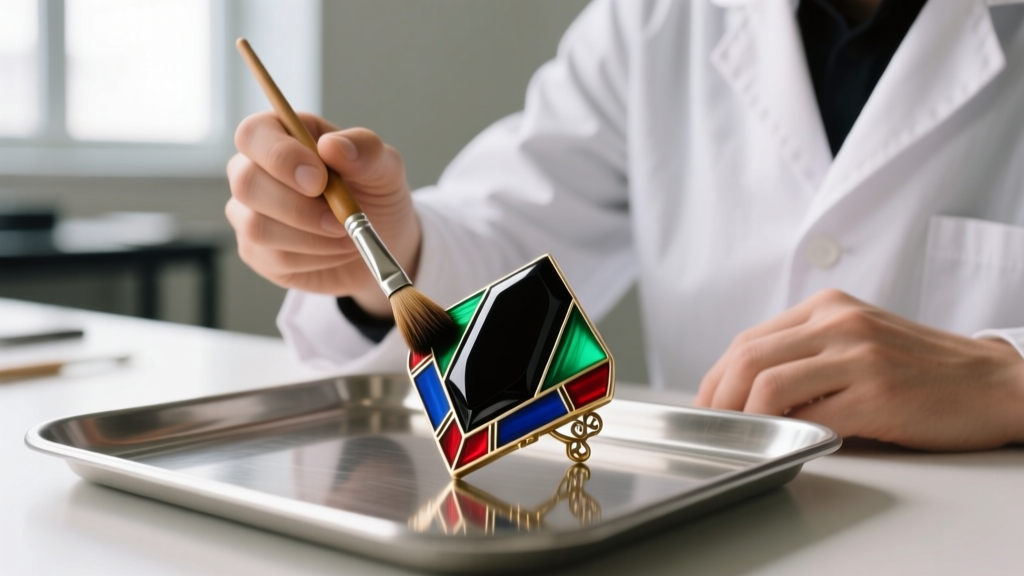
- For the gemstones themselves, use a dry, soft sable brush to dislodge dust and skin oils from the carved recesses.
- Buff the metal gently with a dry, untreated jeweler's polishing cloth.
What to Avoid: The Ultimate Destructive Agents List
The modern jewelry market is flooded with 'quick-clean' solutions that are highly destructive to antique jewelry. Below is a breakdown of common cleaning methods and why they must be avoided when maintaining examples of Art Deco jewelry.
| Cleaning Agent / Method | Material at Risk | Specific Failure Mode |
|---|---|---|
| Ultrasonic Cleaners | Emeralds, Opals, Enamel | High-frequency vibrations shatter heavily included emeralds and cause antique enamel to separate from the metal backing. |
| Steam Cleaners | Foil-backed stones, Glued settings | Sudden thermal expansion fractures stones; steam pressure melts 1920s shellac adhesives, causing stones to fall out. |
| Ammonia-based Solutions | Pearls, Coral, Jade | Strips the natural nacre and oils from organic gems, leaving them brittle, chalky, and permanently dull. |
| Silver Dip / Tarnish Removers | Oxidized Silver, Marcasite | Strips intentional historical patina and black oxidation used as design contrast; dissolves the adhesive holding marcasite. |
| Toothpaste / Baking Soda | Platinum, High-Polish Gold | Acts as an abrasive (Mohs hardness 3-4), creating micro-scratches on metal and dulling the table facets of gemstones. |
Storage and Long-Term Preservation Strategies
Cleaning is only half the battle; how you store your Art Deco pieces dictates their longevity. The geometric, often sharp and angular designs of the 1920s mean that these pieces can easily scratch one another if kept in a communal jewelry box.
Individual Archival Enclosures
Every piece should be housed in an individual, acid-free, unbleached cotton pouch or wrapped in archival-quality tissue paper. Avoid standard plastic ziplock bags, as the off-gassing of certain plastics (like PVC) can cause irreversible chemical reactions with the copper and nickel alloys found in early white gold.
Tarnish Prevention for White Gold and Silver Accents
While platinum does not tarnish, the white gold and silver elements frequently used in Art Deco jewelry are highly susceptible to sulfur-induced oxidation. Line your storage drawers or safes with Pacific Silvercloth or place activated charcoal sachets nearby to absorb ambient moisture and sulfur compounds. Maintain a stable relative humidity of 40-50% in your storage environment; fluctuations cause microscopic expansion and contraction that can loosen calibré-cut stones from their custom-fitted channels.
Annual Professional Inspections
Because Art Deco settings—particularly channel and invisible settings—are highly complex, annual inspections by a certified antique jeweler are non-negotiable. They will check the integrity of the prongs under a 10x loupe, ensure the milgrain is intact, and verify that no stress fractures have developed in the platinum shanks of rings. By combining meticulous at-home care with expert oversight, you ensure that these stunning examples of Art Deco jewelry survive to be admired by generations to come.


