A Buyer's Guide to Kenneth Jay Lane Vintage Jewelry
Discover how to authenticate and value Kenneth Jay Lane vintage jewelry. Learn hallmark evolution, era-specific traits, and market pricing.

The Legacy of the Duke of Diamonds
Kenneth Jay Lane (1932–2017) revolutionized the world of costume jewelry, proving that faux materials could possess the same gravity and glamour as fine gemstones. Known affectionately as the "Duke of Diamonds," Lane designed for icons like Jackie Kennedy, Audrey Hepburn, and the Duchess of Windsor. Today, collecting Kenneth Jay Lane vintage jewelry is a pursuit of mid-century and late-century artistry, but the market is flooded with QVC reproductions, frankenstein pieces, and outright counterfeits. For the serious collector, understanding the nuance of Lane’s manufacturing evolution, material grades, and hallmark idiosyncrasies is essential before making a purchase.
"Elegance is not just a matter of being noticed, it's a matter of being remembered." — Kenneth Jay Lane
Decoding KJL Hallmarks: A Chronological Guide
Unlike fine jewelry houses that strictly regulated their maker's marks, Lane’s production was decentralized. He utilized various workshops across New York, Rhode Island, and eventually overseas. This means hallmark consistency is notoriously fluid. However, general timelines can help date a piece and verify its authenticity. According to the Kenneth Jay Lane official archives, the evolution of his stamps roughly follows this trajectory:
| Era | Common Hallmarks | Key Characteristics & Notes |
|---|---|---|
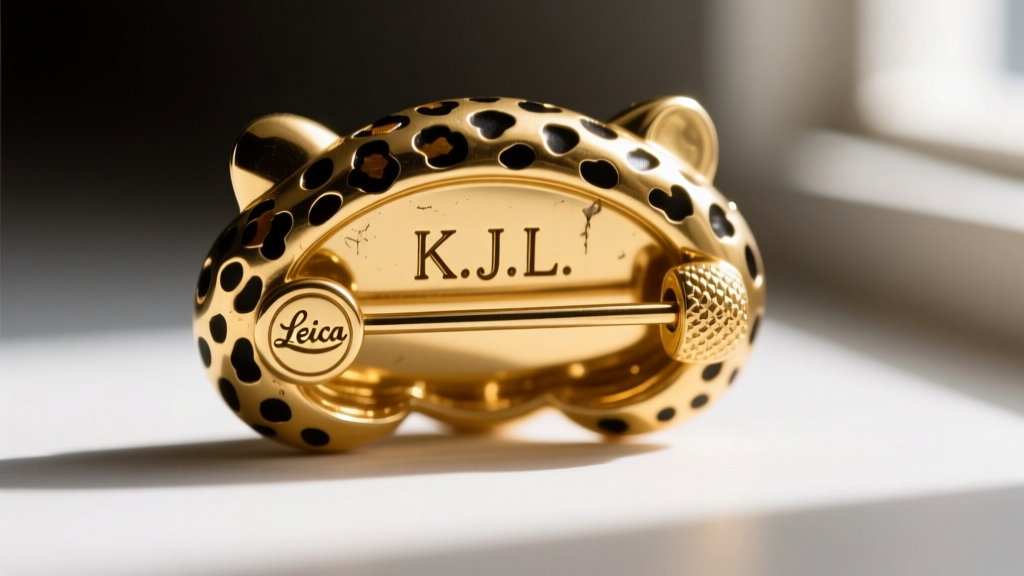
| 1960s | "Kenneth Lane" (Script), "K.J.L." (Block with periods) | Often stamped on a small rectangular cartouche soldered to the back. Some early pieces are entirely unsigned. |
| 1970s | "© K.J.L.", "KJL" (Block, no periods) | The introduction of the copyright symbol (©). Stamps are often directly cast into the metal or deeply struck. |
| 1980s | "Kenneth © Lane", "K.J.L." (Oval cartouche) | More standardized stamping. The oval cartouche is a strong indicator of 1980s animalier and crystal pavé pieces. |
| 1990s–2010s | "Kenneth Jay Lane" (Script), QVC specific marks | Late-era pieces often feature laser-engraved or shallow stamps. QVC mass-market pieces may lack traditional cartouches. |
Expert Note: A missing hallmark does not automatically condemn a 1960s piece. Early production runs for specific department stores were sometimes left unsigned. Conversely, a perfectly crisp, modern-looking laser engraving on a supposedly "1960s" brooch is a major red flag.
Era-Specific Design Signatures
To authenticate Kenneth Jay Lane vintage jewelry, you must align the design motifs with the correct historical era. Lane’s aesthetic shifted dramatically over the decades, influenced by his travels and his elite clientele.
1960s: The Jackie Kennedy & Faux Pearl Era
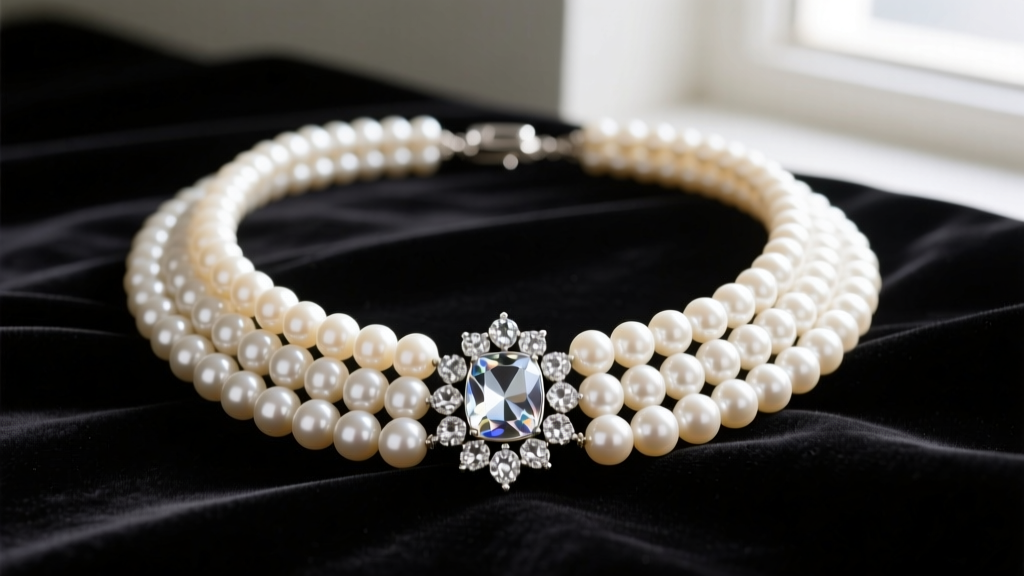
The 1960s defined Lane’s career. His most famous commission was the replication of Jacqueline Kennedy’s 40-carat diamond and emerald engagement ring (using glass and paste) after it was stolen. This era is characterized by multi-strand faux pearl bib necklaces, oversized crystal-encrusted floral clips, and Maltese cross cuffs. The hardware from this era features heavy, robust pin stems and secure barrel clasps.
1970s: Exotic Motifs & Indian Influences
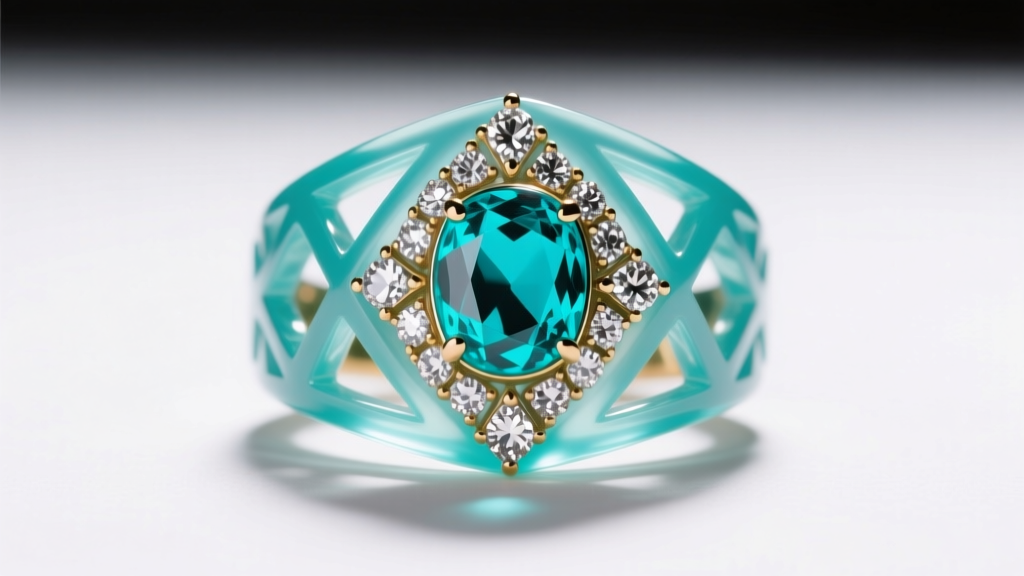
Following his travels to India and the Middle East, Lane’s 1970s designs exploded with color and exoticism. Look for carved Lucite bangles, turquoise and coral cabochons set in matte gold-plated brass, and intricate Mughal-inspired floral patterns. The The Metropolitan Museum of Art's Costume Institute holds several examples of his 1970s exotic cuffs, noting the exceptional quality of the simulated hardstones used during this period.
1980s–1990s: Bold Animaliers & Crystal Pavé
The "Dynasty" era called for excess. Lane introduced his iconic animalier brooches—leopards, elephants, and birds of prey—dripping in Aurora Borealis (AB) rhinestones and enamel. These pieces are highly articulated, meaning the tails or wings often feature hidden hinges allowing for movement. If an 80s leopard brooch is entirely rigid, it is likely a later reproduction or a fake.
Material Breakdown: What KJL Actually Used
Understanding the specific materials Lane utilized is your best defense against purchasing a counterfeit. Lane never used fine metals or genuine gemstones for his core lines, but his "faux" materials were of the highest commercial grade available.
- Faux Pearls: Lane used glass beads dipped in a high-nacre coating (often derived from fish scales or advanced synthetics). They possess a distinct, heavy weight and a deep, lustrous overtone. Plastic or acrylic pearls are an immediate indicator of a fake.
- Rhinestones: Early pieces utilized high-lead glass stones with hand-set prongs. By the 1980s, Lane frequently used Swarovski crystals. Glued-in stones or poorly cut, cloudy glass are signs of a reproduction.
- Base Metals & Plating: The base was typically a white pot metal, pewter, or brass, plated in a thick wash of 22-karat gold. Over 50 years, this gold wash naturally wears away at high-friction points, revealing the silvery or brassy base metal beneath. This "patina" is expected and should not severely impact value unless the base metal is actively pitting or corroding (green rot).
Red Flags: Spotting Fakes and Frankenstein Pieces
Because Kenneth Jay Lane vintage jewelry commands premium prices, scammers have developed sophisticated methods to deceive buyers. Watch out for these specific failure modes and deceptive practices:
- The "Frankenstein" Brooch: Scammers will take two broken KJL brooches and solder them together to create one "complete" piece. Inspect the backplate under a loupe. If you see shiny, modern soldering flux or a disruption in the natural oxidation of the crevices, walk away.
- Modern Clasp Swaps: A 1960s necklace should not feature a modern, lightweight lobster claw clasp. Original pieces typically feature sturdy barrel clasps, fold-over clasps, or heavy spring rings with thick, soldered jump rings.
- The Weight Test: KJL pieces are notoriously heavy due to the dense pot metal and glass stones. If a massive 1980s crystal pavé cuff feels as light as a modern fast-fashion accessory, the base metal is likely cheap aluminum or hollow plastic.
2026 Market Valuation & Pricing Matrix
The market for vintage costume jewelry has matured significantly. While mass-produced QVC pieces from the 2000s can be found for under $50, true vintage pieces from Lane's peak decades command serious premiums. Based on recent data from Invaluable's historical auction database and premium vintage dealers, here is a realistic pricing guide for authentic pieces in excellent condition:
| Piece Type & Era | Defining Features | Estimated Market Value (USD) |
|---|---|---|
| 1960s Multi-Strand Pearl Bib | Jackie Kennedy style, crystal clasp, glass pearls | $800 – $1,800 |
| 1970s Carved Lucite Bangle | Mughal motifs, faux coral/turquoise, heavy brass | $250 – $450 |
| 1980s Crystal Leopard Brooch | Articulated tail, AB rhinestones, oval cartouche | $350 – $750 |
| 1990s QVC Crystal Tennis Bracelet | Lightweight, laser-engraved script, mass-produced | $30 – $60 |
Final Advice for the Astute Collector
When buying Kenneth Jay Lane vintage jewelry, always request high-resolution, macro photographs of the clasps, pin stems, and backplates. Do not rely solely on the presence of a hallmark; instead, evaluate the piece holistically. Weigh the materials, inspect the stone settings for hand-set prongs versus modern glue, and ensure the design motifs align with the claimed decade. By combining a deep understanding of Lane's historical timeline with rigorous physical inspection, you can confidently build a museum-worthy collection of mid-century and retro costume artistry.


