Identifying and Valuing Van Dell Vintage Jewelry: An Expert Guide
Master the identification, hallmark dating, and valuation of Van Dell vintage jewelry with our expert guide to mid-century materials and pricing.

The Legacy of Van Dell: Bridging Costume and Fine Jewelry
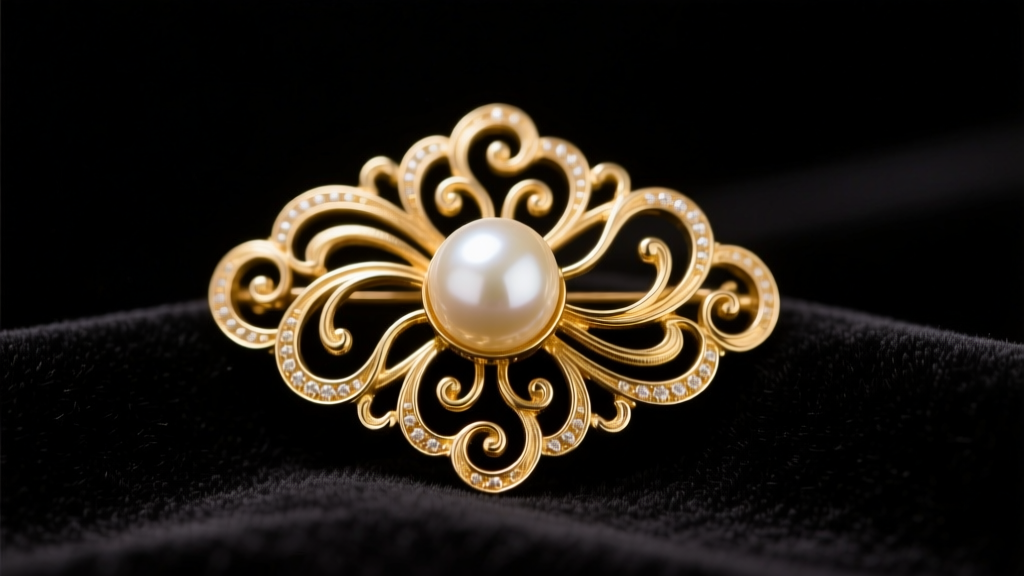
When evaluating van dell vintage jewelry, collectors must look beyond the surface aesthetics to understand the brand's unique position in mid-century American manufacturing. Operating primarily from the 1940s through the 1970s, the Van Dell Jewelry Company carved out a highly specific niche: the "semi-fine" or "better costume" category. Unlike pure costume jewelers who relied on base metals and heavy electroplating, Van Dell specialized in gold-filled alloys and sterling silver, bridging the gap between disposable fashion jewelry and heirloom fine jewelry.
For the modern vintage archivist, Van Dell pieces offer a masterclass in mid-century metallurgy and lapidary work. The brand's commitment to durable construction means that many of their bracelets, brooches, and necklaces have survived decades of wear with their structural integrity intact. However, accurately dating, authenticating, and valuing these pieces requires a granular understanding of their material specifications, hallmark evolution, and the specific failure modes associated with their manufacturing techniques.
Technical Breakdown: Metallurgy and Material Specifications
Gold-Filled vs. Gold Plated Standards
The cornerstone of Van Dell’s mid-century catalog was their gold-filled (GF) inventory. It is critical for collectors to distinguish between gold-filled and gold-plated (GP) pieces, as the valuation differential is significant. According to the Federal Trade Commission Jewelry Guides, a gold-filled item must contain a gold layer that constitutes at least 1/20th (5%) of the total metal weight of the piece. Van Dell strictly adhered to this standard, typically stamping their work with "1/20 12K GF" or "1/20 14K GF".
Technically, Van Dell’s gold-filled items were created through mechanical bonding. A sheet of 12-karat or 14-karat gold was heat-fused and pressure-rolled onto a brass or jeweler's bronze core. This resulted in a gold layer that is exponentially thicker than the microscopic layer achieved through electroplating. As a result, Van Dell gold-filled pieces resist the rapid wear-through that plagues standard costume jewelry, though they are not immune to abrasive degradation over 70 years of friction.
Rhinestone Foiling and Aurora Borealis Integration
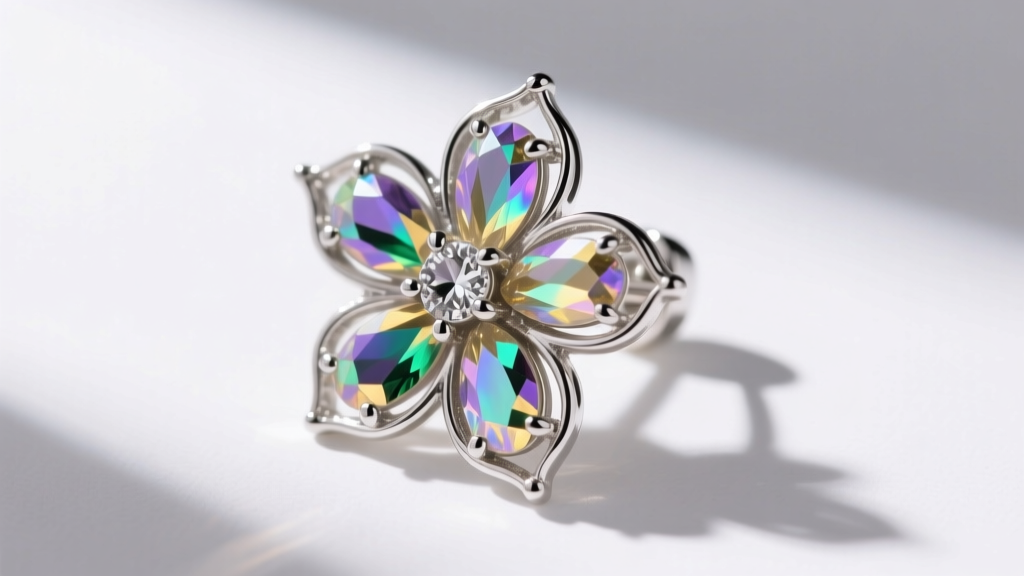
Van Dell frequently incorporated glass rhinestones and faux pearls into their metalwork. A critical dating metric for these pieces relies on the introduction of the Aurora Borealis (AB) coating. Developed by Swarovski in collaboration with Christian Dior and introduced to the broader market in 1955, the AB effect is achieved through chemical vapor deposition of a microscopically thin metallic layer onto the glass. If a Van Dell brooch or earring features AB rhinestones, it can be definitively dated to 1955 or later. Earlier pieces (1940s to early 1950s) will feature uncoated, foil-backed glass stones in colors like sapphire, ruby, and crystal.
Decoding Van Dell Hallmarks and Maker Stamps
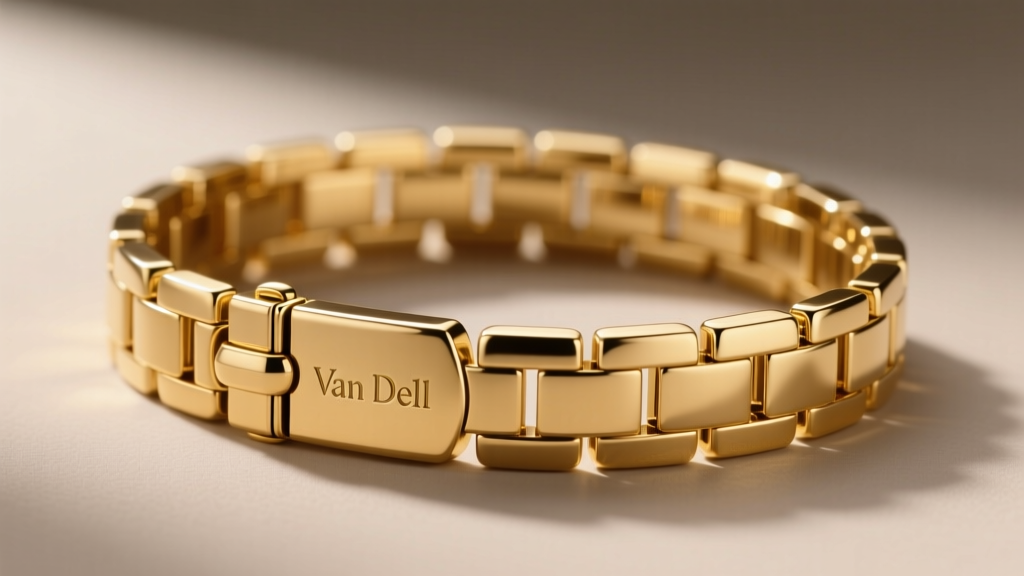
Hallmark analysis is the most reliable method for authenticating Van Dell vintage jewelry. The company utilized several distinct stamps throughout its operational history. Because the gold-filled layer can wear away on high-friction areas like bracelet clasps, collectors should always inspect the reverse of the piece, the interior of rings, or the back of brooch pins where the stamp is protected.
| Hallmark / Stamp | Material Composition | Estimated Era | Collector Notes |
|---|---|---|---|
| Van Dell 1/20 12K GF | 5% 12K Gold over Brass | 1940s - 1960s | Most common; highly durable; warm yellow hue. |
| Van Dell 1/20 14K GF | 5% 14K Gold over Brass | 1950s - 1970s | Slightly richer color; often found on later, heavier pieces. |
| Van Dell Sterling | 92.5% Silver | 1940s - 1960s | Rarer than GF; often features intricate repoussé or filigree. |
| Van Dell (No Metal Mark) | Base Metal / Plated | 1960s - 1970s | Lower-tier production; lower secondary market value. |
Valuation Matrix: Market Pricing and Rarity Tiers
In the 2026 vintage market, Van Dell jewelry is highly sought after by collectors of mid-century semi-fine accessories. Pricing is dictated by material grade, complexity of the metalwork (such as hand-applied filigree or repoussé), and the condition of the original stones. Below is the current valuation framework for authenticated pieces:
- Tier 1: Standard Gold-Filled ($45 - $85) Includes simple link bracelets, basic floral brooches, and stud earrings in 1/20 12K GF with minor wear or missing foil backing on stones.
- Tier 2: Complex & AB Pieces ($90 - $160) Includes intricate filigree brooches, multi-strand necklaces, and pieces featuring intact Aurora Borealis rhinestones or high-quality simulated pearls.
- Tier 3: Sterling & Rare Formats ($180 - $350+) Reserved for fully stamped Van Dell Sterling pieces, heavy repoussé cuffs, and complete parures (matching sets of necklace, bracelet, and earrings) in pristine condition.
Authentication Troubleshooting and Conservation Protocols
Identifying Plate-Wear and Core Exposure
A common failure mode in vintage gold-filled jewelry is "brass bleed," which occurs when the outer gold layer is compromised, exposing the copper-zinc core to oxygen and skin acids. This results in a dark, brassy, or greenish discoloration. When inspecting a potential Van Dell purchase, run your fingernail gently over the edges of the filigree wire and the clasp mechanisms. If you feel a distinct ridge or notice a stark color contrast, the piece has experienced mechanical wear-through. While this impacts the monetary value, it does not necessarily ruin the structural integrity of the piece.
Clasp Mechanics as Dating Tools
Hardware evolution provides secondary dating evidence. Early 1940s Van Dell brooches often feature the "trombone" clasp or a simple C-clasp without a safety catch. By the 1950s, the brand transitioned to rolling safety catches and furled hinges. On bracelets and necklaces, early pieces utilized simple spring rings or barrel clasps, while later 1960s models frequently incorporated fold-over safety clasps with secondary figure-8 safety wires. Consulting the Vintage Fashion Guild hardware archives can help cross-reference these clasp types with the stamped hallmarks.
Conservation: What to Avoid
Never use ultrasonic cleaners or thiourea-based chemical dips (such as Tarn-X) on Van Dell gold-filled or rhinestone jewelry. Ultrasonic vibrations will shatter the adhesive holding the foil-backed rhinestones, causing them to drop out or turn black as the moisture ruins the silver foil backing. Chemical dips will strip the microscopic gold layer from gold-filled pieces and destroy the Aurora Borealis vapor coating. Instead, clean these pieces using a mild, phosphate-free dish soap, lukewarm water, and a micro-soft brush, drying immediately with a lint-free cloth.
Final Thoughts for the Serious Collector
Van Dell vintage jewelry represents a fascinating intersection of mid-century American manufacturing prowess and accessible luxury. By focusing on the technical realities of their gold-filled bonding processes, the chronological markers of their rhinestone integration, and the specific nuances of their hallmark stamps, collectors can build highly valuable, historically significant archives. Whether you are acquiring a 1950s sterling repoussé cuff or a delicate 12K GF filigree brooch, understanding the metallurgy beneath the surface is the key to mastering this unique category of vintage adornment.


