How to Authenticate and Repair Vintage Barse Jewelry
Learn how to authenticate, clean, and repair vintage Barse jewelry. Troubleshoot tarnished vermeil, missing turquoise stones, and broken clasps.

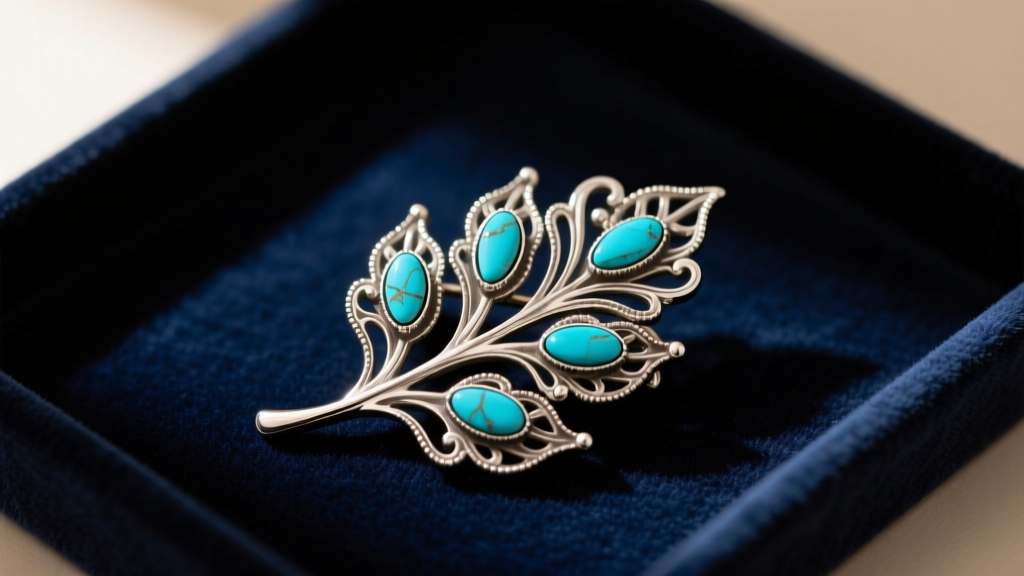
The mid-century American jewelry market was defined by bold textures, vibrant cabochon gemstones, and innovative metalwork. Among the most sought-after makers from this era is the Barse Manufacturing Company. Founded by Louis Barse Jr. in New York, the company produced highly collectible sterling silver and gold vermeil pieces throughout the 1940s, 50s, and 60s. Today, collectors and estate buyers frequently hunt for vintage Barse jewelry, but acquiring these pieces comes with a unique set of metallurgical and structural challenges.
Because Barse specialized in mixed media—pairing porous semi-precious stones like turquoise and coral with sterling silver bases and heavy gold vermeil plating—improper cleaning or amateur repairs can permanently destroy both the historical integrity and the financial value of the piece. Whether you are dealing with a snapped brooch pin, a missing cabochon, or severe vermeil tarnish, this troubleshooting guide provides the exact diagnostic steps and repair protocols required to restore vintage Barse jewelry safely.
Decoding the Barse Hallmark: Real vs. Fake
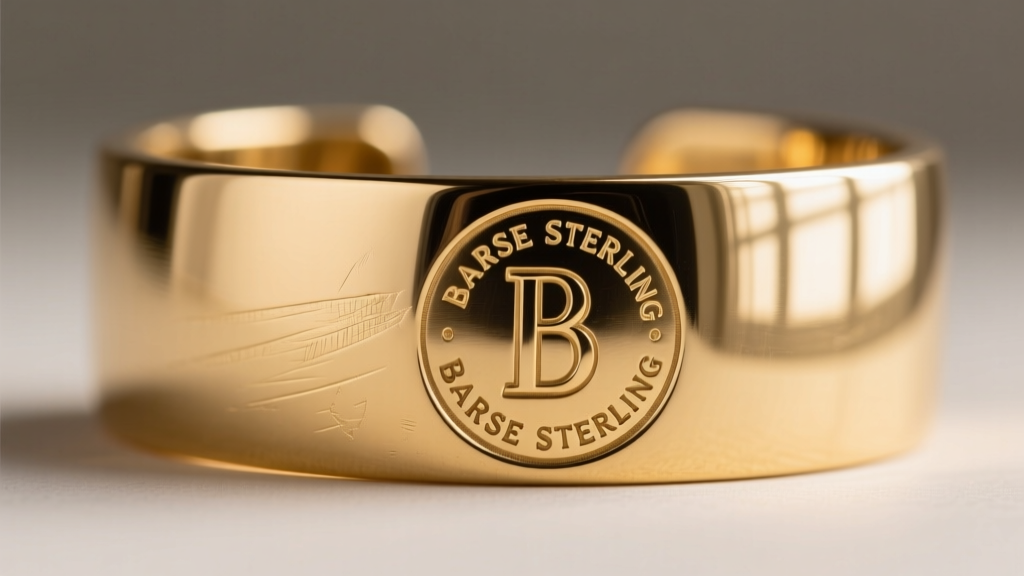
Before attempting any restoration, you must authenticate the piece. The secondary market is currently flooded with contemporary cast replicas bearing fake Barse stamps. Authentic vintage Barse jewelry was typically die-struck or carefully cast with thick, substantial metal walls. Replicas often feel lightweight and feature shallow, poorly defined hallmarks.
According to the Lang Antiques Antique Jewelry University, mid-century American hallmarks were typically struck with heavy steel punches, leaving deep, crisp impressions. When evaluating a potential Barse piece, use a 10x jeweler's loupe to examine the stamp's edges. Authentic stamps will show slight displacement of the surrounding silver, whereas fake laser-etched or modern cast stamps will sit flat or show microscopic pitting.
| Feature | Authentic Vintage Barse | Modern Replica / Fake |
|---|---|---|
| Stamp Depth | Deeply struck; metal displacement visible at 10x mag | Shallow, surface-level, or laser-etched |
| Font Style | Crisp serifs, consistent kerning, period-accurate type | Pixelated edges, modern sans-serif, or blurred casting |
| Metal Weight | Heavy, substantial gauge (often 1.5mm - 2.5mm thick) | Thin, lightweight, hollow-feeling castings |
| Common Markings | "Barse", "Barse Sterling", "Barse 925" | "Barse" with incorrect purity marks (e.g., "925 Barse China") |
The Vermeil Tarnish Paradox: Why Gold Turns Black
One of the most frequent complaints regarding vintage Barse jewelry is the appearance of dark, bruised-looking patches on gold vermeil surfaces. Many owners mistakenly believe the gold is "fading." In reality, this is a subsurface chemical reaction. Barse utilized heavy gold electroplating (often exceeding the modern FTC minimum of 2.5 microns) over a sterling silver (925) base.
Sterling silver contains 7.5% copper to provide structural hardness. Over decades, atmospheric hydrogen sulfide reacts with this copper, forming copper sulfide. This dark tarnish migrates through microscopic pores in the gold plating, creating dark shadows beneath the vermeil surface.
Troubleshooting Vermeil Tarnish Safely
- NEVER use silver dip or thiourea-based liquid cleaners: These harsh acids will instantly strip the gold vermeil layer, leaving you with a bare, heavily tarnished silver piece.
- Avoid ultrasonic cleaners: The high-frequency cavitation can cause micro-flaking in 60-year-old electroplated gold layers.
- The Safe Cleaning Protocol: Create a bath of warm distilled water and a few drops of pH-neutral dish soap. Submerge the piece for exactly 3 minutes. Gently agitate with a soft-bristled baby toothbrush. Dry immediately with a microfiber cloth, pressing—never rubbing—to absorb moisture from the crevices.
Cabochon Stone Loss and Bezel Fatigue
Barse is celebrated for its use of vibrant, domestically sourced cabochon stones, particularly Sleeping Beauty turquoise, coral, and lapis lazuli. Unlike modern jewelry that relies heavily on prong settings or epoxy adhesives, vintage Barse primarily utilized bezel settings. A thin wall of sterling silver is pushed over the girdle of the cabochon to secure it.
Because turquoise ranks only 5 to 6 on the Mohs hardness scale (as noted by the Gemological Institute of America), it is highly susceptible to chipping if the bezel wall is tightened improperly. Furthermore, decades of thermal expansion and contraction cause the silver bezel walls to work-harden and fatigue, eventually pulling away from the stone and allowing it to fall out.
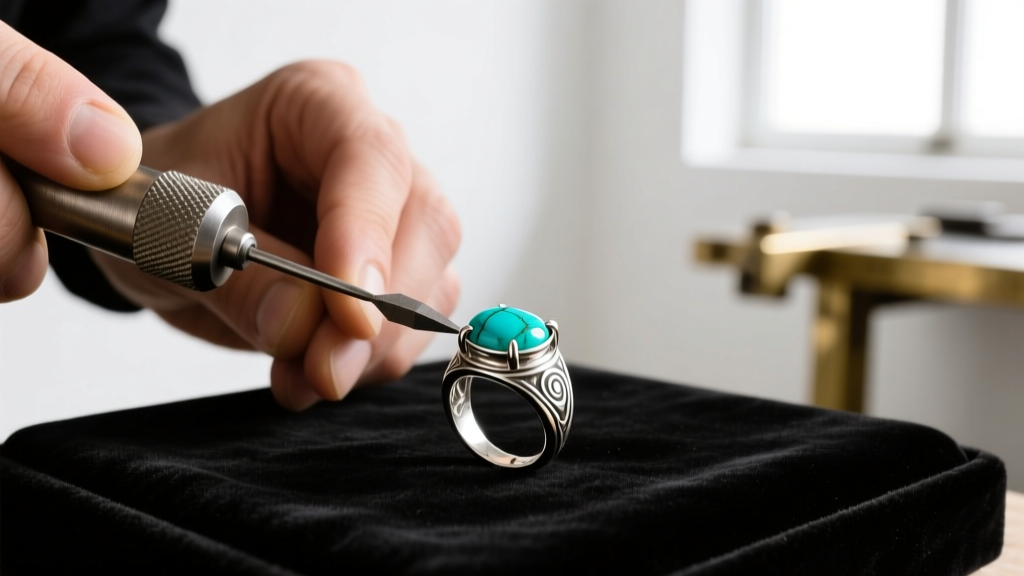
How to Reset a Loose Barse Cabochon
If you find a loose turquoise or coral stone in a Barse setting, do not attempt to glue it back in place. Cyanoacrylate (Super Glue) will seep into the porous matrix of natural turquoise, permanently staining it and destroying its gemological value.
- Inspect the Backing: Vintage Barse jewelers often placed a small piece of felt, sawdust, or leather behind the cabochon to provide a cushion and elevate the stone. If this backing has disintegrated, replace it with archival-quality jeweler's felt before resetting.
- Anneal the Bezel (If Necessary): If the silver bezel wall is work-hardened and brittle, a master jeweler must carefully anneal it using a micro-torch to soften the metal. This requires extreme precision to avoid melting the gold vermeil on the rest of the ring.
- Use the Correct Tools: Use a polished steel bezel roller (1.5mm to 2mm face) to gently push the silver wall down over the stone's edge. Apply pressure to the metal, not the stone. Finish by burnishing the edge flush against the gemstone using a polished agate burnisher.
Clasp and Pin Stem Mechanism Failures
Brooches and clip-back earrings make up a massive portion of Barse's mid-century catalog. A common structural failure in these pieces is the snapping of the pin stem at the hinge joint. Barse typically used stainless steel or nickel-silver pin stems attached to a sterling silver base. Because these two metals have vastly different melting points and galvanic properties, the joint is prone to stress fractures over time.
Soldering Protocol for Broken Pin Stems
Repairing a broken Barse brooch hinge requires silver soldering, never soft lead-based solder. Soft solder will contaminate the sterling silver, making future repairs impossible and drastically reducing the piece's value.
- Firescale Prevention: When heating sterling silver (925), the copper in the alloy oxidizes, forming a dark purple/black scale known as firescale. To prevent this from ruining the surrounding vermeil, apply a boric acid and denatured alcohol flux paste to the entire piece before heating. This creates a temporary glass-like barrier that blocks oxygen.
- Solder Selection: Use Medium or Hard silver solder (flowing between 1,325°F and 1,425°F). Avoid Easy solder, as it contains higher zinc content and creates a visible, brittle joint that will fail again under the mechanical stress of a brooch pin.
- Pickling: After soldering, quench the piece in a warm sodium bisulfate pickle solution to dissolve oxidation. Do not use steel tongs in the pickle, as this will plate copper onto the sterling silver via galvanic reaction. Always use copper or plastic tongs.
Valuation and Sourcing Replacement Parts
When restoring vintage Barse jewelry, maintaining originality is paramount to preserving its market value. A fully original Barse turquoise and vermeil brooch in excellent condition can fetch between $150 and $450 on the collector's market, depending on the complexity of the motif and the quality of the stones. However, a piece with visible modern soft-solder repairs or chemically stripped vermeil will lose up to 60% of its resale value.
If you must replace a missing clasp or pin stem assembly, source "vintage-style" findings that match the era's mechanical profiles. For example, Barse heavily utilized the "rollover safety catch" introduced in the late 1920s. Replacing this with a modern, low-profile locking clutch will immediately signal to knowledgeable collectors that the piece has been heavily altered.
Troubleshooting vintage Barse jewelry requires a delicate balance of metallurgical science, historical empathy, and mechanical precision. By respecting the original manufacturing techniques and avoiding the shortcuts of modern mass-market jewelry repair, collectors can ensure these striking mid-century artifacts survive for another generation of wearers.


