Where to Sell Vintage Jewelry: Cleaning & Prep Guide
Discover where to sell vintage jewelry and how to properly clean, maintain, and prep antique pieces to maximize your resale value and avoid damage.

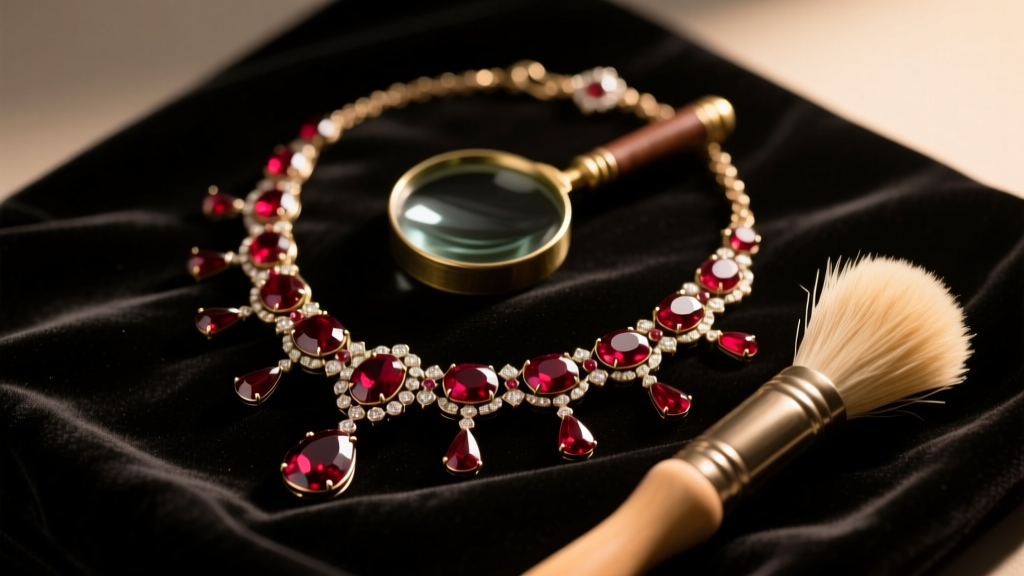
When deciding where to sell vintage jewelry, the condition and presentation of your pieces are just as critical as the venue you choose. In the 2026 antique jewelry market, buyers and appraisers are highly sensitive to improper cleaning. A well-intentioned but misguided polish can strip away a century of history, destroying patina and reducing a piece's value by 20% to 40%. Whether you are liquidating an inherited estate or flipping finds from auctions, understanding the intersection of gemological care and market placement is essential for maximizing your return.
The Golden Rule of Vintage Prep: Patina vs. Polish
Before you even research where to sell vintage jewelry, you must understand the concept of patina. Patina is the natural oxidation and micro-scratching that occurs on metals like silver, gold, and platinum over decades of wear. According to the Victoria and Albert Museum (V&A), the dark contrast that builds up in the crevices of engraved or filigree metalwork is highly prized by collectors. It provides visual depth and proves the item's age.
Polishing an Edwardian platinum brooch or a Victorian silver locket to a mirror shine is one of the most common mistakes amateur sellers make. By using abrasive pastes or chemical dips, you erase the dark oxidation from the engraved grooves, leaving the piece looking flat, harsh, and artificially restored. High-end auction houses will immediately note 'harshly polished' in their condition reports, which signals to serious buyers that the piece has been compromised.
Era-Specific Cleaning Protocols Before Appraisal
Different eras utilized vastly different metallurgical techniques and gemstone settings. Your cleaning protocol must be tailored to the specific decade of manufacture.
Georgian and Early Victorian (1714 to 1860): The Foil-Back Danger
Jewelry from the Georgian and early Victorian eras frequently features foil-backed gemstones, such as rose-cut diamonds, garnets, and topaz. Jewelers of this period placed a thin layer of silver or gold foil behind the stone to reflect light and enhance color. Never submerge foil-backed jewelry in water or use liquid cleaners. If moisture seeps through the collet setting, the foil will instantly oxidize, turn black, and ruin the stone's brilliance. Use only a dry, soft goat-hair brush to gently dust the surface.
Late Victorian and Edwardian (1861 to 1915): Intricate Filigree
The introduction of platinum allowed for incredibly fine, lace-like filigree and millegrain detailing. Dirt and skin oils easily become trapped in these microscopic wirework structures. To clean these pieces safely, use a few drops of pH-neutral dish soap in distilled water (tap water contains chlorine and minerals that can leave microscopic deposits). Gently agitate the dirt using a sharpened bamboo skewer or a wooden toothpick. Never use metal dental picks or stiff bristles, as platinum, while durable, can still accumulate micro-scratches that dull its luster.
Art Deco (1920 to 1935): Enamel and Carved Gemstones
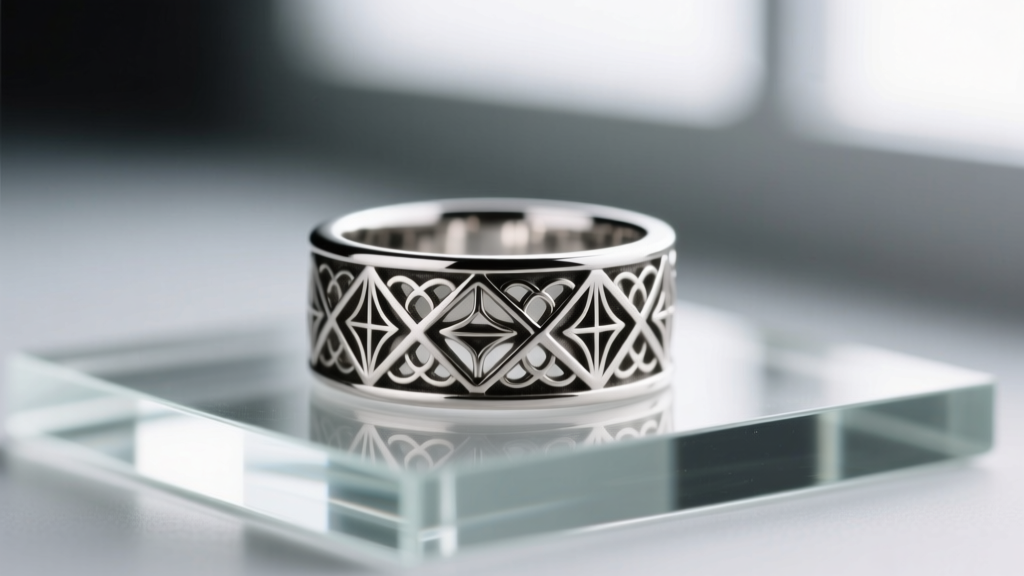
Art Deco jewelry is famous for its bold geometric contrasts, often utilizing black onyx, carved coral, jade, and intricate guilloché or champlevé enamel. Ultrasonic cleaners are strictly forbidden for Art Deco pieces. The high-frequency vibrations can easily shatter brittle enamel or cause internal fracturing in porous stones like coral and emeralds. Furthermore, many antique emeralds are fracture-filled with natural cedar oil; the heat and cavitation of an ultrasonic bath will dissolve this oil, leaving the stone cloudy and heavily included. Clean these pieces only with a barely damp microfiber cloth.
Critical Mistakes That Tank Resale Value
If you are preparing an estate for sale, avoid these catastrophic cleaning errors that will immediately lower your appraisal value:
- Using Thiourea-Based Silver Dips: Commercial liquid silver cleaners strip the micro-porous surface layer of the silver. While they remove tarnish instantly, they leave the metal with a flat, dead-white, matte finish that cannot be reversed without professional burnishing.
- Ammonia on Porous Stones: Never use ammonia-based window cleaners or jewelry solutions on turquoise, lapis lazuli, malachite, or pearls. Ammonia will strip the natural waxes and oils, causing the stones to crack, fade, or lose their orient.
- Over-brushing Gold Alloys: Mid-century Retro jewelry often features highly polished, curved 14k or 18k gold. Using stiff nylon brushes will leave hundreds of microscopic directional scratches that catch the light poorly, making the gold look dull and worn rather than bright and reflective.
Where to Sell Vintage Jewelry: Matching Condition to Venue
Once your pieces are properly stabilized and gently cleaned, you must choose the right sales channel. The Heritage Auctions consignment guidelines note that different venues cater to entirely different buyer psychologies. A piece that is heavily damaged might sell for scrap at a local buyer, but could be purchased for restoration by a specialist dealer online.
| Sales Venue | Ideal Jewelry Type | Required Prep & Condition | Estimated Fees / Take-Home |
|---|---|---|---|
| High-End Auction Houses | Rare Art Deco, signed pieces (Cartier, Tiffany), high-carat Georgian. | Pristine patina, absolutely no DIY repairs, original boxes preferred. | 15% to 25% seller's commission; highest ceiling for rare items. |
| Specialized Online Dealers | Edwardian engagement rings, Victorian lockets, mid-century designer gold. | Professionally cleaned, high-resolution macro photography required. | Wholesale offers (40-60% of retail) or 20% consignment fee. |
| Direct-to-Consumer (Etsy/eBay) | Lower-carat gold, silver costume jewelry, accessible vintage finds. | Visually appealing, safe for light DIY cleaning, detailed measurements. | 10% to 15% platform fees; requires heavy marketing and shipping effort. |
| Local Estate / Coin Buyers | Damaged pieces, broken chains, heavily worn unbranded mid-century gold. | Condition irrelevant; sold primarily for melt value or scrap. | Paid based on daily spot metal weight; lowest return but instant cash. |
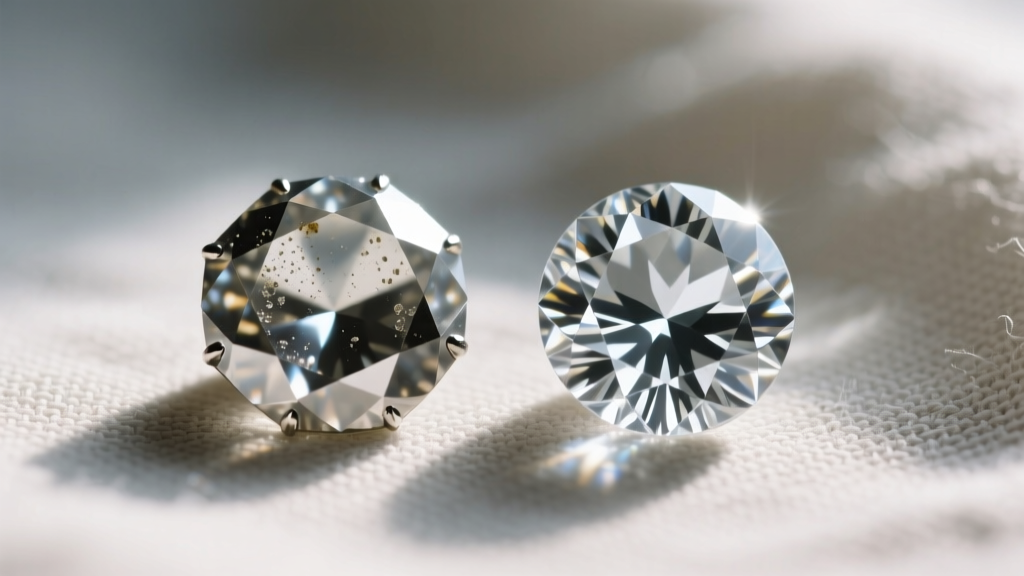
According to the Gemological Institute of America (GIA), providing accurate gemological data is paramount when selling online or at auction. If you are selling a sapphire ring, knowing whether it is natural, synthetic, or heat-treated will dictate whether you list it on a platform like 1stDibs or send it to a specialized gemological auction.
Final Documentation and Handoff
Before handing over your vintage jewelry to a buyer or auction house, document everything. Take 10x macro photographs of the hallmarks, maker's marks, and any internal engravings. If a piece has a known provenance—such as a receipt from a 1920s Parisian jeweler or a family letter referencing the item—include it in a physical dossier. Provenance can increase the final hammer price at auction by up to 30%.
Store the cleaned jewelry in acid-free tissue paper or unbleached cotton pouches. Avoid standard plastic ziplock bags, as the PVC and sulfur compounds in certain plastics can trigger rapid re-tarnishing of silver and copper alloys. By respecting the historical integrity of the materials and matching the piece to the correct buyer demographic, you ensure that your vintage jewelry achieves the premium valuation it deserves in today's market.


