Estate Troubleshooting: The Estate Watch & Jewelry Company Scottsdale AZ
Learn how to troubleshoot vintage watch and jewelry defects caused by arid climates, featuring insights from top Scottsdale estate appraisers.

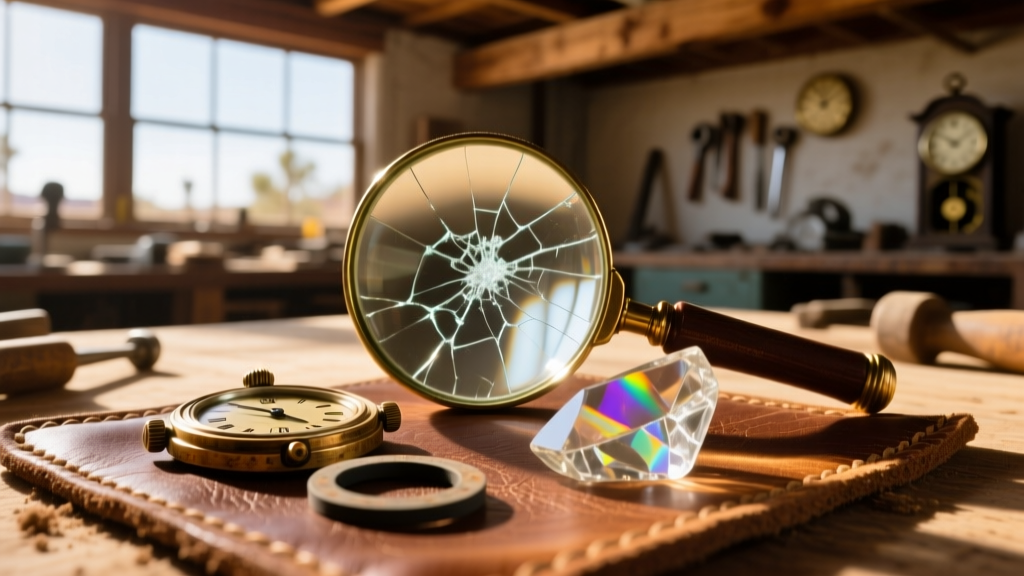
Inheriting or acquiring vintage jewelry and antique timepieces is a thrilling pursuit, but preserving these artifacts requires a deep understanding of environmental stressors. While many collectors focus on mechanical wear or gemstone clarity, geographic location plays a silent, destructive role in estate preservation. Nowhere is this more evident than in the American Southwest. The arid, high-heat environment introduces unique failure modes that standard horological and gemological guides often overlook. When troubleshooting high-end estate finds in this region, understanding these micro-climatic impacts is the difference between a lucrative appraisal and a catastrophic restoration bill.
The Desert Climate Factor: Unique Troubleshooting for Southwest Estate Finds
Scottsdale and the broader Sonoran Desert region experience extreme temperature fluctuations and chronically low humidity. Average relative humidity frequently drops below 20% in the summer and winter months, while ambient temperatures can swing from 40°F at night to over 110°F during the day. For mid-century vintage watches (circa 1950s–1980s) and organic or porous gemstones, this environment accelerates material degradation at an alarming rate.
Vintage watch cases rely on gaskets to maintain water resistance and keep dust out of the movement. Historically, these were made from Buna-N (nitrile) rubber. In high-humidity environments, these gaskets might last a decade before turning brittle. In the desert, the lack of ambient moisture causes the volatile compounds in the rubber to off-gas rapidly, turning a supple seal into a hardened, cracked ring of plastic in as little as three years. This allows microscopic desert silt—highly abrasive quartz dust—to infiltrate the movement, scoring the brass gears and steel pinions of calibers like the Rolex 1570 or Omega 562.
Common Vintage Watch Failures in Arid Environments
When evaluating an estate watch that has been stored in a Scottsdale home or safety deposit box for decades, standard troubleshooting protocols must be adjusted. Below is a diagnostic framework for identifying desert-specific horological failures in 2026.
| Component | Desert Failure Mode | Troubleshooting Step | Est. Repair Cost (2026) |
|---|---|---|---|
| Nitrile Case Gaskets | Desiccation and micro-fracturing due to sub-20% humidity. | Visual inspection under 10x loupe; perform vacuum pressure test. | $150 - $350 |
| Acrylic Crystals (Hesalite) | UV yellowing and edge warping from extreme window-sill heat exposure. | Check for tension ring separation; test for crystal compression against the caseback. | $120 - $250 |
| Mainspring & Lubricants | Synthetic oils evaporate or separate; mainspring sets due to dry friction. | Check amplitude on a timing machine; listen for dry 'grinding' in the barrel. | $450 - $850 |
| Dial Patina / Tritium | UV exposure causes tropical dials to degrade into powdery, unstable surfaces. | Avoid ultrasonic cleaning; use soft air duster to check for flaking. | Irreversible (Value Loss) |
According to the American Watchmakers-Clockmakers Institute (AWCI), proper lubrication requires specific synthetic oils that resist evaporation, but vintage movements originally serviced with natural oils will suffer severe capillary action failure in dry heat, leading to rapid pivot wear.
Authenticating Estate Jewelry: Patina vs. Environmental Damage
Troubleshooting estate jewelry requires a different lens. The Southwest has a rich history of Native American and Mexican silverwork, often featuring turquoise, coral, and opals. Furthermore, high-society estate collections frequently include Edwardian platinum and 18k gold pieces that react poorly to extreme thermal cycling.
The Crazing of Porous Gemstones
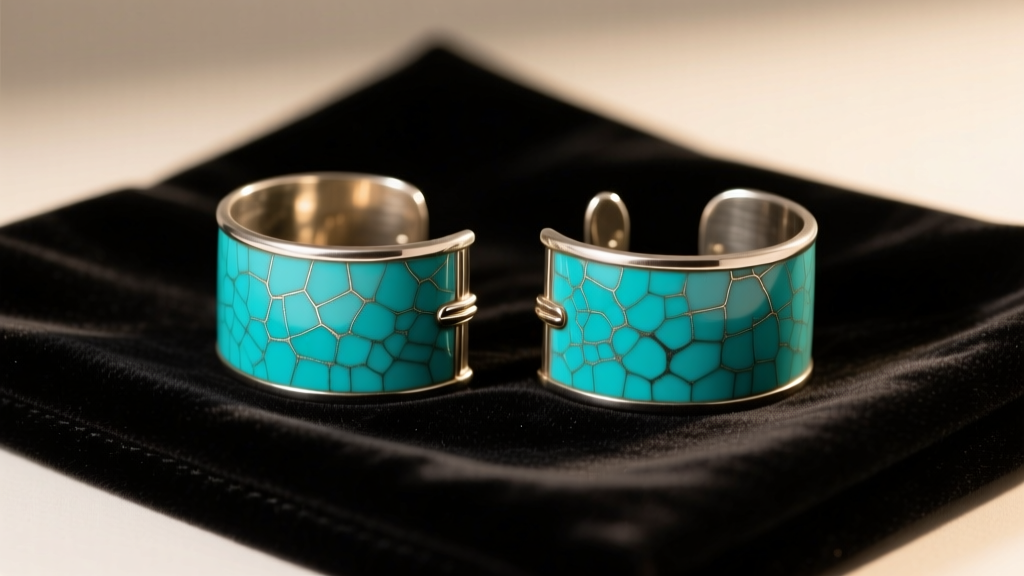
Turquoise and opals contain structural water. When subjected to the relentless dry heat of Arizona, this water slowly evaporates, leading to a phenomenon known as 'crazing'—a network of fine, microscopic cracks that destroy the stone's structural integrity and optical brilliance. According to GIA's guidelines on turquoise care, prolonged exposure to dry environments and heat can cause irreversible delamination in untreated or lightly stabilized stones. When troubleshooting an estate piece featuring these gems, look for a dull, chalky texture around the edges of the bezel. If the stone feels warm to the touch and exhibits a web-like fracture pattern, it has suffered environmental desiccation, significantly lowering its appraisal value.
Thermal Stress on Prongs and Alloys
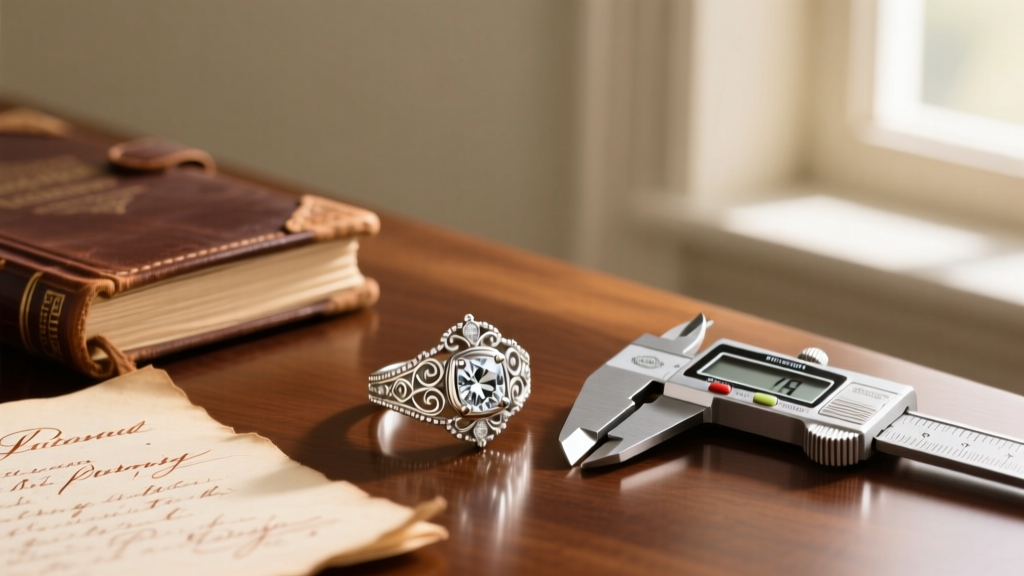
While platinum (typically 900/100 or 950/50 purity in vintage pieces) is highly durable, the extreme temperature swings of the desert cause continuous expansion and contraction of the metal. Over 50 years, this thermal cycling can fatigue the crystalline structure of 18k yellow gold prongs, leading to stress fractures at the base of the setting. When inspecting an inherited Art Deco diamond ring, do not just check for bent prongs; use a loupe to inspect the base of the prong for micro-fissures that indicate metal fatigue. A simple snag test on a silk cloth is insufficient for desert-stored estate jewelry.
Why Provenance Matters: The Role of The Estate Watch & Jewelry Company Scottsdale AZ
Troubleshooting is only half the battle; establishing provenance and securing an accurate valuation is the ultimate goal. This is precisely why establishing a relationship with a specialized local authority like the estate watch & jewelry company scottsdale az is critical for regional collectors and inheritors. Generalist pawn shops or national mail-in appraisal services lack the contextual understanding of how local environmental factors have impacted the specific pieces they are evaluating.
A specialized regional firm understands that a vintage Rolex Submariner stored in a Scottsdale attic requires a completely different restoration protocol than one stored in a Miami vault. They possess the archival access to trace regional sales records from the 1960s and 1970s, often matching serial numbers to original local jewelers who serviced the pieces decades ago. This localized provenance can add a 10% to 15% premium to the final valuation, transforming a damaged estate find into a documented historical artifact.
A Troubleshooting Checklist Before You Appraise or Sell
Before taking your vintage finds to an appraiser, run through this specialized desert-climate checklist to avoid accidental damage and ensure you are asking the right questions:
- Do Not Ultrasonicate: Never place inherited turquoise, opals, or emeralds in an ultrasonic cleaner. The high-frequency vibrations combined with existing micro-crazing will shatter the stones instantly.
- Check the Crystal Seal: For vintage watches, gently press the edge of the acrylic crystal. If it feels loose or you hear a faint 'click', the compression seal has failed due to heat warping. Do not wind the watch, as dust is likely already inside.
- Inspect for 'Desert Rot' on Leather: Vintage watch straps and original jewelry boxes stored in dry environments will have desiccated leather. Do not attempt to condition original, historically significant leather dials or straps with modern oils, as this will darken and ruin the patina.
- Verify the Hallmarks with a Caliper: Use digital calipers to measure the case thickness and lug width. Many vintage pieces in the Southwest were subjected to aggressive, non-factory polishing to remove scratches, which softens the edges and destroys the original geometry, dropping the value by up to 30%.
- Document the Storage Environment: When presenting the piece to an appraiser, explicitly state where it was stored (e.g., 'kept in a cedar chest in an un-air-conditioned guest house'). This context helps the gemologist or watchmaker pinpoint the exact failure modes.
Ultimately, troubleshooting vintage and antique jewelry is an exercise in forensic science. By understanding the interplay between historical materials and the harsh realities of the desert climate, you can preserve the legacy of your estate pieces and ensure they are valued accurately in today's market.


